Portuguese
  Spanish


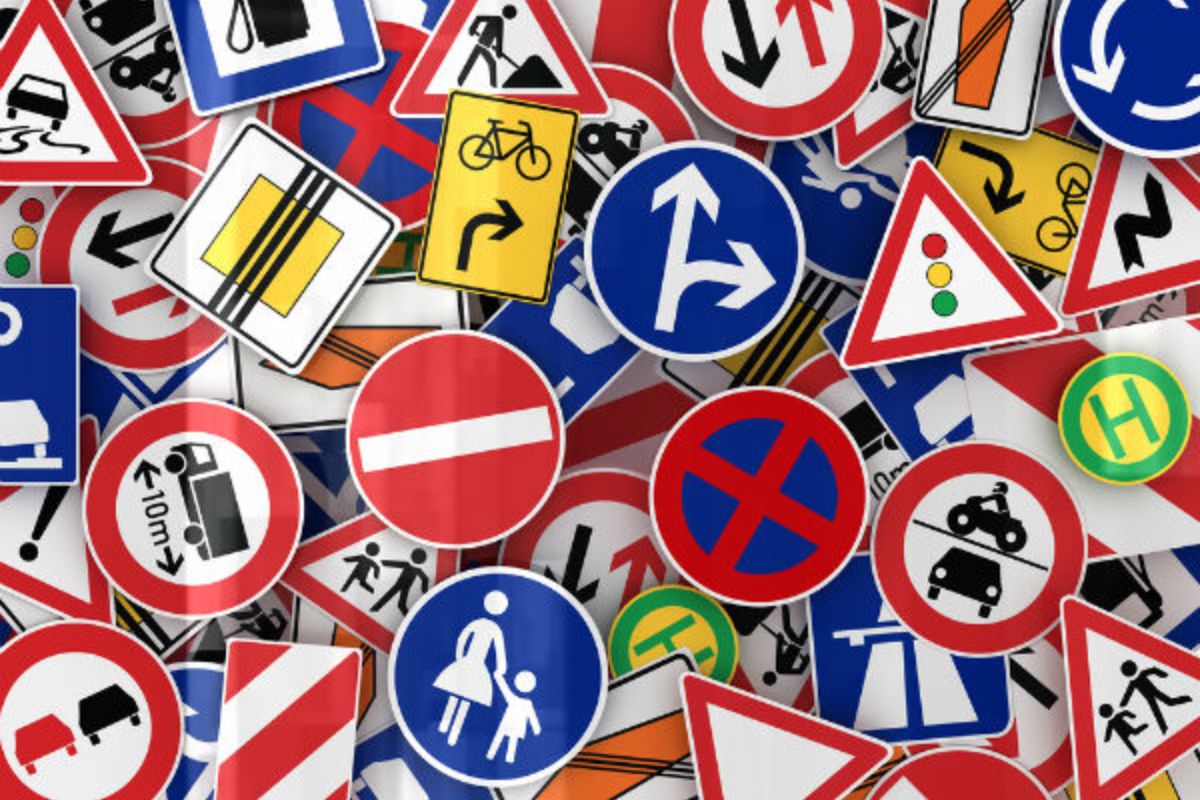


From Warnings About Moving Bridges to Hand Truck Alerts, Discover What Some of the Most Unusual Signs on Brazilian Roads Mean and Why They Are So Important.
Brazil, with its vast and diverse road network, has a series of traffic signs that may seem strange to many drivers. These uncommon traffic signs, although rare, follow official standards from the National Traffic Council (Contran) and play a crucial role in safety.
Understanding what these symbols mean is essential for safe driving, as they are installed to alert about very specific conditions of a given street or road. Knowing these signs is a way to ensure the safety of everyone, from drivers to pedestrians.
The Reason Behind Unusual Signage
The reason for having such different traffic signs is the need to adapt signage to local realities. The Brazilian road system needs to cover everything from major highways to small streets in rural or port areas, and each environment has its own characteristics and risks.
-
Driver Crosses 100-Year-Old Railway Bridge Over Uruguay River, Encounters Rural Couple Preserving Traditional Farming Methods

-
Rural Producer Returns to Brazilian Farmland, Builds Family Agricultural Business with Children’s Support and Industry Backing
-
Goiás Couple Boosts Artisan Cheese Production from 25 to 70 Kilos Daily with Technical Support, Transforming Family Life in Rural Brazil
-
13-Year-Old Discovers Ancient Roman Ring Near Mount Carmel, Now Set for Display in Jerusalem




This is why, when traveling through the country, a driver may encounter warnings they have never seen in their city. Each of these signs was created to communicate a specific danger or condition of that stretch, making traffic safer and more predictable.
The Mystery of the Hand Truck Sign (R-40)
One of the signs that generates the most curiosity is the one displaying the image of a hand truck. Identified by Contran as sign R-40, its meaning is quite straightforward: it alerts to the constant presence of workers or residents using hand trucks for the transport of cargo.
This type of warning is common in port areas, busy commercial zones with heavy loading and unloading traffic, or in residential streets where this practice is frequent. The aim is to make drivers reduce speed and stay alert to avoid accidents and atropellments.
What Does the Moving Bridge Sign Mean? (A-23)

In cities with navigable rivers or canals, especially in the South and Southeast regions, it is possible to find the moving bridge sign. This sign (A-23) warns drivers that the bridge ahead may have its structure raised or moved to allow the passage of boats and ships.
The closure of the roadway is temporary and usually signaled with lights and automatic barriers. It is essential that drivers, cyclists, and pedestrians respect the mandatory stop signal to wait for the maneuver safely, avoiding serious accidents.
The “Caution, Elderly” Warning

The caution sign for the elderly is another piece of signage of great social importance. It is installed in areas with a high circulation of elderly people, such as residential neighborhoods, near hospitals, clinics, or community centers.
The aim is to alert drivers to be extra cautious and adhere to speed limits, considering that elderly people may have reduced mobility and need more time to cross the street. The sign serves as a reminder of the right to safe mobility for all ages.
Signage That Saves Lives
In addition to those mentioned, Brazil has many other specific traffic signs, such as those that warn of wildlife crossings, indicate stretches of unpaved roads, or guide agricultural vehicle traffic. All are standardized by Contran to ensure a clear and quick communication.
Understanding the meaning of these symbols is essential for safer and more responsible driving, as they provide vital information that helps prevent accidents and promote smoother traffic for everyone.
And you, have you come across any curious traffic sign out there? Share with us in the comments!