Portuguese
  Spanish


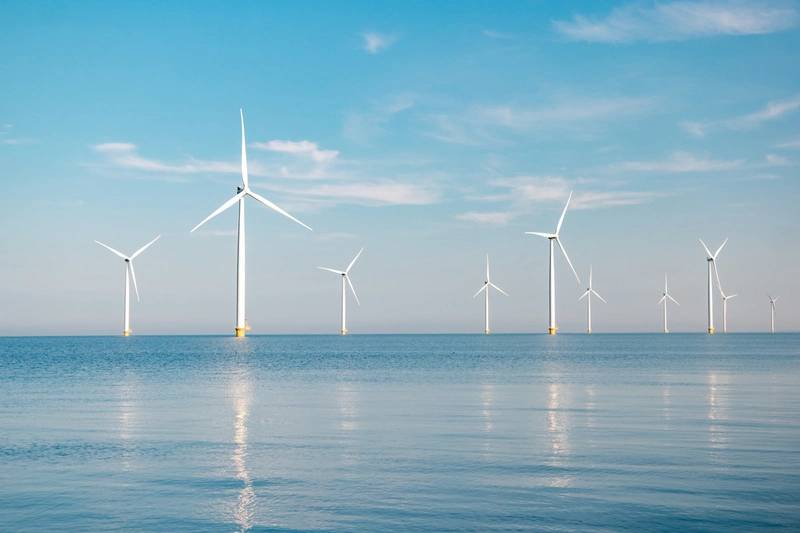

Petrobras, Shell Brazil, TotalEnergies, CNPC, CNOOC, and UFRGS Started Wind Project for Wind Assessment and Studies for Implementation of Wind Turbines.
The consortium formed by Petrobras, Shell Brazil, TotalEnergies, CNPC, and CNOOC, in partnership with the Federal University of Rio Grande do Sul (UFRGS), has begun collecting wind data for an offshore wind project in the Santos Basin, aiming for potential floating wind ventures in the Búzios and Mero fields, located on the Brazilian coast.
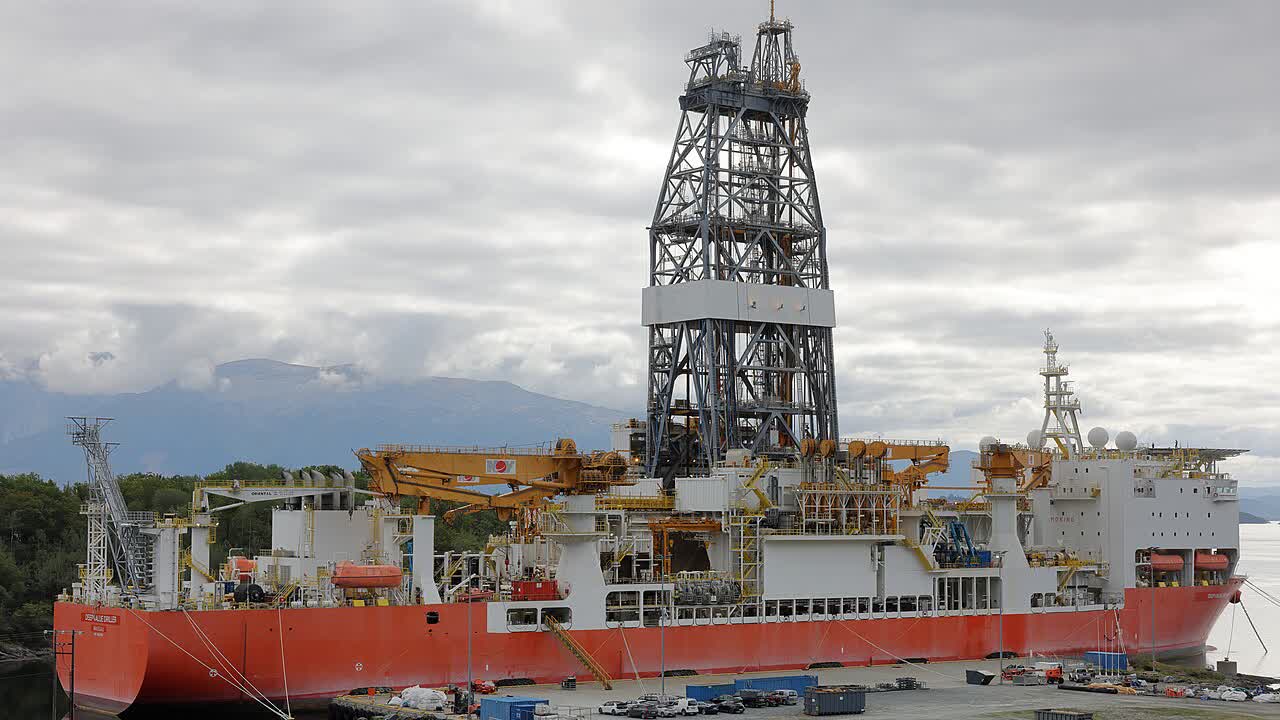
The initial data collection will start in the Búzios field, with subsequent studies in the Mero field planned for the end of 2024. The wind measurement station has been installed on the FPSO (Floating Production, Storage, and Offloading) P-75, located in the Búzios block, in the pre-salt region of the Santos Basin, thus marking the advancement of the offshore wind project in Brazil.
Wind Project: Data Collection and Assessment
The collected data will be transmitted to Petrobras’ Research, Development and Innovation Center (Cenpes) and will be assessed over a period of 3 years.
-
OPEC+ Boosts Oil Supply by 188,000 Barrels per Day in July 2026, Leading to Price Drop from $112 to $89 per Barrel in Under Two Months

-
TotalEnergies Signs 20-Year Deal to Purchase 2 Million Tons of LNG from Alaska, Boosting Project Viability
-
Turkey Deploys Çağrı Bey Drilling Ship to Explore New Oil Frontier Off Somalia’s Coast
-
Golden Pass LNG Ships First Liquefied Gas Cargo from the U.S., Completing $10 Billion QatarEnergy and ExxonMobil Investment

The goal is to gather new insights and high-quality data on wind behavior in the region to support future offshore wind projects in the pre-salt region.
The study is part of the Libra Winds Project, a US$ 1.6 million (R$ 8 million) investment aimed at developing technology for new research projects and creating methodologies for wind analysis, as well as evaluating the technical feasibility of installing wind facilities in the area.
Offshore and Floating Wind Projects
The project aims to develop scientific advancements in wind modeling, data measurement methodology, model enhancement, and reducing uncertainties and risks for the implementation of floating wind projects in ultra-deep water regions.
‘The technologies employed in this multidisciplinary project will be capable of assessing the offshore wind potential in the pre-salt region and contribute to a higher technological standard in Brazil.
Challenges and Partnerships in the Wind Project
‘Offshore wind projects represent a significant scientific and technological challenge, exacerbated by the conditions in the pre-salt region, approximately 200 km offshore, in water depths of up to 2,000 meters’, said Joelson Mendes, Exploration and Production Director at Petrobras.
‘This is yet another initiative aimed at developing knowledge and expertise in the offshore wind segment, which has great potential in Brazil. This time, it involves important partners from the pre-salt region and renowned academic institutions’, added Jean Paul Prates, president of Petrobras.
Energy Renewable Energy Industry News Offshore Wind Activity South America
‘