Portuguese
  Spanish


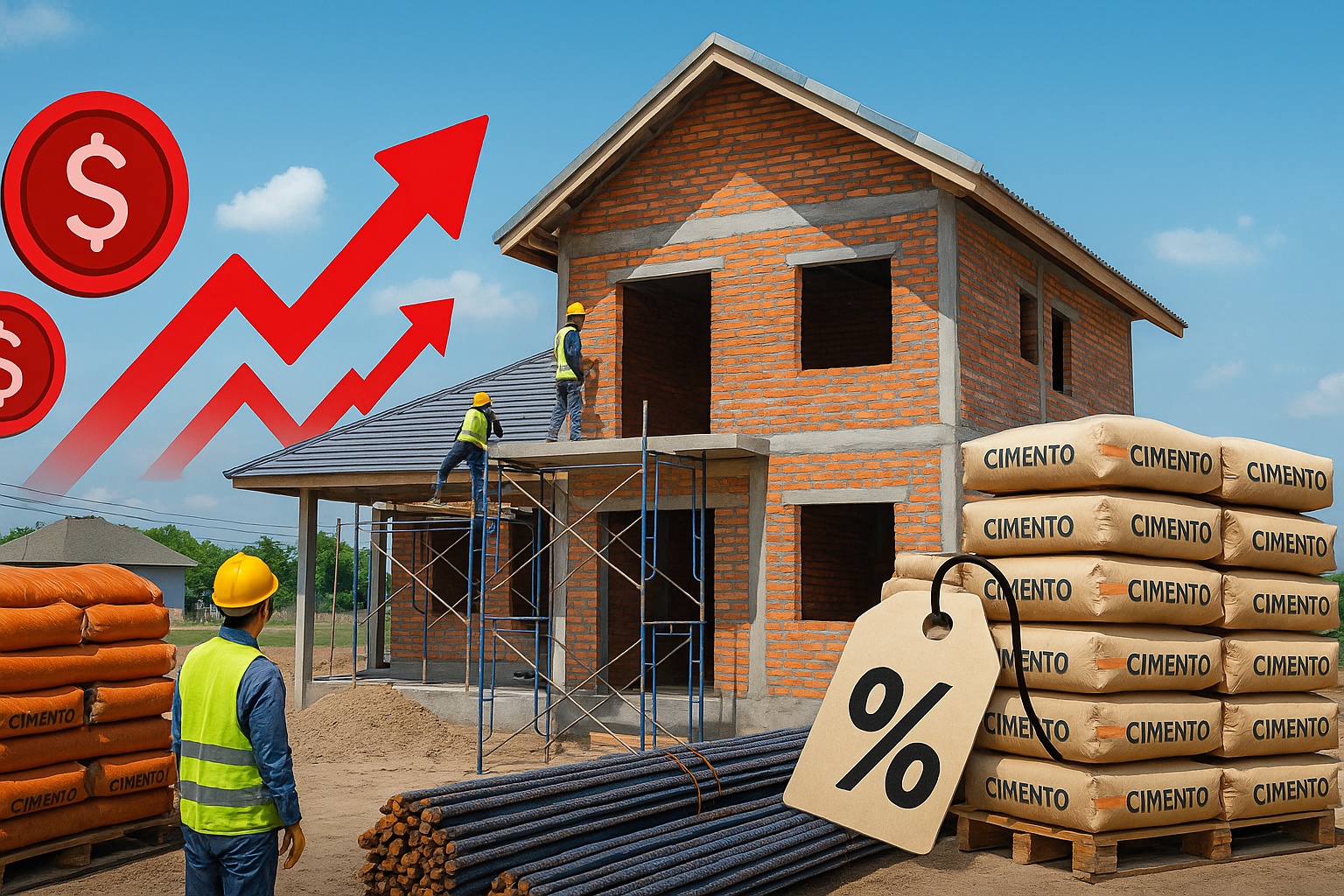

Check The Real Costs To Build A 110 M2 House In 2025 And Understand How The Rise In Materials, Labor, And Inflation Impacts Your Budget. Plan Your Construction With Safety And Economy
Building a home continues to be a goal for many Brazilians. However, in August 2025, the cost of building a 110 m2 house faced significant increases, making financial planning even more essential. The final price of a project depends not only on the square footage but also on factors such as finish quality, location, type of materials, and the country’s economic situation. In this article, you will discover how much it costs to build a house today, why prices have skyrocketed, and how to optimize the investment to maintain quality.
How Much Does It Cost To Build A 110 M2 House In 2025


The average value of a 110 m2 house in Brazil varies depending on the finishing standard and location. In August 2025, estimates indicate that:
- Economic Standard: between R$ 230 thousand and R$ 250 thousand
- Average Standard: between R$ 270 thousand and R$ 320 thousand
- High Standard: between R$ 350 thousand and R$ 450 thousand
These numbers indicate that the initial investment for building a medium-sized house can vary by more than R$ 200 thousand depending on the material choices and the region.
-
Affordable Housing Project in Brazil’s Mato Grosso Aims for 700 Deliveries and $34 Million in 2026, Outpacing Major Developers in High-Demand Areas

-
Brazil’s Largest Port to Accommodate Bigger Ships by October as Ibama Approves Non-Explosive Removal of Hidden Rocks and Sediments
-
Mexico Develops 3D-Printed Concrete from Corn Waste, Cutting Emissions by 70% and Reducing Construction Waste by 90%
-
Traditional Mortar to Decline by 2026: ACIII-E Solution for Large Porcelain Tiles Offers Better Adhesion and Reduces Risk of Loose Pieces in Floors and Facades


Moreover, costs per square meter provide a more detailed view of the necessary investment. Data from the National System of Cost and Construction Indices Research (SINAPI) indicate:
- National Average Cost: R$ 1,810/m²
- Construction Materials: R$ 1,043/m²
- Labor: R$ 767/m²
From these values, it becomes clear that labor represents about 42% of the total cost of the project, reinforcing the importance of choosing qualified and trustworthy professionals to avoid rework.
Factors That Influence The Price Of Building A House
The value of a construction goes far beyond the simple calculation of area multiplied by the cost per square meter. Among the main factors are:
Finishing Standard
The finish chosen directly impacts the final price. More sophisticated finishes, such as porcelain floors, special coatings, solid wood doors, or aluminum frames, can significantly increase costs. On the other hand, economical quality materials allow for reduced expenses without compromising safety and durability.
Location And Infrastructure
The place where the house will be built also influences costs. In metropolitan regions or states with a high cost of living, such as São Paulo and Santa Catarina, labor and material prices may be higher than in inland towns. Additionally, the availability of services and basic infrastructure, such as electricity, water, and transportation, directly affects the budget.
Type Of Structure And Construction Technologies
The choice of construction type is another determining factor. Building a house with a traditional masonry structure is still the most common option, but alternative methods, such as Steel Frame, offer advantages in speed and energy efficiency. Although the initial cost may be higher, the reduction in construction time and lower maintenance needs in the long term can offset the investment.
Climatic And Logistical Conditions
The climate and logistics of the project are also relevant. Regions with high rainfall may require additional waterproofing and drainage measures, raising costs. In contrast, hard-to-reach locations increase the price of transporting materials and equipment.
Why Prices Soared: Supplies, Labor, And Inflation
In recent years, three main factors have raised construction costs in Brazil:
Rising Supplies
Materials such as cement, bricks, iron, and wood have seen continuous increases due to global inflation and the devaluation of the real against the dollar. These items represent a large part of the total cost of a project, making planning essential.
Increased Labor
The scarcity of qualified professionals and the growing demand for construction have raised the price of services. The lack of masons, plumbers, and specialized electricians leads to delays and further increases costs.
Inflation And Economic Conditions
Inflation directly impacts the final price of construction, from imported materials to outsourced services. In 2025, accumulated inflation over recent years has raised the average construction price by more than 15%, according to data from IBGE and CBIC (Brazilian Chamber of Construction Industry).
Strategies To Reduce Costs When Building A House
Even with the increases, it is possible to optimize the budget and build a quality house without compromising the dream of homeownership. Some strategies include:
- Smart Choice Of Materials: replace expensive materials with more economical alternatives that offer similar durability and aesthetics.
- Detailed Project Planning: a well-defined schedule prevents waste, delays, and additional costs with rework.
- Negotiation With Suppliers: purchasing materials in larger quantities or negotiating delivery times can yield significant discounts.
- Use Of Modern Technologies: innovative construction techniques, such as prefabricated and Steel Frame, can reduce construction time and decrease material losses.
- Constant Oversight Of The Project: monitoring each step ensures that the budget is respected and avoids unexpected expenses.
Building A House With Financial Intelligence
Building a 110 m2 house in 2025 requires more than just calculating the square footage. It is essential to consider all the factors that impact the final price, from the finishing standard to the location and type of structure. With a detailed financial plan, it is possible to balance quality and cost.
Furthermore, understanding the current economic landscape — marked by rising supplies, inflation, and increased labor — helps anticipate challenges and avoid unpleasant surprises. Choosing quality materials with good cost-benefit ratios, prioritizing logistical efficiency, and investing in experienced professionals ensures a safer and more durable project.
Finally, when evaluating how much it costs to build a house, it is ideal to analyze every detail of the project and maintain a flexible budget, anticipating contingencies. This way, it is possible to turn the dream of homeownership into reality without compromising the family’s financial health.
Planning Is The Biggest Ally In Building 110 M2
The construction of a 110 m2 house in August 2025 requires strategic planning, price research, and smart choices.
With attention to materials, labor, and construction technology, it is possible to reduce costs without sacrificing quality.
Understanding the economic scenario, monitoring price fluctuations, and prioritizing efficient solutions ensures that the investment is optimized. More than monetary value, building a house involves decisions that impact comfort, durability, and well-being. A well-executed plan transforms construction into a safe and lasting investment, directly reflecting the satisfaction of having your own home.