Portuguese
  Spanish


Oil and Gas Production in Sergipe Registers Decline in July, but Maintains Positive Annual Growth.
The oil and gas production in Sergipe fell in July, drawing attention to the sector’s performance in the state.
However, although the numbers indicate a decline compared to the previous month, the comparison with July 2024 shows positive results, revealing the resilience and potential of the energy sector in the region.
Moreover, historically, Sergipe has stood out in oil and gas production in the Brazilian Northeast. Since the discovery of the first oil fields in the 1960s, the state has gone through various phases of development, alternating between periods of expansion and technical and economic challenges.
-
Petrobras Explores Entry into Corn Ethanol Market, Aiming to Become a Biofuel Giant

-
Brazil’s $8.5 Billion Auction Secures New Power Plants to Prevent Peak Hour Energy Shortages
-
Why Gasoline Prices Remain Stable: How Petrobras’ Subsidies and Pricing Policies Control Fuel Costs in Brazil
-
SpaceX Plans 13 km Pipeline to Reduce Truck Reliance and Speed Up Starship Rocket Launches in the U.S.


The onshore oil exploration, in particular, has formed the basis of the Sergipe energy economy. Meanwhile, offshore production, although smaller, significantly contributes to the overall picture.
In this context, in recent years, the sector has technologically advanced, with more modern drilling equipment and digital monitoring systems that allow for greater production control.
These advances have increased operational efficiency and reduced costs, even in the face of seasonal production declines.
In July 2025, data from the Industry Observatory of the FIES System, based on information from the ANP, shows that the average oil production in the state reached 13.3 thousand barrels per day (bpd).
This figure represents a reduction of 2.2% compared to June. However, when comparing with July 2024, growth was 22.9%, reinforcing the long-term expansion trend of the sector in Sergipe.
Production Onshore and Offshore
The onshore oil extraction accounts for the largest share of production, with approximately 13.23 thousand barrels per day, or 99.3% of the total.
Despite this, onshore production grew 23.6% compared to the same period the previous year.
This increase reflects not only the consolidation of more efficient exploration techniques, but also investments in maintenance and modernization of equipment in existing fields.
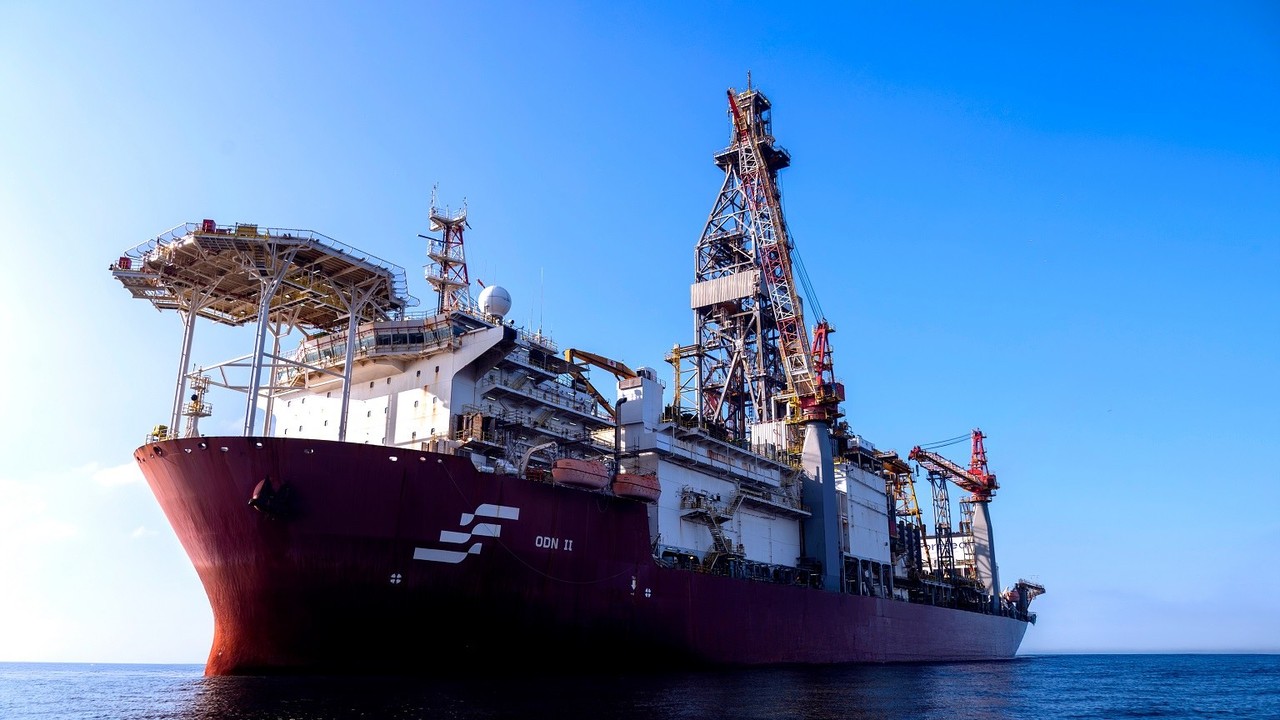
On the other hand, offshore production, although it represents only 0.7% of the total, has strategic importance.
In July, the daily average was 91.79 barrels, registering a reduction of 8.6% compared to June.
Additionally, in the annual comparison, the decline reached 32.2%, resulting from typical technical and logistical challenges of offshore exploration, as well as variations in platform and drill investments.
Natural gas, another essential component of Sergipe’s energy matrix, also showed variations.
In July 2025, the state produced about 2.15 million cubic meters (m³), with a reduction of 1.9% compared to the previous month and a drop of 4.5% compared to July 2024.
Onshore production predominated, totaling approximately 2.12 million cubic meters, or 98.6% of the total. Meanwhile, offshore production reached about 30 thousand cubic meters, representing 1.4% of state production.
The long-term growth of onshore production reinforces the importance of ongoing investments, not only in new wells, but also in the maintenance of mature fields.
Thus, Sergipe maintains its prominence in the sector, even facing logistical and climatic challenges typical of the region.
History and Evolution of the Sector
The history of natural gas production in Sergipe accompanies the development of the oil sector.
Since the 1970s, the state has expanded its gas exploration capacity, initially as a byproduct of onshore oil extraction.
Over time, new technologies have increased efficiency in extraction and transport, consolidating natural gas as a strategic resource for industrial and energy supply in the region.
In recent years, the state has also invested in technical training and the education of specialized professionals, strengthening the local workforce and increasing productivity in the fields.
Furthermore, partnerships between universities and companies in the sector have contributed to technological innovation and applied research, benefiting the entire production chain.
Despite monthly declines, the state maintains positive prospects for sustainable growth.
Therefore, investments in technology and infrastructure are crucial to face challenges such as reduced production in some fields and the need to expand exploration in still underdeveloped offshore areas.
Moreover, public policies aimed at energy security and modernization of the sector seek to balance production and environmental preservation.
The oil and gas sector in Sergipe also has great social importance.
The activity generates direct and indirect jobs, boosts auxiliary services, and contributes to regional development.
Consequently, cities near the oil fields have received investments in infrastructure, transport, and housing, benefiting the local population and creating a sustainable ecosystem around the energy industry.
Relevance for Brazil
The relevance of oil and gas in Sergipe is also connected to national energy security.
The state’s production, although modest compared to major hubs like Rio de Janeiro and São Paulo, supplies the domestic market and contributes to the diversification of the Brazilian energy matrix.
Moreover, the potential for expansion, especially in already identified onshore fields, reinforces the importance of policies to encourage responsible exploration.
When analyzing the numbers for July 2025, it is clear that monthly fluctuations are common in the oil and gas industry.
Climate issues, equipment maintenance, logistics, and investments directly influence production.
However, the growth compared to July 2024 demonstrates that the sector continues on a positive trajectory, despite the natural market fluctuations.
Additionally, Sergipe’s participation in the national context attracts strategic investments and partnerships, expanding its influence in the Brazilian energy chain.
Integration projects with other regions and improvements in logistical infrastructure strengthen the state’s competitiveness.
Sustainability and Future Perspectives
The onshore production, historically more stable, continues to be the main source of oil and gas in Sergipe.
Thus, investments in drilling, monitoring, and transportation technologies increase extraction efficiency, while offshore production faces greater technical challenges.
Small reductions in maritime production do not compromise the overall landscape of the state, which remains relevant in the national context.
Moreover, the oil and gas industry in Sergipe seeks solutions to increase sustainability.
Projects for emission reduction, waste treatment, and energy consumption optimization are part of the production processes.
Thus, these initiatives reflect a global trend in the sector, which seeks to balance economic development and environmental responsibility.
The historical and current landscape shows that Sergipe has a solid energy sector, capable of adapting to market changes and environmental demands.
Therefore, although July recorded a decline compared to the previous month, the annual production remains positive, reaffirming the state’s position as a strategic producer of oil and gas in Brazil.
In summary, the numbers for July 2025 indicate that, although there are sporadic declines in oil and gas production in Sergipe, the long-term growth trajectory remains consistent.
Thus, the combination of onshore exploration, investments in technology, and attention to sustainability ensures that the state continues to be a relevant hub in the national energy landscape, offering promising perspectives for the coming years.
The Sergipe energy industry remains an example of resilience and adaptation, balancing immediate challenges with long-term strategies, consolidating Sergipe as an important producer of oil and gas in Brazil.