Portuguese
  Spanish


Equipment Installed on Central Avenue Leads the Ranking of Violations in the City of São Paulo at the Beginning of 2025, With Significant Increase Compared to the Previous Year and Direct Impact on Local Traffic Statistics.
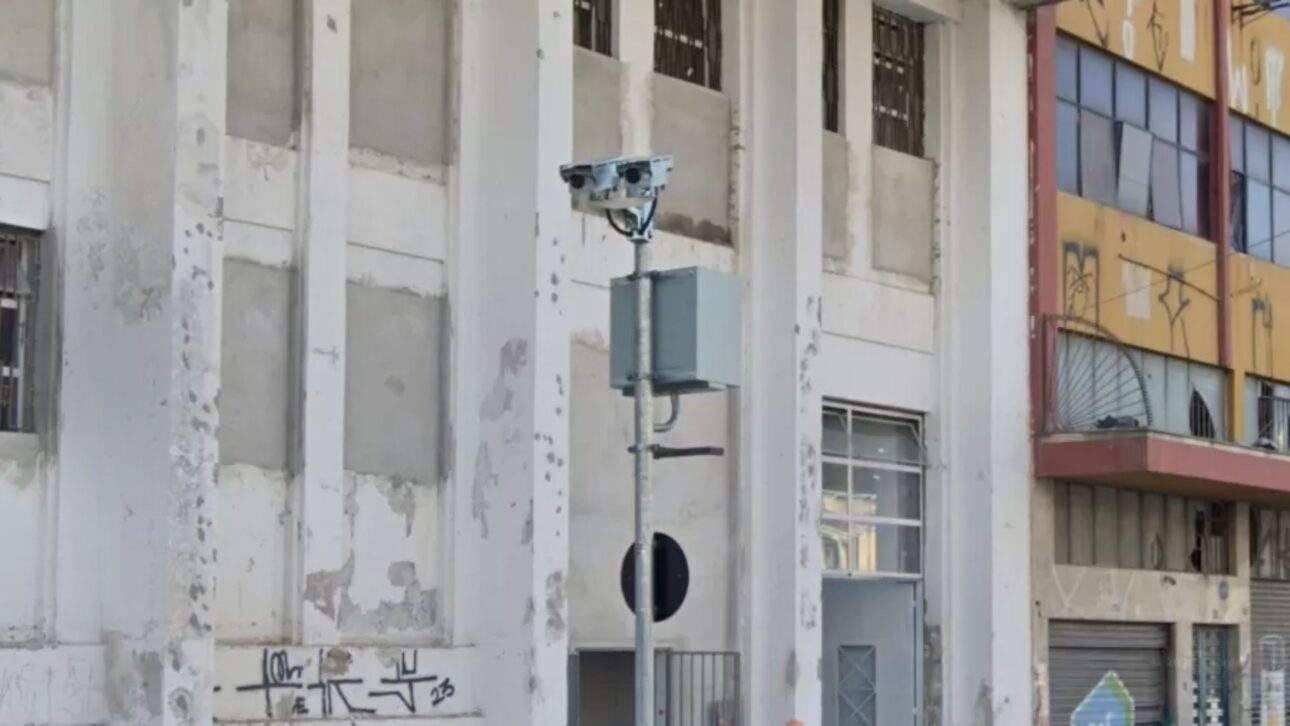
A radar installed on Avenida Prestes Maia, near number 913 and the Luz Metro Station, has become the standout by recording the highest number of violations in the entire city of São Paulo in the first quarter of 2025.
A survey by the UOL portal with updated data from the Municipal Secretary of Mobility and Traffic showed that, only between January and March, a total of 32,342 fines were recorded by the equipment, which amounts to an impressive average of 355 daily violations.
This unprecedented volume represents an increase of approximately 140% compared to the same period the previous year, when the rate was already drawing attention among drivers in São Paulo.
-
Brazilian Startup Turns Coffee Grounds into Plant-Based Leather, Cutting Water Use by Over 50 Times for High-Impact Sustainable Fashion

-
Eco Invest Auction Aims to Unlock $10 Billion in Investments, Focusing on Green Fertilizers, Critical Minerals, Batteries, and AI for Clean Industry in Brazil

-
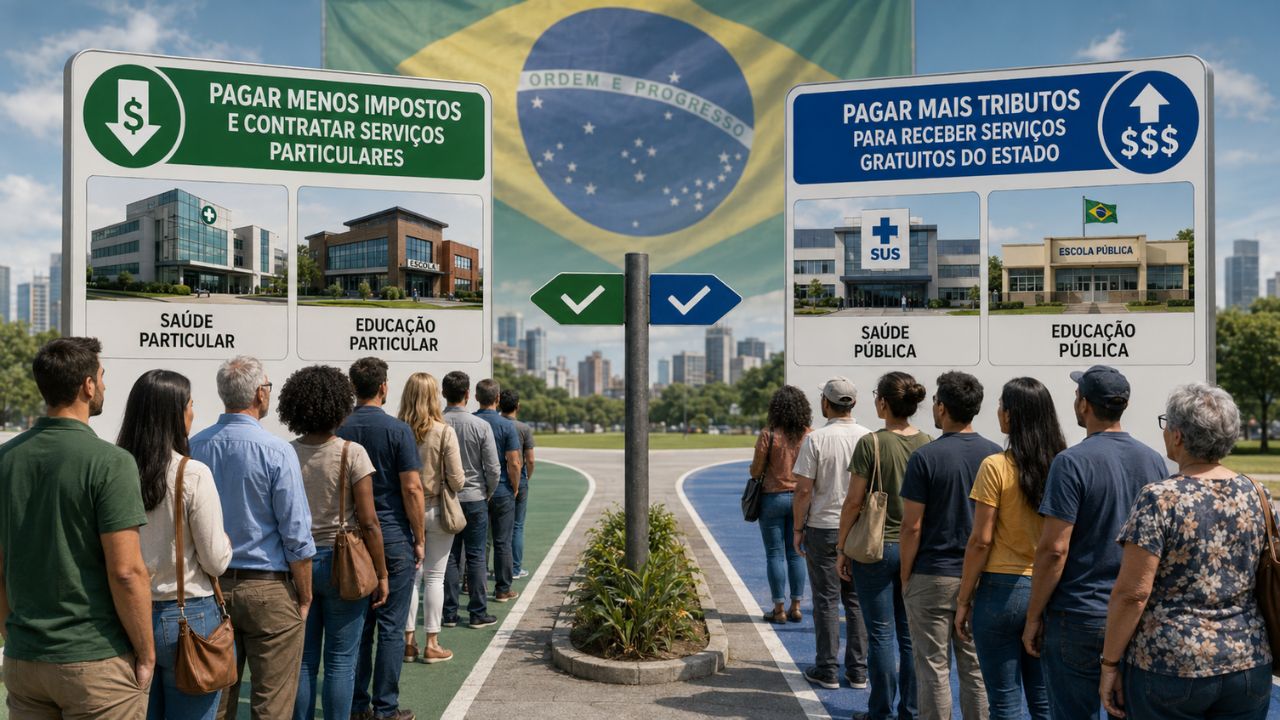
Half of Brazilians Prefer Lower Taxes with Private Health and Education, While 44% Opt for Higher Taxes for State-Provided Services, Datafolha Survey Reveals

-
Brazil’s Most Expensive Toll Rises to R$ 40.60 on Route from São Paulo to the Coast, Nearly Matching Bus Fare to Santos



Speeding Leads the Reasons for Violations
The overwhelming majority of these violations is directly related to speeding, a recurring infraction on the streets and avenues of São Paulo.
In the capital, the maximum speed limit set for most urban roads is 50 km/h, a rule that is often disregarded according to official records.
The presence of radars such as the one on Avenida Prestes Maia highlights a strategy by the city to curb risky behaviors and enhance traffic safety.
However, not all violations issued are immediately entered into the city’s database, which can lead to slight variations in the final statistics.
Locations with Most Violations in São Paulo
In addition to the champion located in the central region, the survey conducted in early July 2025 shows other points of intensive monitoring.
The radar positioned on Avenida Embaixador Macedo Soares, number 10,001, near Marginal Tietê and the Piqueri Bridge, took second place in the ranking, with 19,068 violations recorded.
Next, the equipment installed on Rua Heitor Penteado, near Rua Cristiano Viana, accumulated 15,740 fines during the same period.
Other critical points include Avenida Santos Dumont, near Rua Rodolfo Miranda, which totaled 15,473 violations, and the radar on Marginal Pinheiros, in the vicinity of Eusébio Matoso Bridge, responsible for 14,555 infractions.
These locations rank among the main focuses of electronic monitoring in São Paulo and reflect patterns of intense circulation, especially during peak hours.
Main Types of Violations in the City of São Paulo
Electronic monitoring has primarily flagged drivers who exceed the allowed speed limit.
According to the latest report, only in the first three months of the year, 602,443 fines were issued for speeding above up to 20% of the maximum limit.
In proportional terms, this amounts to almost five violations per minute, reinforcing the prominence of this type of infraction in daily life in São Paulo.
Another highlight is the violation of the municipal vehicle rotation rules, which aims to restrict circulation based on the last digit of the license plate on certain days and times.
The system recorded 426,915 violations of this type in the first quarter of 2025.
Circulation in exclusive lanes for public transport, created to ensure priority for buses and improve collective mobility, resulted in 220,758 penalties during the same period.
There are also records of specific infractions, such as trucks operating outside the permitted hours in certain areas, especially in the expanded downtown area.
The integrated action between fixed and mobile radars has increased the capacity for monitoring and contributed to the rise in the volume of violations throughout the city.
Electronic Monitoring Strategies in São Paulo
The intensification of electronic monitoring in São Paulo is part of a public policy aimed at reducing accidents and promoting respect for traffic laws.
According to the Municipal Secretary of Mobility and Traffic, the use of radars not only acts as a deterrent to reckless behavior, but also contributes to mapping critical points and developing new safety strategies.
It is worth noting that violating speed limits significantly increases the risk of collisions, pedestrian accidents, and other serious incidents.
The economic impact of these fines is also significant, with the total amount collected directed towards improvements in signage, traffic education, and investments in road infrastructure.
Operation of Electronic Radars in the City
Electronic radars, installed at strategic points, operate through sensors that identify the speed of vehicles as they pass by.
When the regulatory limit is exceeded, the equipment automatically records the violation, generating the notification that will be sent to the vehicle owner.
The process follows strict technical criteria, with periodic maintenance and calibration to ensure the accuracy of the records.
A driver who receives a fine notification has the right to present a defense and appeal, as provided for in the Brazilian Traffic Code (CTB).
It is important, however, that each driver adopts a preventive stance, respecting speed limits, rotation rules, and exclusive lanes, not only to avoid penalties but primarily to contribute to collective safety.
Behavior Change and Impact of Fines
The increase in the number of fines in São Paulo points to a lasting challenge: changing driver’s behavior and promoting safer coexistence in urban traffic.
Traffic safety experts emphasize that respect for signage and established limits is essential to prevent accidents and protect lives.
Educational campaigns, combined with efficient monitoring, are fundamental tools in this process.
Considering the volume of violations generated by radars and the need for driver awareness, it is evident that safe traffic depends on a combination of rigorous monitoring, cutting-edge technology, and citizens’ commitment.
In a record-setting year like 2025, what should be the next step to improve coexistence in São Paulo’s traffic and reduce violations on the city’s main roads?