





 Portuguese
  English
  Spanish
  2 min of reading


The Federal Initiative to Revitalize the Automotive Sector
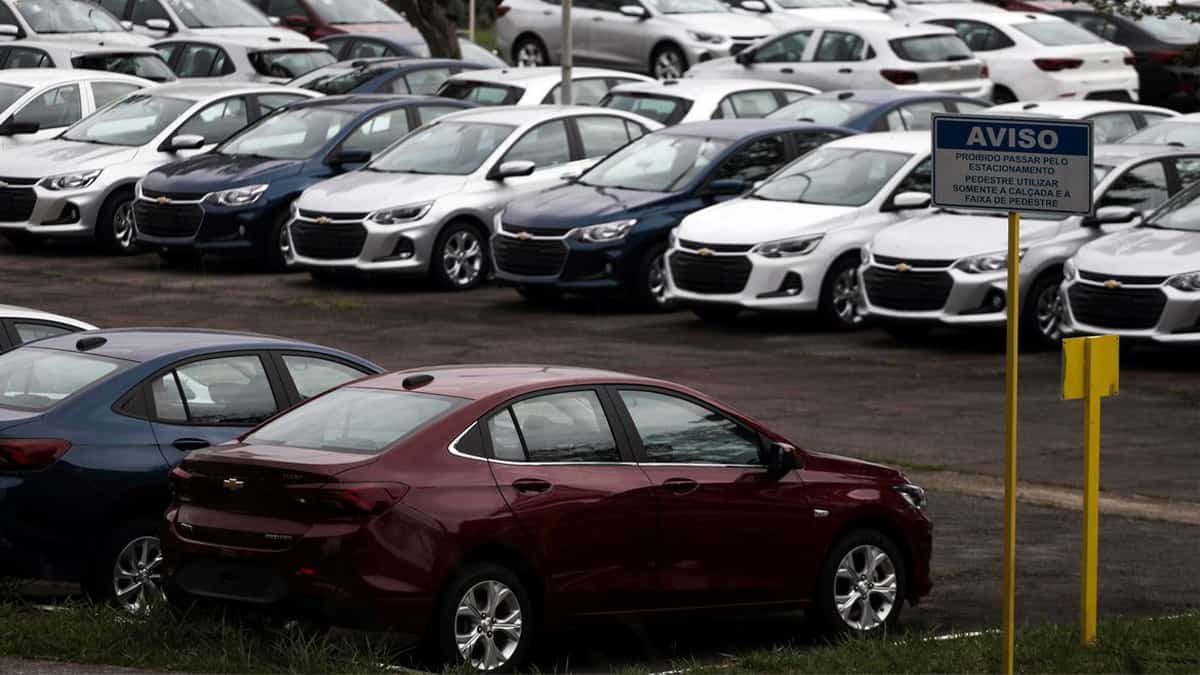
The persistent concern about the high prices of new cars in Brazil culminated in the recent decision by the federal government to ease taxes on these products. This project was announced at the end of May, with the aim of giving a new boost to the crucial automotive sector of the Brazilian economy.
In 2022, the average cost of a new car in the country reached R$130,851, according to data from consulting firm Jato. In comparison, the average value was R$70,877 in 2017. In this context, the government’s measure focuses primarily on popular vehicles and those priced up to R$120,000.
Tarcísio Tamanini, a renowned expert in tax law and founding partner of Wise Tax, details that “the reduction of federal taxes on the automotive chain will vary based on factors such as: vehicle price, national industry density, and the level of pollution emitted by the vehicle. Thus, more accessible cars, with more parts manufactured in Brazil and that emit fewer pollutants will receive greater incentives.”
-
Bill Gates is called to explain contacts with Jeffrey Epstein in a closed-door deposition that may reveal behind-the-scenes details of one of the most sensitive investigations in the US.

-
Coca-Cola prepares a mega-operation in Brazil with 11 factories and 53 distribution centers to turn the 2026 World Cup into a billion-dollar consumption race.
-
Electrolux emerged from a Swedish merger in 1919 and conquered homes worldwide with innovative refrigerators, stoves, and washing machines.
-
Electrolux reveals how Brazilian design crossed borders, reached Europe and the USA, and began to influence more efficient appliances worldwide.



Revitalizing the Automotive Industry: Benefits and Expectations
The amount of the discount anticipated in the new government policy varies between R$2,000 and R$8,000. Automakers have also begun offering additional price reductions on new vehicles to stimulate purchases.
The automotive industry became a significant player in the Brazilian economy back in the 1950s, during the government of Juscelino Kubitschek. Since then, companies have invested in national production, attentive to the Brazilian demand for personal vehicles.
In Tamanini’s words, “the government’s initiative to encourage the purchase of cars is essential for the automotive sector. By promoting fleet renewal with new, less polluting vehicles manufactured domestically, the government demonstrates its environmental concern and promotes sustainability.”
The policy to stimulate the purchase of new vehicles benefits not only manufacturers and dealerships but also the entire supply chain, resellers, and related services. Moreover, the increase in sales can positively impact other economic sectors, such as finance, insurance, and transportation.
Through the proposed changes and the government’s strategy, the Brazilian automotive industry could be strengthened, gaining competitiveness even in the international market. This could reinvigorate the market and enable more people to purchase cars.
“The program is aimed at making popular vehicles more accessible, with the participation of automakers in the project’s formulation. This helps to identify the effects on car prices. Furthermore, the government has set a cap for the benefit at R$500 million, preventing a negative impact on public accounts,” concludes the expert.





Be the first to react!