Portuguese
  Spanish



Rio Grande do Norte Concentrates 14 Offshore Wind Energy Projects in Brazil, But Regulatory and Environmental Barriers Keep Investments on Hold Awaiting Clear Rules.
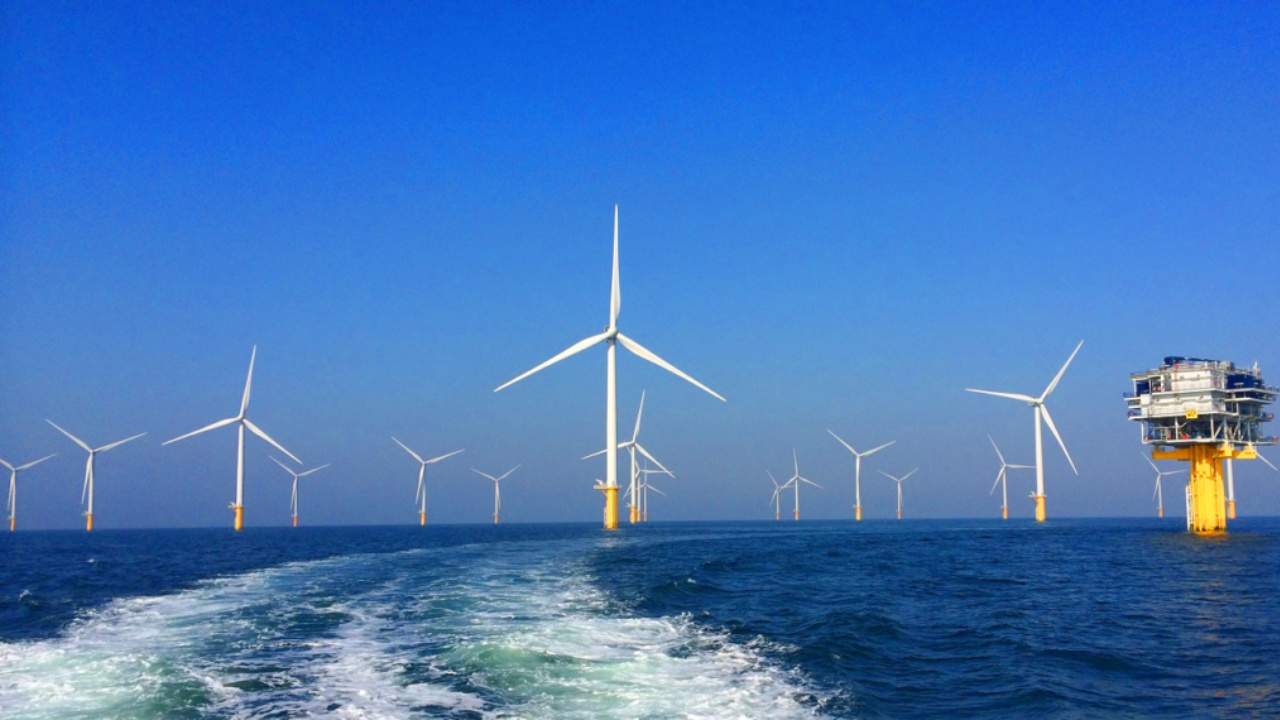
Brazil faces a paradox in the offshore wind energy sector. Although the number of registered projects for marine exploration is high, practical progress remains limited. In this context, Rio Grande do Norte stands out by concentrating 14 of the 104 enterprises registered in the country for environmental licensing, according to official data.
However, despite the prominence of the state, almost all initiatives remain stalled. By March 2025, only one project located on the state’s coast has formally advanced in the environmental process, revealing the gap between the announced potential and actual execution.
Lack of Environmental Studies Impedes Progress
According to the Brazilian Institute of Environment and Renewable Natural Resources (Ibama), the main reason for the halt is the absence of environmental studies presented by the companies. Without this documentation, processes cannot move forward.
-
Billion-Dollar Winds Propel Wind Energy Growth in Brazil, Boosting Unprecedented Technical Workforce Development

-
Brazil filled the Northeast with wind turbines but now faces the side effect of 705 giant blades reaching the end of their lifespan by 2032 just in Rio Grande do Norte, while the world projects 43 million tons of waste by 2050.
-
Brazil has filled the Northeast with wind turbines, but now it faces the side effect of 705 giant blades reaching the end of their useful life by 2032 just in Rio Grande do Norte, while the world projects 43 million tons of waste by 2050.
-
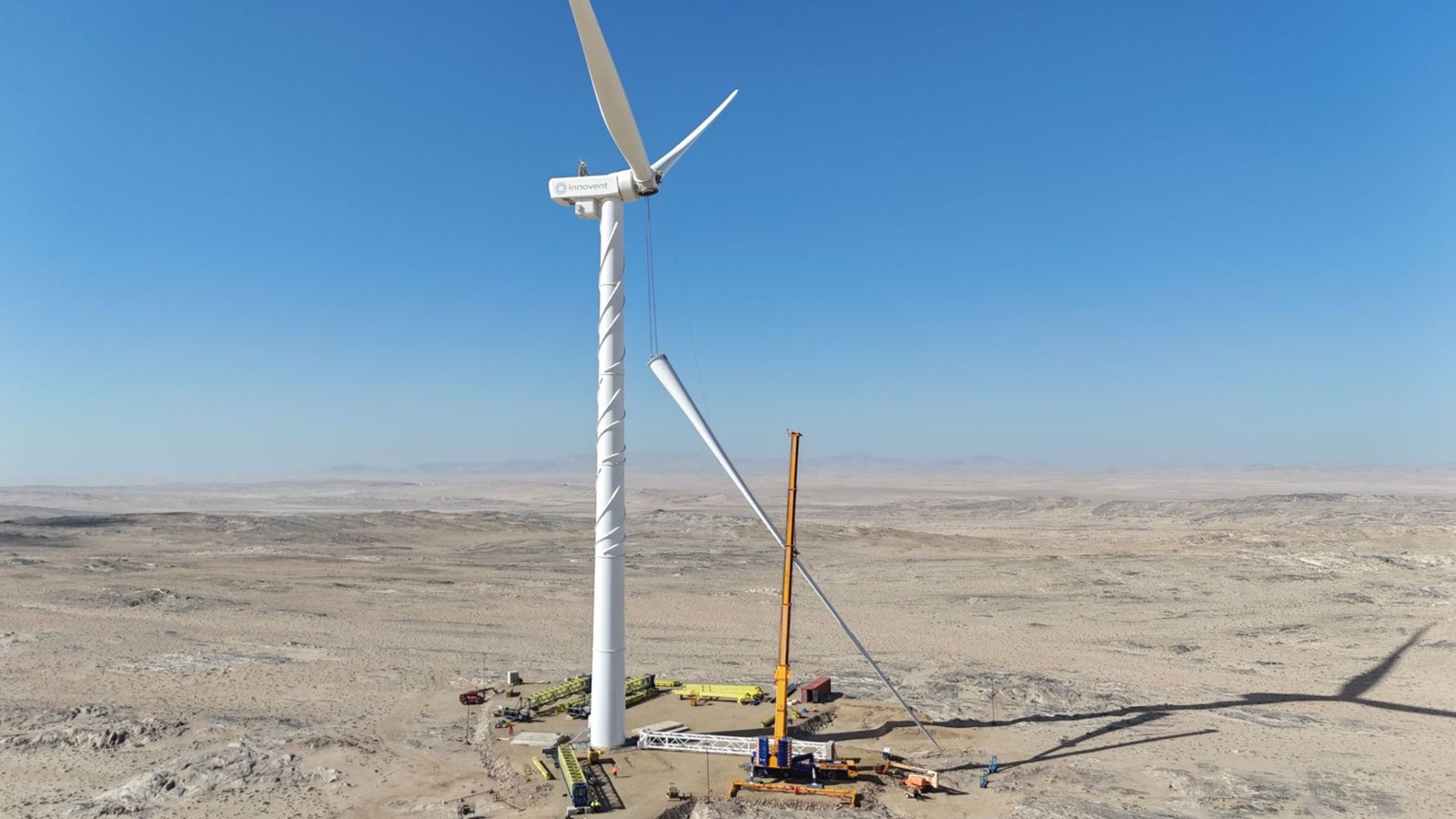
Wind farm in Namibia will have wind turbines assembled without giant cranes and is expected to avoid 200,000 tons of carbon dioxide per year when it becomes operational.


In addition, the environmental agency points out that the lack of consolidated rules for the offshore wind energy market directly contributes to the delay. As a consequence, several requests remain under preliminary analysis, with no immediate prospect of progression.
On a national scale, the registered projects theoretically exceed the total electric generation currently installed in the country. Together, the proposals surpass 200 gigawatts of energy potential, reinforcing market interest even in the face of uncertainties.
Experimental Project Advances on the Potiguar Coast
In Rio Grande do Norte, only the experimental project led by Senai has obtained prior licensing. The initiative aims to install up to two offshore turbines, focusing on technological testing and evaluation of the viability of offshore wind energy in a real environment.
According to Ibama, the agency maintains dialogue with the companies to verify if there is still interest in keeping the requests active. Under current legislation, after the submission of environmental studies, the analysis period can take up to 12 months.
Regulation of Sea Use Remains the Main Barrier
For the Brazilian Wind Energy Association (ABEEólica), the biggest bottleneck is the lack of specific regulation for sea use, which is an area owned by the Union. The concession of these areas depends on clear norms, which are still under construction.
The entity emphasizes that investors are waiting for legal security before committing resources. The regulatory process involves different ministries and requires alignment between environmental, energy, and property policies.
Offshore Auctions Remain Without Set Date
Meanwhile, the Ministry of Mines and Energy reports that there is no forecast for holding auctions for areas intended for offshore wind energy. The government is working on the regulation of Law No. 15,097/2025, which is considered essential for unlocking the sector.
The official expectation is that the regulatory decree will be published in the first half of 2026. From this milestone, the methodology for selecting maritime areas will be defined. Sector specialists assess that the first auction may occur only in the second half of 2026, keeping commercial projects in limbo until then.