Portuguese
  Spanish


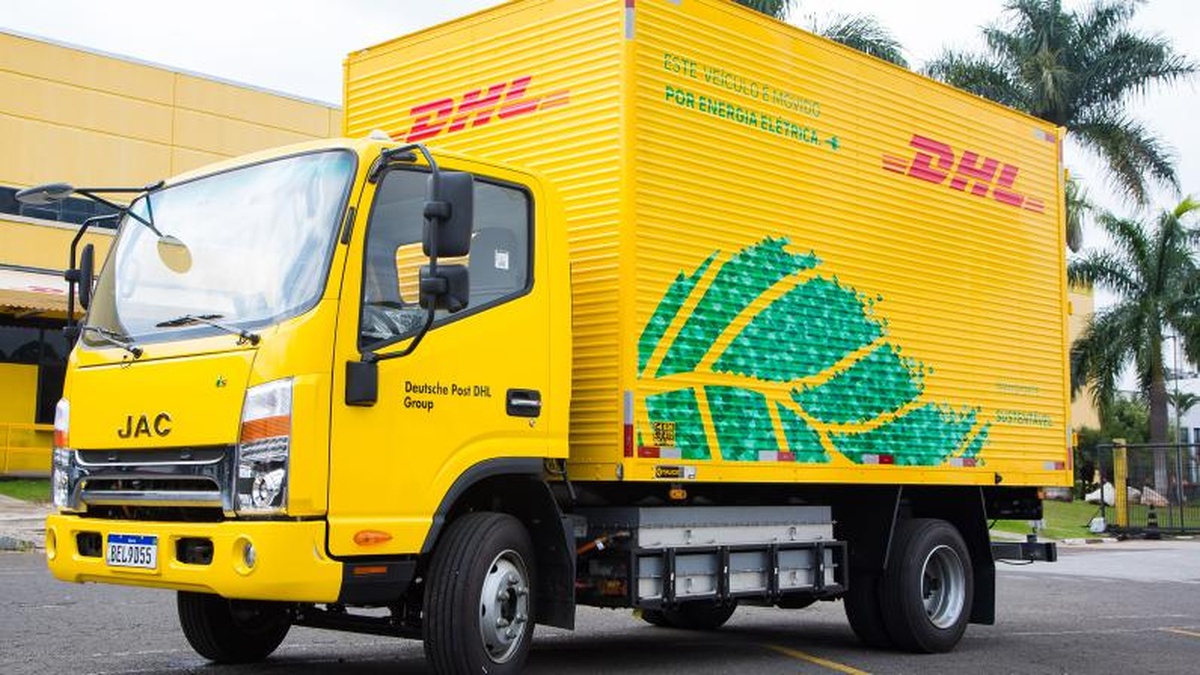

Logistics Innovation: Electric Truck with Gasoline Generator Demonstrates Efficiency and Sustainability in Tests in Germany
Between February and May 2025, DHL conducted tests with an electric truck with extended range, also known as EREV.
The partnership was established with the manufacturer Scania. The test was conducted on the route between Berlin and Hamburg, Germany.
During the 100 days of evaluation, the vehicle traveled about 22 thousand kilometers. The operation was mostly electric.
-
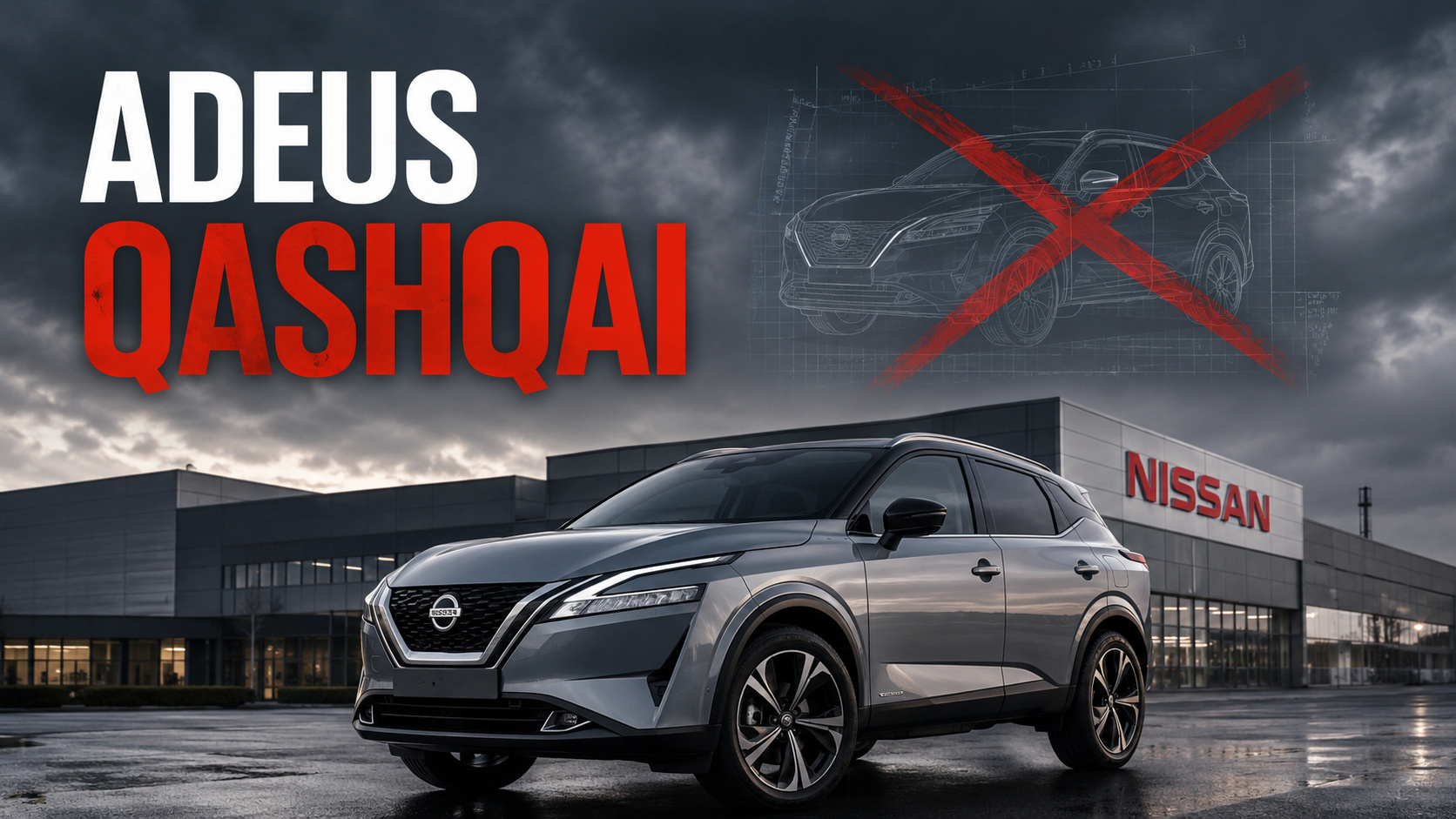
Nissan Discontinues Qashqai SUV Amid Cost-Cutting, Chinese Competition, and Product Line Review

-
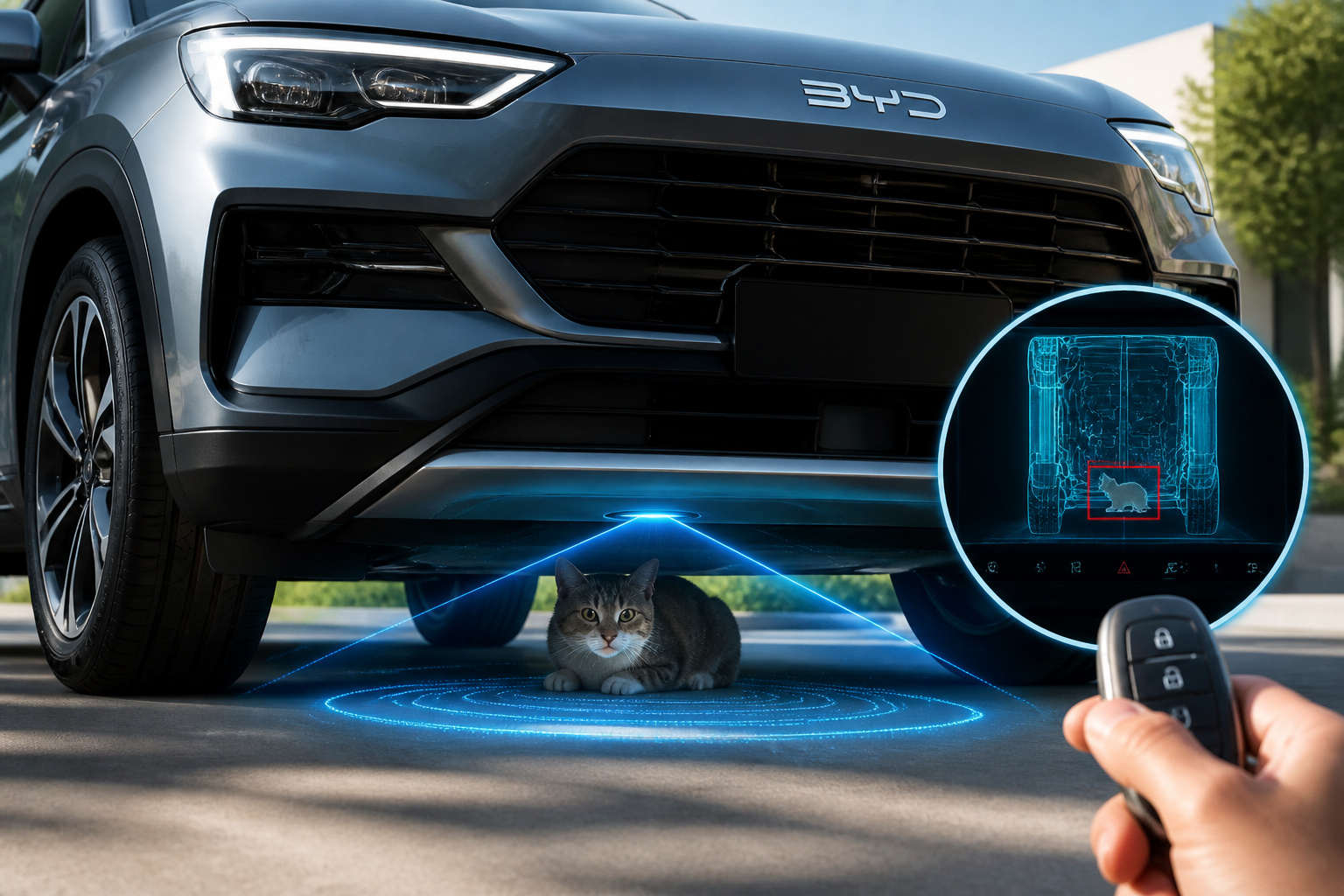
BYD Patents Revolutionary System Using Computer Vision to Detect Animals Under Cars Before Starting, Preventing Tragedies

-
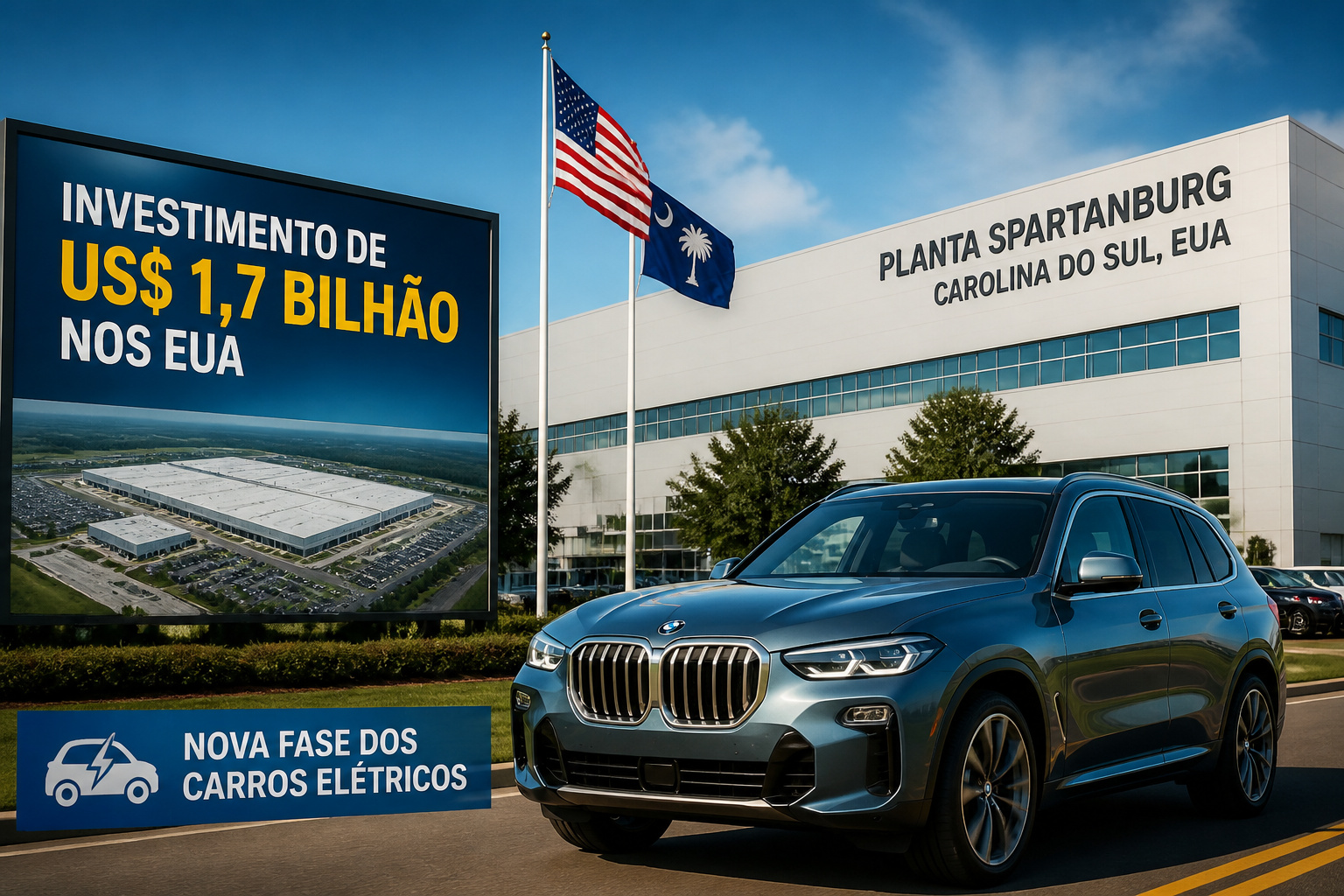
BMW Completes $1.7 Billion Investment in the U.S. for Electric Vehicle Production, Positions South Carolina for New Generation as Rivals Reassess EV Race
-
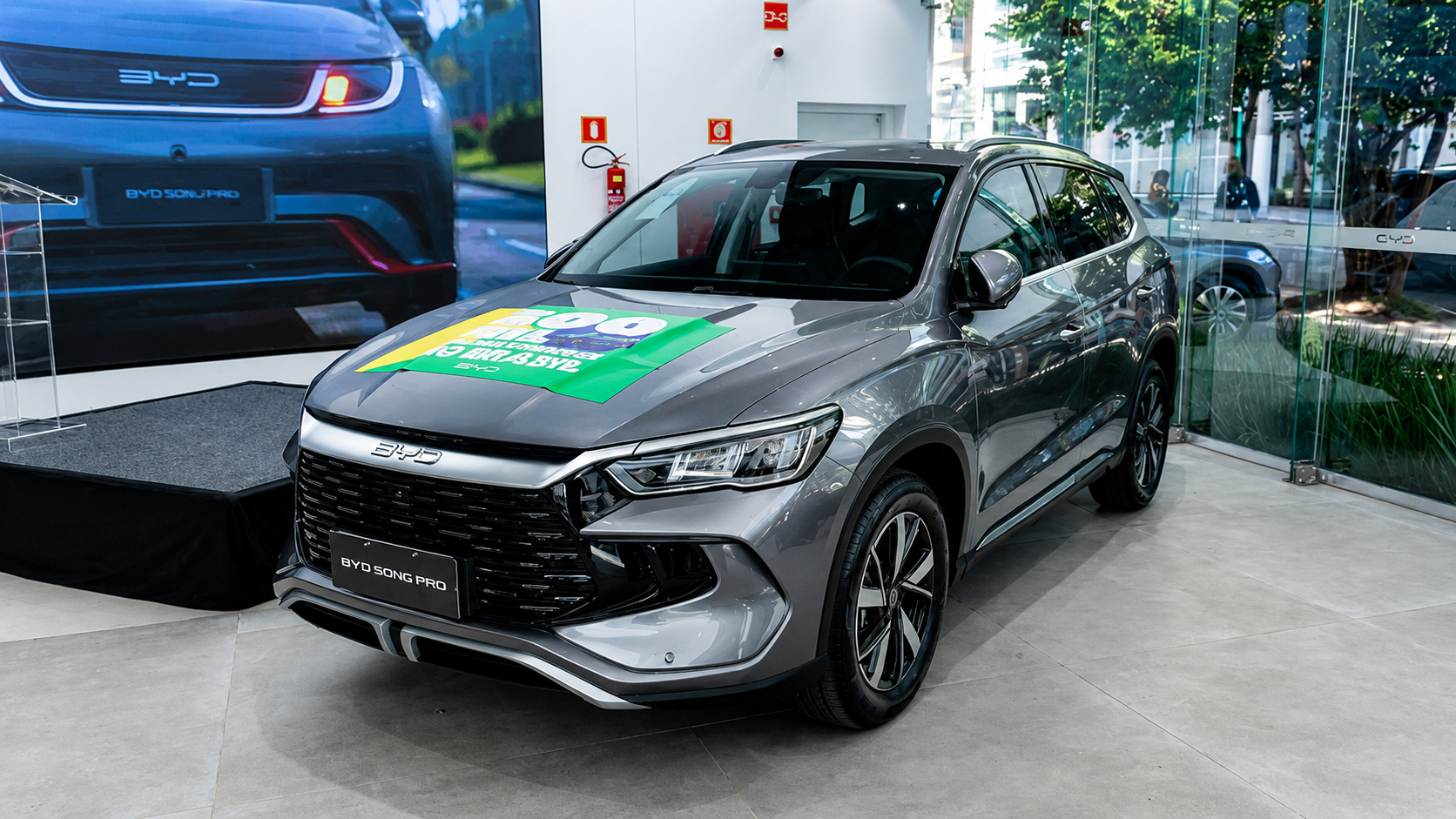
BYD’s Dolphin Mini Becomes Electric Vehicle Sensation in Brazil, Surpassing 300,000 Sales with Major Factory and Retail Leadership
The truck operated with electric traction for 91.9% of the time. The gasoline generator was activated in only 8.1% of cases.
This activation occurred in specific situations, such as loading failures or extremely low temperatures.
As a direct result of the test, there was a reduction of more than 90% in carbon dioxide emissions.
This reduction prevented the release of almost 16 metric tons of CO₂ during the period.
According to Scania, the data shows that the EREV model has real potential to transform sustainable road transport.
Technical Specifications and Expansion Potential of the EREV
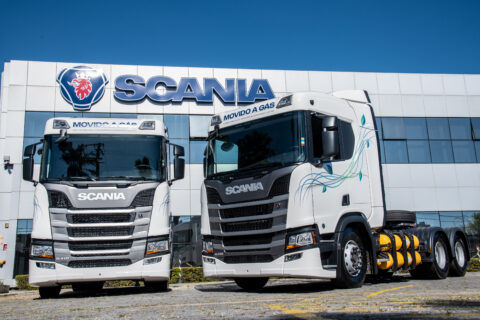
The truck used is based on Scania’s G electric line model. It features 6×2 traction.
The electric motor has a continuous power of 230 kW, with peaks of up to 295 kW. This ensures good performance.
The lithium-ion battery has 416 kWh. Additionally, the truck has a gasoline auxiliary generator with a power of 120 kW.
This combination ensures about 250 kilometers of range solely in electric mode.
However, Scania is studying a new version with a 520 kWh battery. This evolution will allow for even greater and more competitive range.
Moreover, increasing capacity may further reduce the need for the generator’s use.
Operational Advantages and Sustainability in Cargo Transport
The use of the gasoline generator as a range extender provides logistical flexibility in areas with limited charging infrastructure.
Unlike traditional hybrid trucks, this system does not directly power the wheels through combustion.
In practice, the generator only recharges the batteries. This way, traction remains 100% electric throughout the journey.
Another advantage is the ability to configure the system. The operator can limit the generator’s use according to environmental and operational demand.
Therefore, even over long distances, it is possible to maintain low emission levels. This directly contributes to decarbonization goals.
Regulatory Challenges and the Need for Supportive Policies
Despite the benefits, DHL points out flaws in the current European Union regulations.
According to the company, toll systems and environmental incentives do not adequately consider technologies like the EREV.
The CEO of DHL advocates for urgent changes in the rules. For him, legislation must keep pace with technological innovation in the transport sector.
The executive also suggests the future use of renewable fuels in the generator. This could further reduce emissions.
In this scenario, stimulus policies are essential to expand the fleet and accelerate logistics decarbonization.
Future Perspectives and the Role of Transitional Technologies
The partnership between Scania and DHL demonstrates how intermediate solutions can have a significant environmental impact in the short term.
While electric charging infrastructure is still progressing, the EREV fills an important gap in the sector.
With appropriate public policies, this technology can grow rapidly and contribute to meeting global climate goals.
Furthermore, it serves as a model for sustainable transition. This shows that it is possible to combine innovation with environmental responsibility right now.
This strategy strengthens the industry’s commitment to cleaner and more efficient cargo transport.