Portuguese
  Spanish



Community Bets On Innovation And Opens New Routes For Sustainable Generation
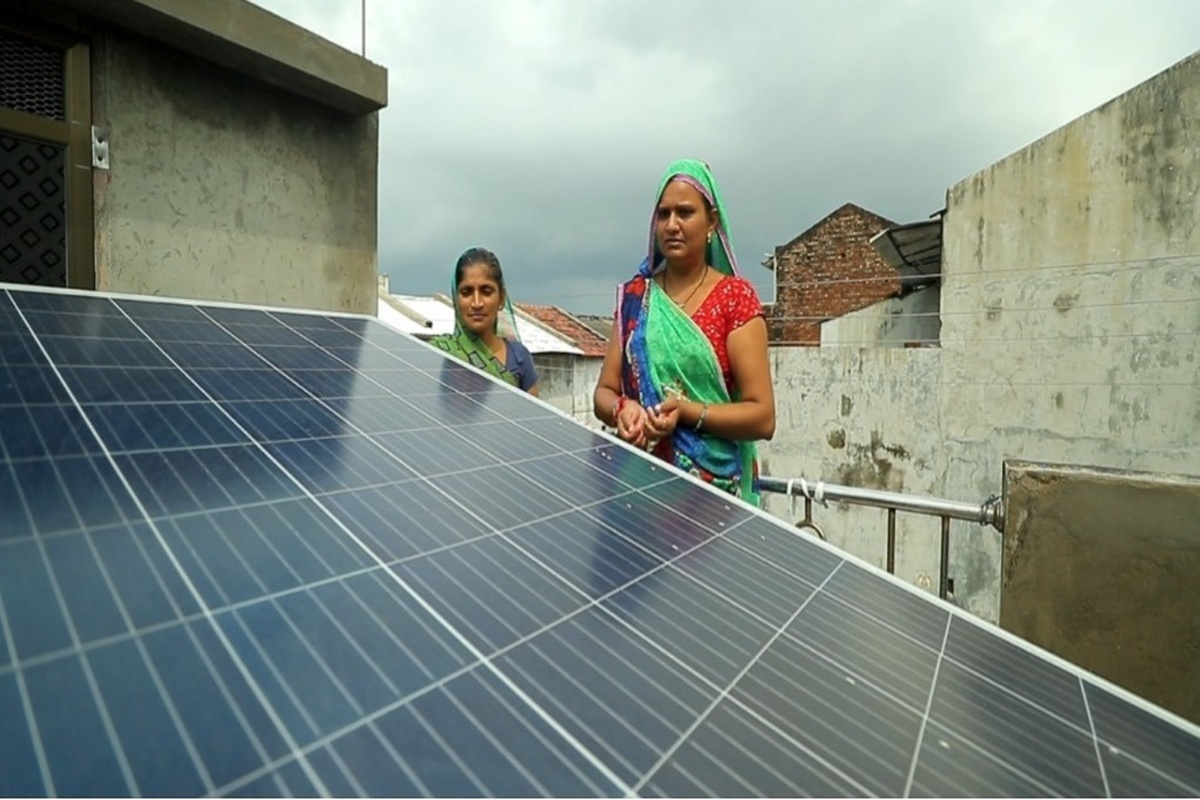
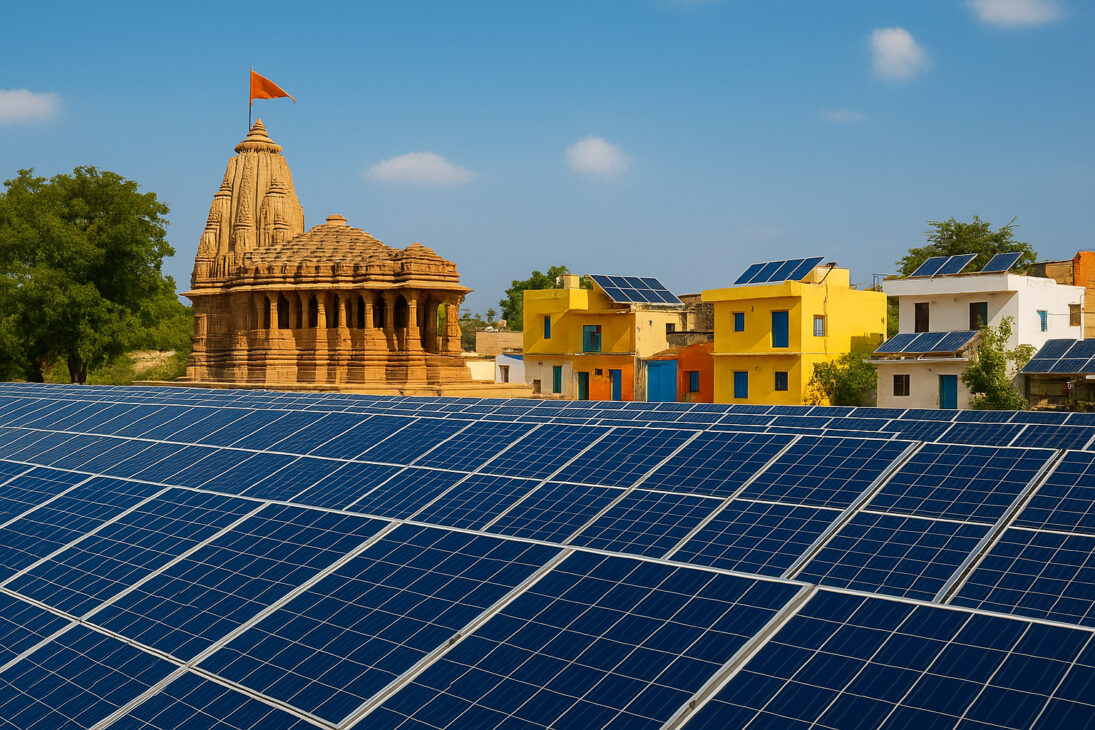
Since 2022, the small community of Modhera, located in the state of Gujarat, India, has been attracting global attention. This is because it has become the country’s first fully self-sufficient solar village, according to data released by the Indian Renewable Energy Agency. Although there are still challenges, the experience of this village demonstrates how solar energy can transform the local reality in a scalable way. This initiative paves the way for new public policies in the sector.
Energy Autonomy Drives Local Economy
In addition to drastically reducing electricity costs, the village achieved energy autonomy in October 2022. The project was financed by the Gujarat government in partnership with the International Renewable Energy Agency. Over a thousand solar panels were installed on the roofs of the houses. Even though the initial investments required substantial resources, the return is already evident in the local economy. The community began to redirect part of its electricity expenses towards infrastructure improvements. This strengthened job creation.
Community Becomes Global Example of Sustainability
Therefore, Modhera has become a showcase for public policies related to clean energy. In January 2023, World Bank experts visited the village to assess the possibilities of replicating the model in other rural areas of Asia and Africa. Although there are climatic and socioeconomic differences, experts point out that the decentralization of electricity generation strengthens the resilience of communities. This strategy enhances energy security.
-
Solar Chimney in Spain Harnessed Sun to Generate Electricity for 7 Years Without Burning Fuel

-
Solar energy reaches 55 GW, becoming the second largest power source in Brazil’s energy mix

-
Solar energy can increase property value by up to 10% and become a selling point.
-
Solar and wind energy surpass natural gas for the first time in the world and accelerate energy revolution


Challenges to Expand the Model in the Country
Despite the remarkable advances, the Indian government acknowledges, since July 2023, that the expansion of this model depends on ongoing investments in energy storage. Studies conducted by the Delhi Technology Institute indicate that, to ensure stability in distribution, it is essential to expand the lithium battery network. It is also important to create subsidies for low-income families. However, the Ministry of Energy has already announced plans to accelerate new solar villages by the end of 2025.
Future Projection Strengthens Clean Generation
Throughout 2024, Modhera continued to receive visits from international delegations. They seek to understand how communities can thrive without relying on traditional electricity generation networks. Sources such as the International Energy Agency emphasize that the global goal of zero emissions by 2050 involves local solutions. This solar village example connects innovation, cost reduction, and social responsibility. Thus, the example of Gujarat motivates communities to adopt clean matrices on a large scale.