Portuguese
  Spanish


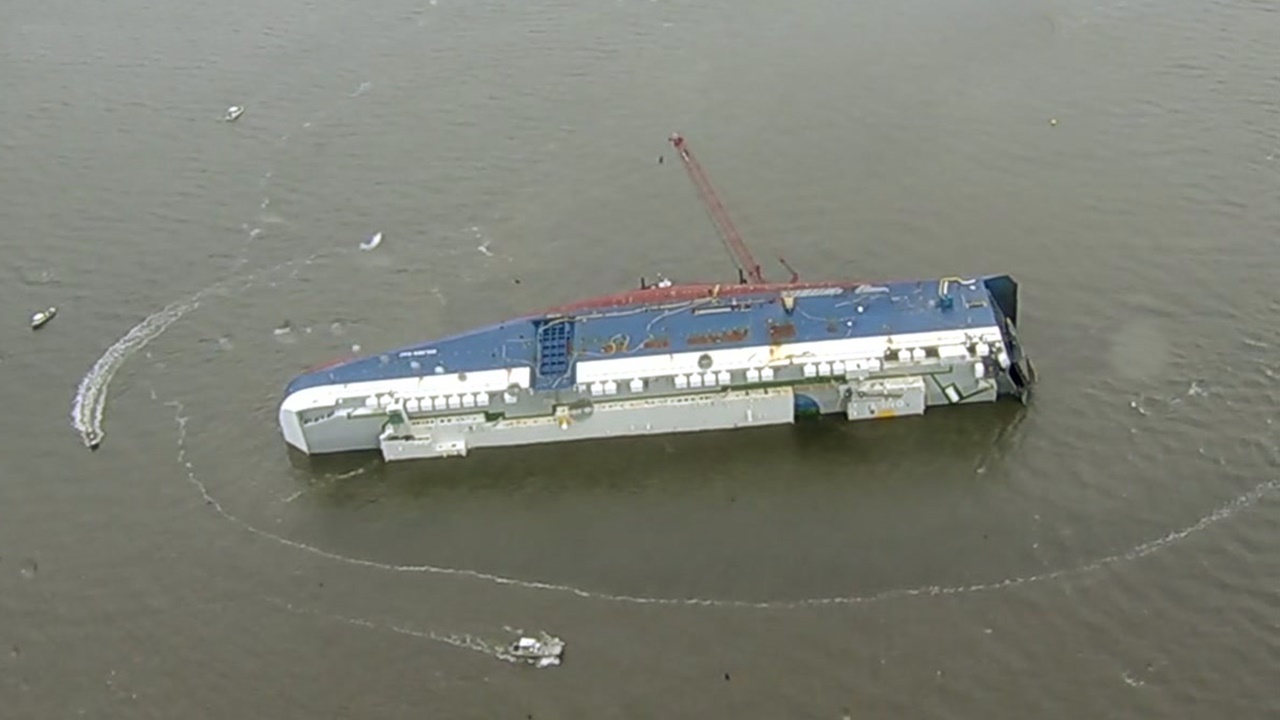

The MV Golden Ray From The Multinational Hyundai Was A Car Carrier Measuring 200 Meters Long That Capsized In The United States, Sustained Total Loss, And Became Scrap
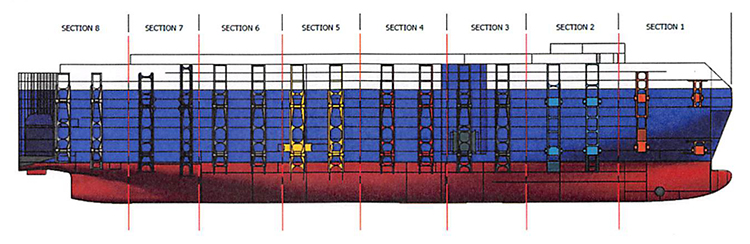
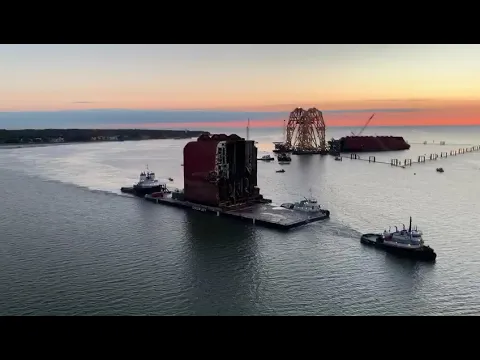
The salvage team continues to make progress in its efforts to remove debris from the Golden Ray car carrier from South Korea’s Hyundai, which sank with 4,200 brand new cars. They have begun cutting operations to separate Section Three, marking the start of the fifth of seven total cuts. Once separated, Section Three will be stored in a dry dock and transported to a facility at Mayors Point Terminal in the Port of Brunswick.
Read Also
- First Ship Tunnel In The World Will Be Built Next Year
- The Largest Container Ships In Latin America May Dock At The Port Of Suape In Pernambuco
- Samsung Shipyard, One Of The Largest Ship Manufacturers In The World, Compensates Petrobras $59 Million For Bribes Related To Operation Car Wash
- Bosch Brings Manufacturing From The U.S. To Brazil And Offers More Than 70 Positions For High School, Higher Education And Internship At Its Factories In SP, Curitiba And More Brazilian Regions On This 13th Of May
- Klabin Paper And Pulp Factory Opens Positions For Candidates Without Experience Seeking Their First Job To Intern In The Industrial Maintenance Sector And Other Areas Today, 13th Of May
Sections Golden Ray 8 and 7 and 1 and 2 have been removed. Meanwhile, at the opposite end of the wreck, 53 vehicles and part of a deck from Section 6 were removed on Thursday. It is expected that the work will take at least a few more months.
The risk of oil discharge is lower for the remaining cuts in the wreck removal process. Teams continue to clean up very light oil spills and debris, and there are also survey teams patrolling to find and remove any debris or fuel residues from the capsized Hyundai ship.
-
Abandoned Factory in Rio’s North Zone Becomes Urban Hazard with Standing Water and Debris

-
The U.S. Navy Conducts Submarine Tests in Idaho Lake to Detect Underwater Noises Hidden by the Ocean

-
British Factory Transitions from Mechanical Parts to Producing 420,000 Electric Power Units Annually, Supplying 70% of Ford’s Electric Cars Sold in Europe
-
France Launches Network to Recycle 20 Million Cookware Pieces by 2027, Accepting All Brands for Aluminum and Coating Separation



Golden Ray From South Korea’s Hyundai Ran Aground And Partially Capsized With 4,200 Brand New Cars
The Golden Ray from multinational Hyundai ran aground and partially capsized in St. Simons Sound, Georgia, on September 7, 2019. During an outbound transit in calm conditions, a routine turn to starboard turned into a maneuvering mishap, ending with the ship aground and resting on its side.
Lieutenant Ian Oviatt, an engineer with the U.S. Coast Guard, said the Hyundai car carrier had taken on too little ballast for its cargo. “The cause of the vessel’s capsizing was due to a lack of righting energy because of how the vessel was loaded,” Oviatt told an investigative panel last September. “The vessel could have taken additional ballast to comply.”