






 Portuguese
  Spanish


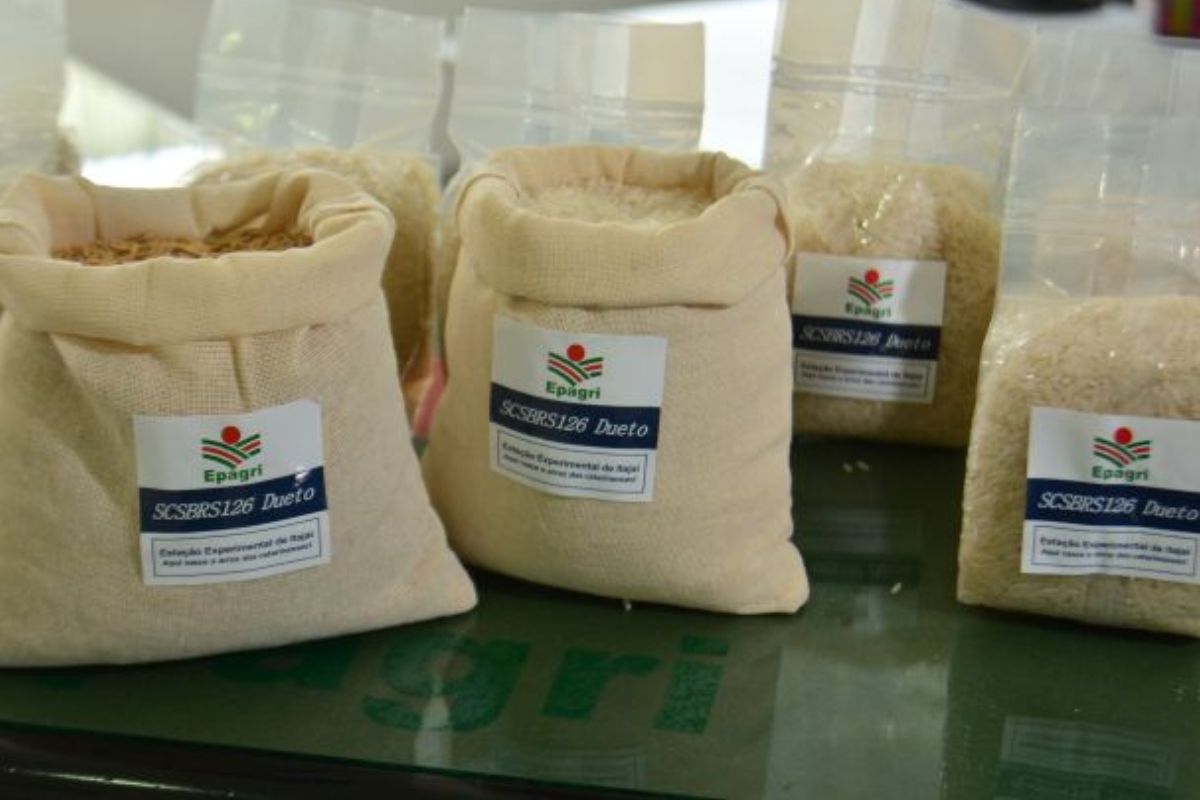

With International Recognition, Santa Catarina Rice Developed by Epagri and Embrapa Reinforces the Role of Agricultural Research in Sustainability and Food Security in the Face of Climate Change
The Santa Catarina rice, especially the SCSBRS126 Dueto variety, has drawn international attention by becoming a symbol of innovation, resilience, and food security in times of intense climate change, according to a report published.
Developed by Epagri in partnership with Embrapa, the grain gained international recognition by being among the finalists for the GBA Award for Impact and Leadership in Bioeconomy 2025, promoted by the Global Bioeconomy Alliance in Denmark.
This recognition puts the state of Santa Catarina at the center of discussions about agricultural sustainability and global bioeconomy.
-
Bicolor Pumpkin Resembling Hand-Painted Art Discovered by Brazilian Researchers in the Capital Due to “Spontaneous Mutation”

-
In China, a 26-story building produces 1.2 million pigs annually, revolutionizing livestock farming with tube feeding and AI surveillance.

-
With Nearly 60% Desert, Israel Desalinates Seawater and Recycles 90% of Wastewater to Build a Billion-Dollar Agricultural Powerhouse in Dates and Cotton
-
74-Hour Barbecue in Brazil Sets World Record: 3.4 Tons of Meat, 10,500 Meals Served



With 15 years of continuous research, the Dueto variety combines technology, productivity, and resistance to extreme temperatures, and is now cultivated in over half of the irrigated rice areas in the state.
Technological Innovation in the Field and Adaptation to Climate Change
The trajectory of Santa Catarina rice reflects the commitment between science and agricultural practice. The Dueto variety, commercially launched in 2023, is the result of collaboration between Epagri, Embrapa, and Udesc/CAV, with support from institutions like CNPq, Fapesc, Finep, and Capes.
The project “Rice Improvement for Extreme Temperatures in Facing Climate Change” was coordinated by researcher Rubens Marschalek from the Itajaí Experimental Station.
The distinguishing feature of the cultivar is its impressive genetic tolerance to temperature variations. While other varieties reduce their productivity when the thermometer drops below 17°C or exceeds 38°C, Dueto maintains stability and yield.
This ensures safe harvests even in scenarios of thermal stress, contributing directly to global food security.
According to Marschalek, the merit of the variety lies in uniting science and climate adaptation, becoming a model of smart and sustainable agriculture.
In addition to its performance in the field, the development generated 18 technical publications, seven journalistic articles, eight videos, two dissertations, and one doctoral thesis.
These results reinforce the scientific and technological impact of the project, strengthening the role of public research in the advancement of Brazilian rice farming.
Scientific Partnerships and Strengthening Sustainable Bioeconomy
The consolidation of Santa Catarina rice as a global reference was only possible thanks to solid institutional cooperation.
The name “Dueto” symbolizes not only the partnership between Epagri and Embrapa but also a double resistance to cold and heat, essential characteristics in a context of global warming.
This synergy between research and the field drives the transition to a sustainable bioeconomy, a concept promoted by the Global Bioeconomy Alliance award.
During the annual conference held in Copenhagen, from September 29 to October 3, 2025, the Santa Catarina project stood out among the top five global initiatives.
The award recognizes actions that stimulate innovation, social impact, and the rational use of natural resources.
For the director of Science, Technology, and Innovation at Epagri, Reney Dorow, this achievement reaffirms the leading role of public research in the search for sustainable solutions that combine productivity and environmental preservation.
Rural Development and Economic Impact on Santa Catarina Agribusiness
The relevance of Santa Catarina rice goes beyond the scientific field.
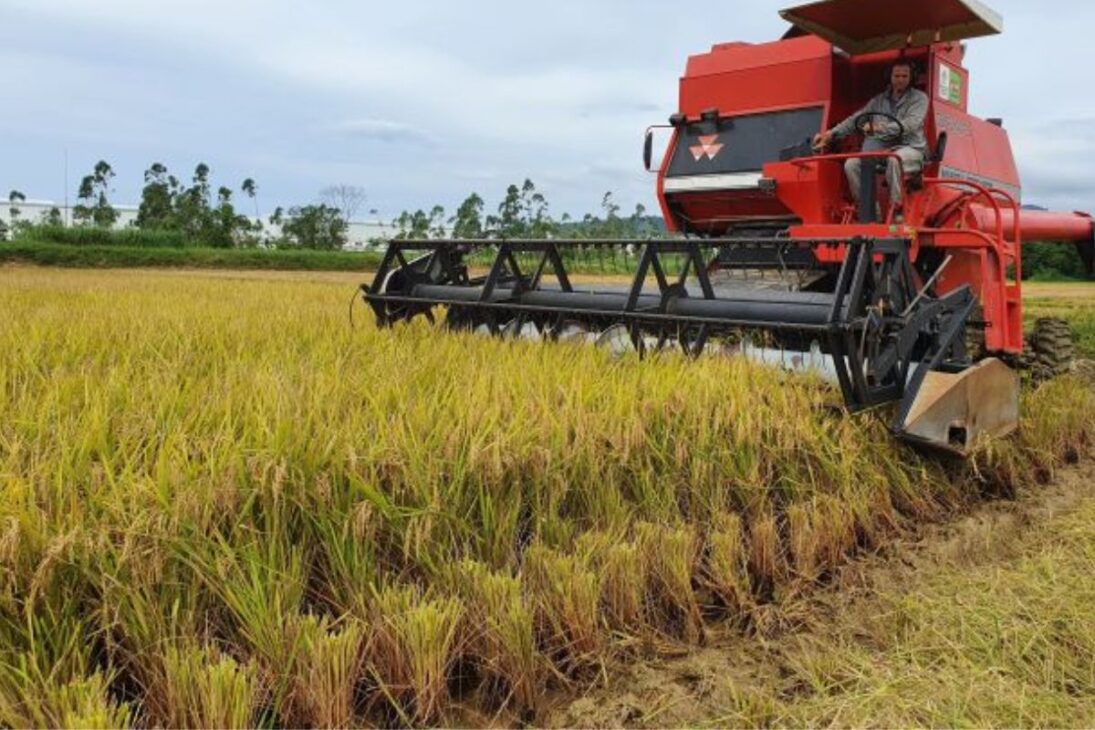
According to Epagri President Dirceu Leite, the state accounts for 9% of the national cultivation area, with production spread across 86 municipalities and supported by around six thousand producers, mostly family farmers.
This structure reinforces the social importance of the cereal in the regional economy. The economic results prove the advance: according to data from Epagri/Cepa, the average productivity jumped from 1.8 tons per hectare in the 1970s to an impressive 8.73 tons per hectare in 2025.
The performance is directly linked to the application of locally developed technologies and the integration between research, extension, and producers.
The success of Dueto symbolizes this transformation, showing that science and the field can walk hand in hand in the quest for sustainability and competitiveness.
With the seal of the Global Bioeconomy Alliance, the SCSBRS126 Dueto variety reinforces the role of Epagri as a strategic agent in building a more balanced agricultural future.
Amid climate uncertainties, Santa Catarina rice consolidates itself as an example of innovation and resilience, a legacy of applied science that inspires Brazil and the world.


