Portuguese
  Spanish


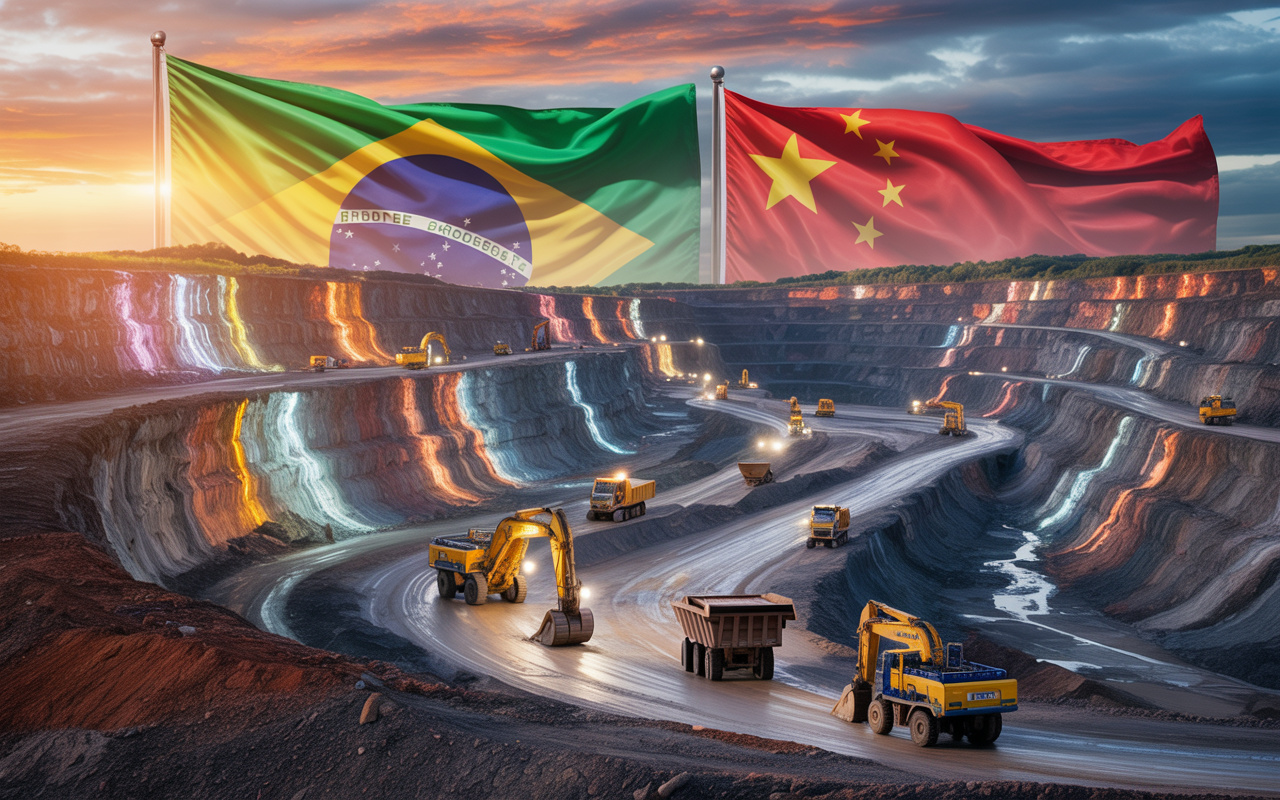


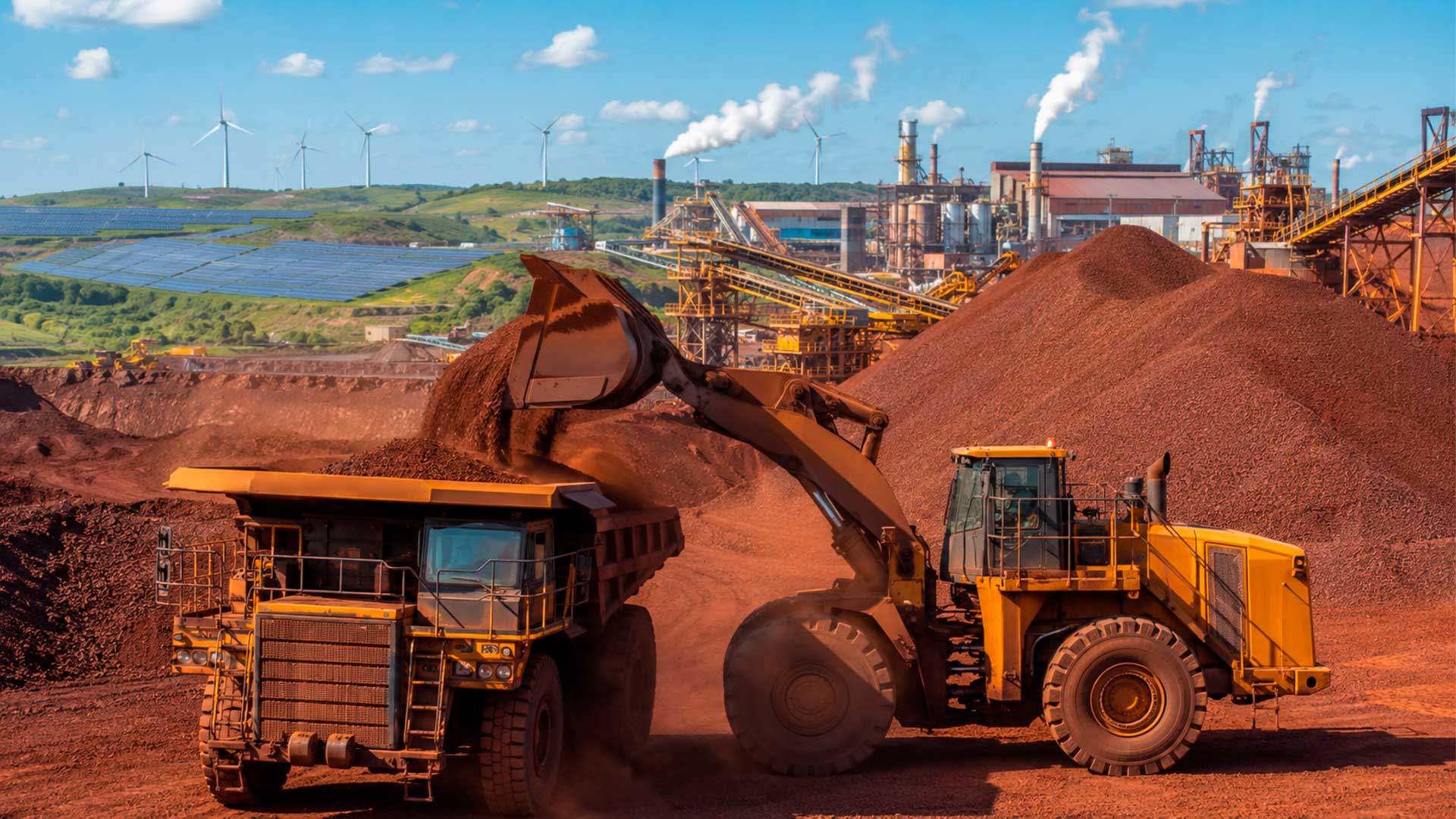
Brazil Has Enormous Rare Earth Reserves, but Without Refineries Sees China Dominate 90% of the Market and Maintain the Monopoly of Future Technology.
Brazil is sitting on a wealth capable of redefining its role in the global economy: rare earths, a group of 17 chemical elements essential for the production of electric cars, wind turbines, satellites, missiles, semiconductors, and virtually the entire modern high-tech supply chain. It is estimated that Brazilian deposits could be worth trillions of reais, but the reality is harsh: the country lacks industrial refineries capable of turning this potential into prominence.
Meanwhile, China continues to control about 90% of global processing, maintaining a strategic monopoly over the future economy.
Brazil: Giant in Rare Earth Reserves
According to geological surveys, Brazil has one of the largest rare earth reserves in the world, with notable areas such as the Amazon, Goiás, Bahia, and Minas Gerais.
-
Study Reveals 97% of Pregnant Munduruku Women in the Brazilian Amazon Have Mercury Levels Above Safe Limits, 90% of Newborns Contaminated by Gold Mining

-
China could reduce iron ore imports from 80% to 50% of consumption by 2030, while its share in global steel production falls from 52% to 46%, in a shift that could reshape the global market, says CMRG.
-
Brazil is sitting on one of the largest lithium reserves in the world, in the Jequitinhonha Valley, but national mining has almost become an appendage of China: 97% of the metal’s export goes to a single country, which also dominates refining.
-
Iron ore falls to 762 yuan in China as real estate sales decline and steel production hits lowest level since 2018


The identified deposits could place the country among the major global players in this market, alongside Australia, the USA, and China.
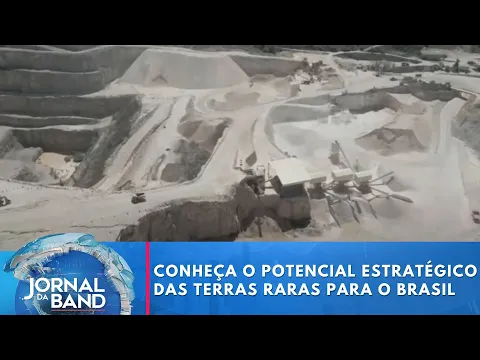

However, having the reserve is not enough. Rare earths are not extracted pure: they are mixed in complex ores and require high-level refining to become usable in the tech industry. This is exactly where Brazil falls behind.
The Refinery Bottleneck
Currently, Brazil exports rare earths in their raw state or in the early stages of processing. The problem is that the added value is in refining, where the chemical elements are separated and transformed into high-purity compounds, ready for batteries, magnets, and microchips.
Without industrial-scale refineries, the country ends up exporting cheaply and importing expensively — a cycle that repeats the historical pattern of national mining, in which riches leave the underground practically for free and return in the form of sophisticated products at high prices.
The Chinese Monopoly
While Brazil struggles, China has consolidated an almost absolute dominance over the sector. Today, 90% of all global rare earth refining is under Chinese control.
More than that: Beijing uses this strategic position as a tool of geopolitical power, having restricted exports during moments of diplomatic tension.
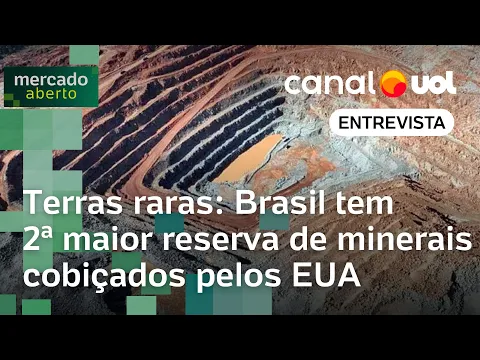
This monopoly means that even countries with large reserves, such as Brazil, the USA, and India, remain dependent on the Chinese industry to access critical inputs for energy transition and cutting-edge technology.
The Economic and Strategic Impact
Experts point out that rare earths could be to the 21st century what oil was to the 20th century. Without them, there are no batteries for electric cars, no cell phones, no satellites, no wind turbines. Brazil could, in theory, use its reserves to become a protagonist in the energy and digital revolution.
But the lack of refineries leaves the country in the position of a peripheral supplier. The result is a huge waste of value: billions are lost in taxes, industrial jobs, and high-tech production chains.
Opportunity or Risk of Repeating History
The issue of rare earths is symbolic of a larger dilemma: Does Brazil want to be merely an exporter of commodities or does it wish to position itself as a technological powerhouse?
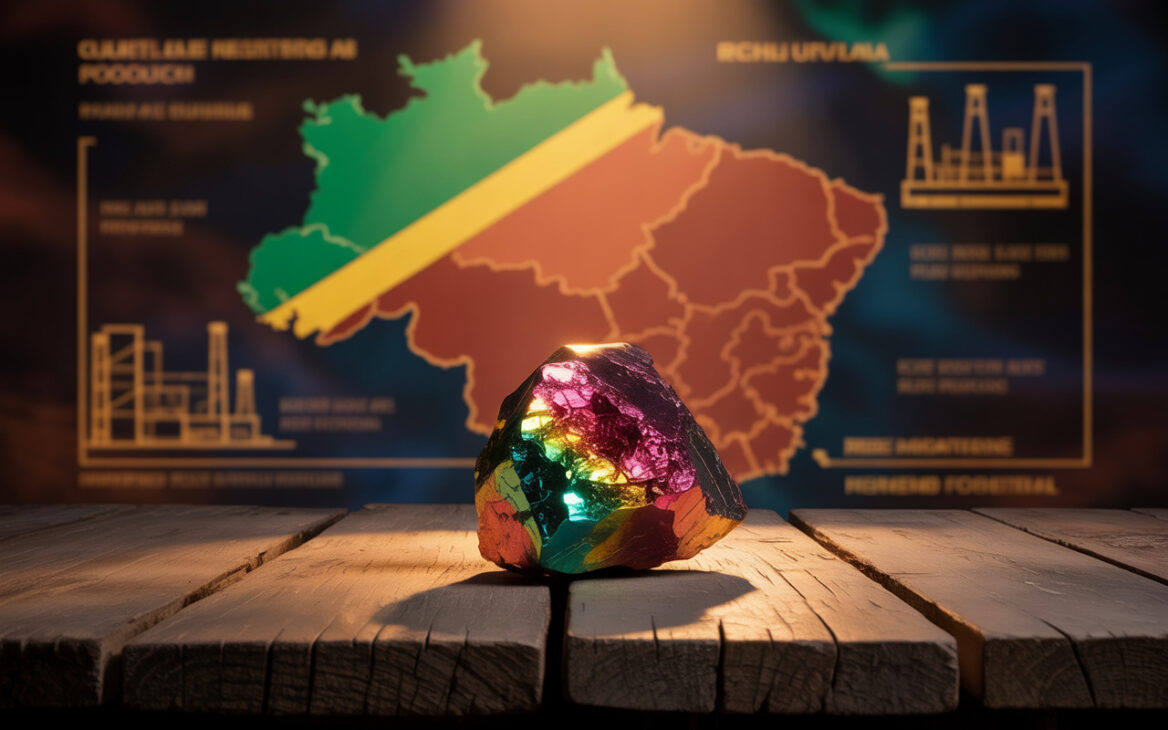
If nothing changes, the risk is repeating the past of gold, coffee, rubber, and iron ore — riches that left the country without generating proportional development.
For experts, the path is clear: invest in national refining, attract cutting-edge technology, encourage partnerships with universities and companies, and transform geological potential into complete industrial chains. Only then can the country compete with China and capture the strategic value of its resources.
The Future at Stake
The rare earths hidden beneath Brazilian soil could be the passport for the country to project itself as a powerhouse of the energy transition.
But without swift action, this wealth will continue to serve foreign interests, while China firmly maintains its global monopoly.
What is at stake is not just the economy, but sovereignty. In an increasingly technology-dependent world, who controls critical inputs controls the future. And Brazil, despite having the treasure, still watches from the sidelines in the game it could lead.