Portuguese
  Spanish


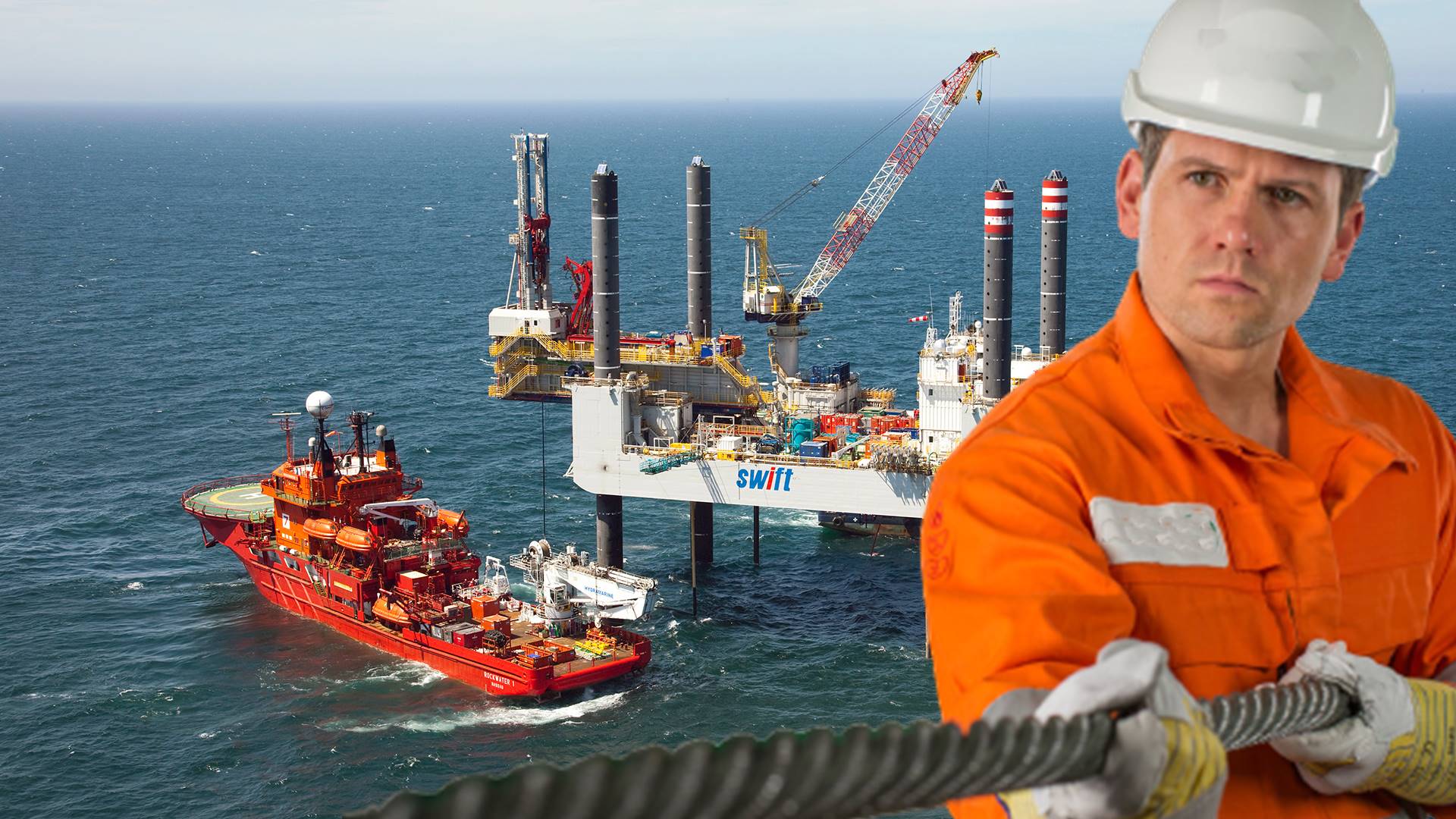

The National Steel Day is celebrated on April 9 in Brazil. Steel is an important material for the development of modern society. Widely used in civil construction and the offshore industry, the metallic alloy composed of iron and carbon is present in several sectors of the economy, as the machinery used is often produced with this material.
Brazil is the ninth-largest steel producer in the world, with the ranking led by China, India, and Japan. In 2019 alone, over 32 million tons were produced, according to a survey by the WorldSteel Association (WorldSteel). Among the many applications of steel, the steel cable is one of the most common and requires attention.
Summary Video About the Steel Industry
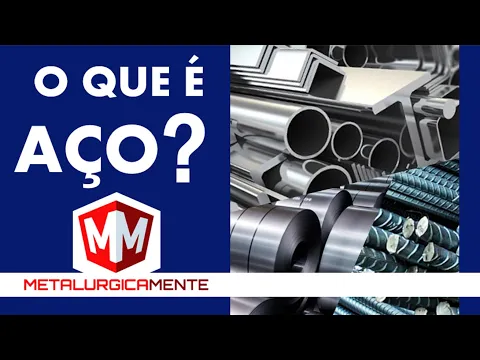

Very resistant to moisture and saltwater and capable of holding a lot of weight, the steel cable is the main choice for the naval and offshore industries, which includes companies like Gerdau with job opportunities in this area. Its use exposed to saltwater requires more maintenance to preserve its integrity and maintain efficiency. Many steel cables come pre-lubricated, both internally and externally, but over time, this lubrication needs to be reapplied.
-
Abandoned Factory in Rio’s North Zone Becomes Urban Hazard with Standing Water and Debris

-
The U.S. Navy Conducts Submarine Tests in Idaho Lake to Detect Underwater Noises Hidden by the Ocean

-
British Factory Transitions from Mechanical Parts to Producing 420,000 Electric Power Units Annually, Supplying 70% of Ford’s Electric Cars Sold in Europe
-
France Launches Network to Recycle 20 Million Cookware Pieces by 2027, Accepting All Brands for Aluminum and Coating Separation


“The steel cables, like other parts and machines, need to be lubricated to perform their work properly. This lubrication protects the cable against corrosion, fatigue from friction, keeps it moving, and makes its unwinding smooth”, explains Luiz Maldonado, CEO of Lubvap Special Lubricants, a distribution company with over 15 years in the industrial lubrication solutions market.
One of the main causes of steel cable breakage is its wear. Regular maintenance with lubricants ensures there is less resistance in the movement of the wires against one another, reducing corrosion and extending the lifespan of the material. “The ideal is to always maintain a routine for checking the condition of the cable. There is no standard interval since this depends on its use and the environment to which the material is exposed, but what we recommend is that whenever necessary, lubricate the external part of the cable to keep it in good condition,” concludes Maldonado.
High-Quality Lubricants Are Important for the Proper Operation of Steel Cables
The lubrication needs to be done with the correct lubricants, taking into account environmental conditions, the type of operation, and the method used. Additionally, the product needs to have a high capillarity power, penetrating into the core of the steel cable and lubricating the interior, thus preventing corrosion and oxidation. There are several brands that are recommended for this type of material, offering high performance, increased lifespan, and high adhesion, such as Rocol RD, Rocol Biogen Rope Guard, Kluber A61-1000, and Lubvap Wire Offshore and Lubvap 407, the latter two being 100% Brazilian brands, with a thixotropic characteristic, which behaves like quicksand, becoming softer when in motion and hardening when stationary. It is ideal to use the amount determined by the manufacturer, as excess lubricant on the cable ends up dirtying the equipment and the material being processed, as well as wasting the product.
The specialist also explains the procedure that should be followed before lubrication. “Attention must be paid to cleaning the cable before applying the product. Clean with a steel brush and do not use solvent, as they can remove the internal lubrication. Lubrication needs to be done along the entire length of the cable, including the ends, and can be done with a brush, rag, drip system, or spraying, whatever you find best,” concludes the CEO. There is also the option of a cable lubricator, recommended for situations where it is not possible to stop the equipment. Nationally produced equipment is already available, making it cheaper to purchase and ensuring efficiency, such as the Lubvapmatic SW.
Lubvap is a reference in the market for biodegradable lubricants for various sectors, such as Offshore, Agribusiness, and many others. Its product portfolio includes various options that meet any need, such as Biodegradable Special Greases; Hydraulic Fluids and, for gears, Cutting Fluids; Corrosion Protectants; Degreasers; and Biodegradable Hand Cleaners. Source: comunica.com.br