






 Portuguese
  Spanish


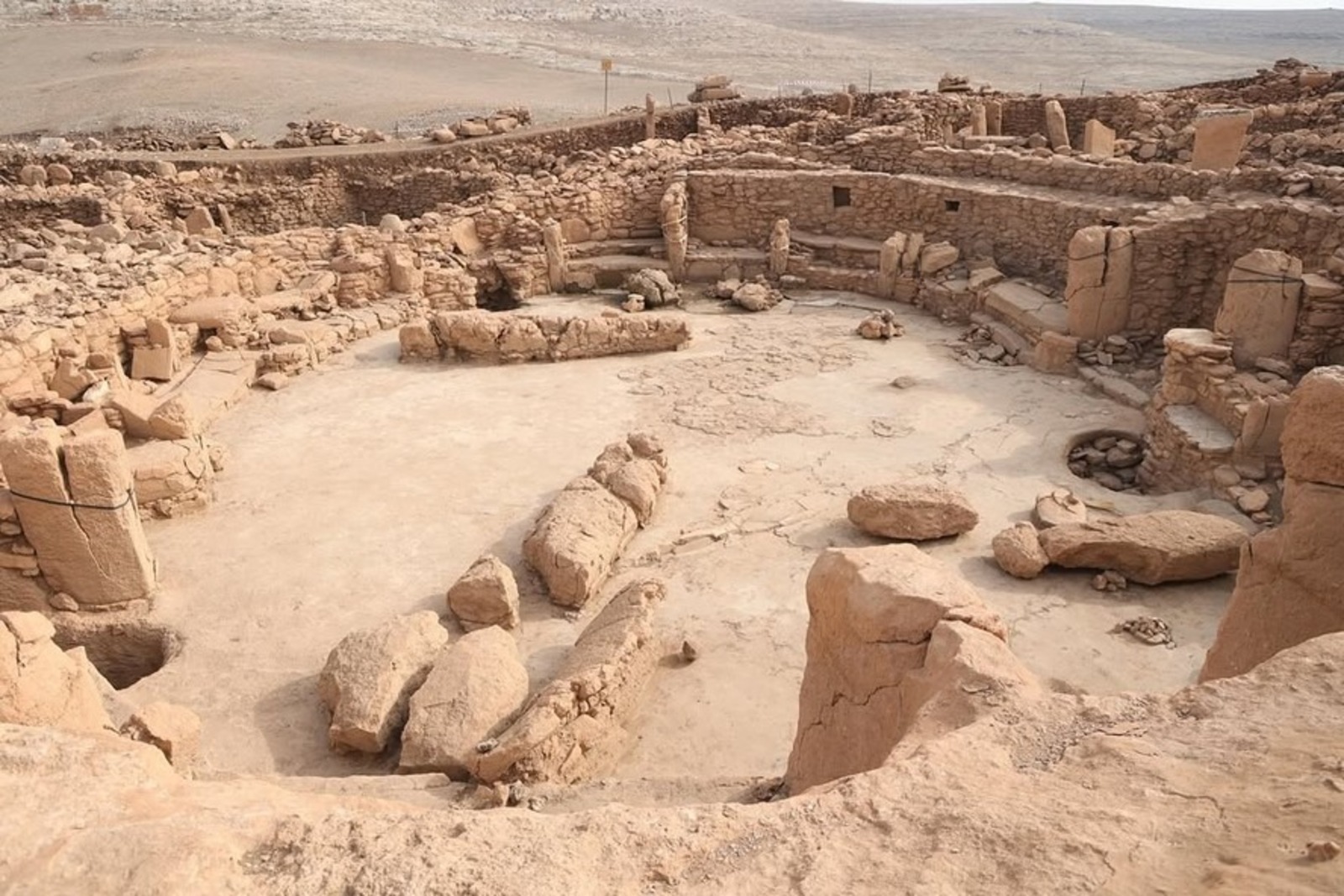


Discovery in Karahan Tepe Reveals Neolithic Structure Similar to an Amphitheater, with Human Figures Carved and Three Levels of Seating, Indicating Possible Community Gatherings and Symbolic Changes in the Region’s Early Societies
An ancient structure similar to an amphitheater was identified at the archaeological site of Karahan Tepe in southeastern Turkey. The information was disclosed by the Turkish Ministry of Culture and Tourism, which closely monitors the excavations in the region.
The discovery arose from research conducted by the Legacy for the Future project, an initiative that seeks to unveil spaces and figures used by the earliest Neolithic communities.
The team in charge is working to understand how these groups organized social, religious, and political life.
-
Brazilian Engineer Develops Affordable Custom 3D-Printed Prosthetics for Children and Teens, Operated by Elbow or Wrist Movement Without Batteries

-
China Left 51 Rocket Bodies in Low Earth Orbit Between 2021 and 2025, Doubling Previous Period, Report Warns of Space Debris Threatening Satellites for Decades
-
Brazilian Researcher Uses Low-Cost Sensors to Measure Cyclists’ Pollution Exposure in São Paulo

-
18 Iron Age gold coins discovered by a teacher using a metal detector in a Suffolk field sell for £33,200 at auction, exceeding estimates.


Phases of Settlement
According to archaeologist Necmi Karul, Karahan Tepe began to be occupied around 9,400 B.C. He explains that the site has three distinct phases of settlement, each with some type of residential or political structure.
The initial stage is marked by circular-shaped constructions. The second phase shows quadrangular buildings with rounded corners.
In the most recent phase, structures with straight corners appear, indicating changes over time.

Amphitheater and Symbolisms
The identified structure is about 17 meters wide. The space features human figures seated directly on the ground and also carved into the walls.
For archaeologists, this suggests an important symbolic transition, as earlier periods were dominated by representations of animals.
Karul states that this change would indicate a greater appreciation for the human figure. Additionally, he highlights that each excavation reinforces this interpretation, as more elements associated with the human body emerge.
“These are very unique discoveries, showing that prehistoric peoples increasingly focused on human figures over time,” the archaeologist said in an interview with Anadolu agency.

Indications of Community Gatherings
The building features three levels of wide seating and focal points arranged strategically.
Therefore, the shape resembles an amphitheater designed to bring together large groups, creating an architectural style that had not been observed in the region until now.
The ongoing restoration is expected to facilitate understanding of the entirety.
According to Karul, the arrangement of human and animal figures indicates that this space hosted many people. “If it were a temple, its function would have been more limited,” he stated.
Architectural Continuity
Furthermore, the archaeologist believes that this type of construction influenced later periods when amphitheaters began to emerge in other areas.
With the advancement of sedentary life, there was a growing need for structures that supported collective activities.
This movement likely led to the development of buildings created to strengthen social interaction.
With information from Revista Galileu.


