Portuguese
  Spanish



Trump Conditions Aid to Ukraine on Access to the Country’s Rare Minerals, Essential for High-Tech and Defense Industries, as Kiev Seeks to Integrate into the European Union Resource Strategy
In a move that could change the course of the war between Ukraine and Russia, U.S. President Donald Trump announced that Washington would continue providing financial and military aid to Ukraine to gain access to the country’s rare earth minerals.
The statement marked a new phase in negotiations between the two countries and sparked debate about the real interests of the U.S. in the region.
Trump made it clear, in a conversation with reporters, that Ukraine’s security against Russian aggression was tied to the availability of these natural resources.
-
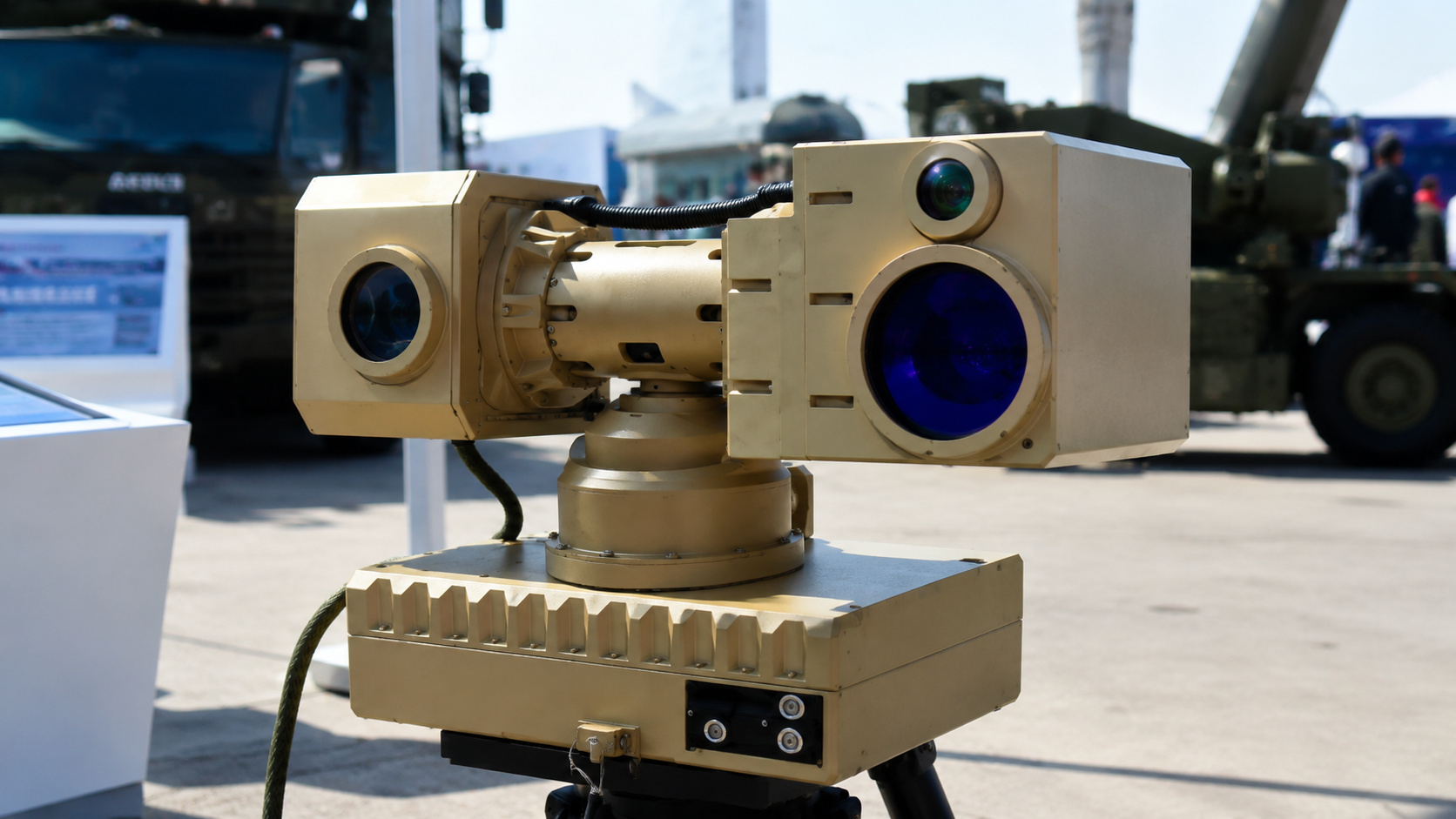
China Unveils Laser Weapon Capable of Instantly Neutralizing Military Drones, Marking a Significant Advancement in Air Defense Technology

-
U.S. Navy’s Ticonderoga-class Cruiser Becomes a 9,800-Ton Missile Fortress with Advanced Aegis System Capable of Tracking Hundreds of Targets

-
France’s Charles de Gaulle: The Sole Nuclear-Powered Aircraft Carrier Outside the US, Weighing 42,500 Tons and Equipped with Two Atomic Reactors

-
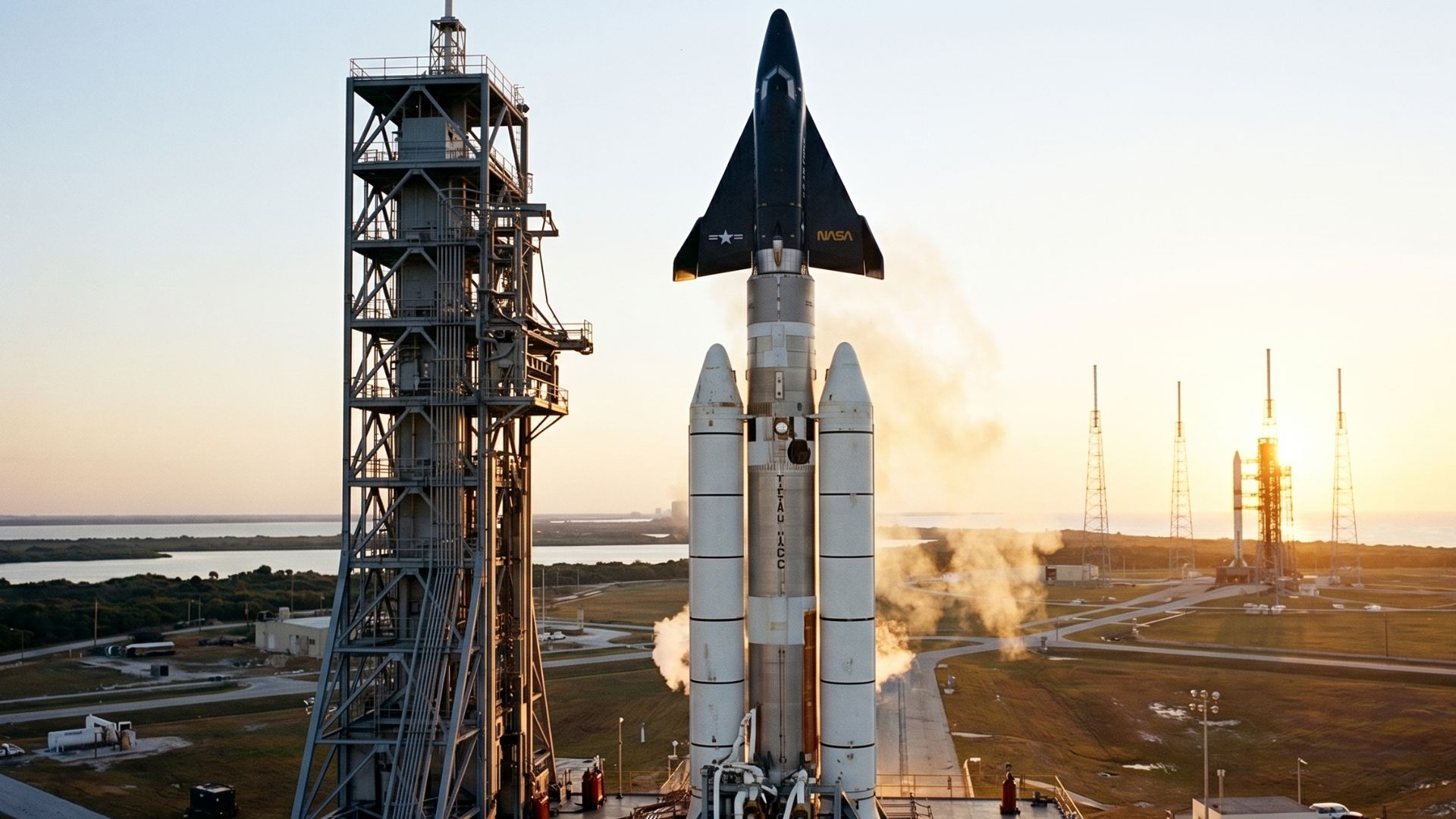
The military spaceplane that almost took the Cold War into orbit: Boeing X-20 Dyna-Soar was designed to re-enter above Mach 20, fly for up to 40 hours, land like a plane, and transform Titan rockets into a gateway to a new era of orbital warfare.


Ukraine, for its part, had already shown interest in negotiating access to its mineral wealth as a means of securing Western support.
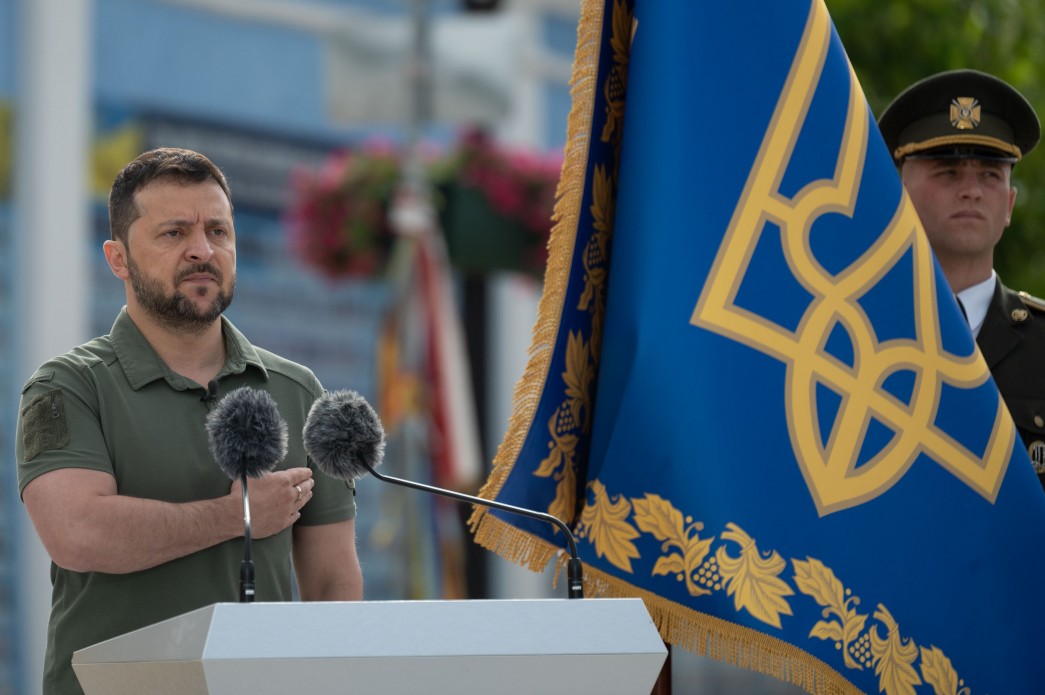
This was, in fact, a point emphasized by Ukrainian President Volodymyr Zelenskyy at the end of last year during the presentation of his “victory plan.”
Rare Earth Minerals
Rare earth minerals are essential for various modern industries, from smartphone manufacturing to the production of weapons and aerospace devices.
Ukraine, with its vast reserves, positions itself as a potential global supplier of strategic materials, including titanium, lithium, gallium, and uranium.
These resources are fundamental for the manufacturing of batteries, semiconductors, and other high-tech products, such as those used in electric vehicles and military equipment.
Currently, China controls most of these minerals in the global market, supplying about 40% of the European Union’s needs.
To reduce dependence on China, the United States and Europe have been working to increase production in other countries, particularly Ukraine.
The country’s mineral wealth is seen as an opportunity to strengthen the global supply chain and reduce vulnerability to geopolitical crises.
Ukraine and the Integration Plan in Europe
The country has been working to position itself as a key supplier of essential minerals. At a recent conference, former Ukrainian infrastructure minister Oleksandr Kubrakov highlighted Ukraine’s strategic advantages, such as its geographic location, developed infrastructure, and expertise in natural resource exploration.
“We possess crucial resources and are well-positioned within the context of the European Union,” Kubrakov stated.
However, the transition to a sustainable and profitable exploration model requires political and regulatory stability.
Ukraine has already begun publishing data on its mineral reserves and is creating a regulatory framework to facilitate the exploration of these resources.
“Our strategic goal is to integrate Ukraine into the European Union’s resource strategy,” said Olena Kramarenko, Ukraine’s Deputy Minister for Environmental Protection.
Challenges and Obstacles
The biggest obstacle to fully leveraging Ukraine’s mineral resources, however, remains the war with Russia.
Some of the main rare mineral reserves are located in areas currently controlled by Russian forces, such as Zaporizhzhia and Donetsk.
It is estimated that Russia has strategic interests in these reserves, especially those of lithium, a crucial material for battery production and other essential technologies.
Experts point out that recovering these areas, in addition to being crucial for Ukrainian sovereignty, would be fundamental to ensuring total control over the country’s mineral resources.
However, the Russian presence in occupied regions will complicate efforts to exploit them and bring uncertainties about Ukraine’s economic future.
With information from DW.