Portuguese
  Spanish


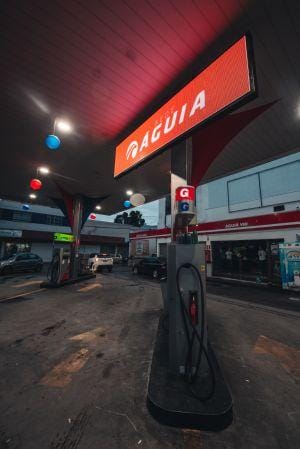

In Brazil, Over 42 Thousand Gas Stations Adopt LED Billboards, Modernizing The POS With Advanced Communication Technologies And Local Advertising Campaigns, Says Danniel Xavier.
Across Brazil, gas stations are modernizing their points of sale (POS) with the installation of LED panels. This innovative technology not only enhances the customer experience, but also enables the display of advertising campaigns and information in a more dynamic and appealing way. The technological transformation of these environments aligns with the growing demand for modern and effective visual communication.
LED panels are redefining how gas stations interact with customers, providing a more interactive and informative environment. Additionally, the introduction of solutions such as LED displays and LED screens allows for greater versatility in content presentation. With this technology, stations can broadcast exclusive promotions, product information, and even real-time news. This evolution is crucial for maintaining competitiveness and relevance in today’s market.
Revolution of DOOH in Brazil
The Out-of-Home (DOOH) segment is undergoing a significant transformation due to technological innovations that redefine how information and offers are communicated to the public. In Brazil, with over 42 thousand gas stations spread throughout the country, advanced communication technologies represent a tremendous opportunity to improve interaction with consumers.
-
Sales of Brazil’s Cheapest Electric Car Halted Before First Deliveries: E-Motors Suspends Emova Easy Due to Import Tax Increase and Rising Freight Costs

-
Nissan Discontinues Qashqai SUV Amid Cost-Cutting, Chinese Competition, and Product Line Review

-
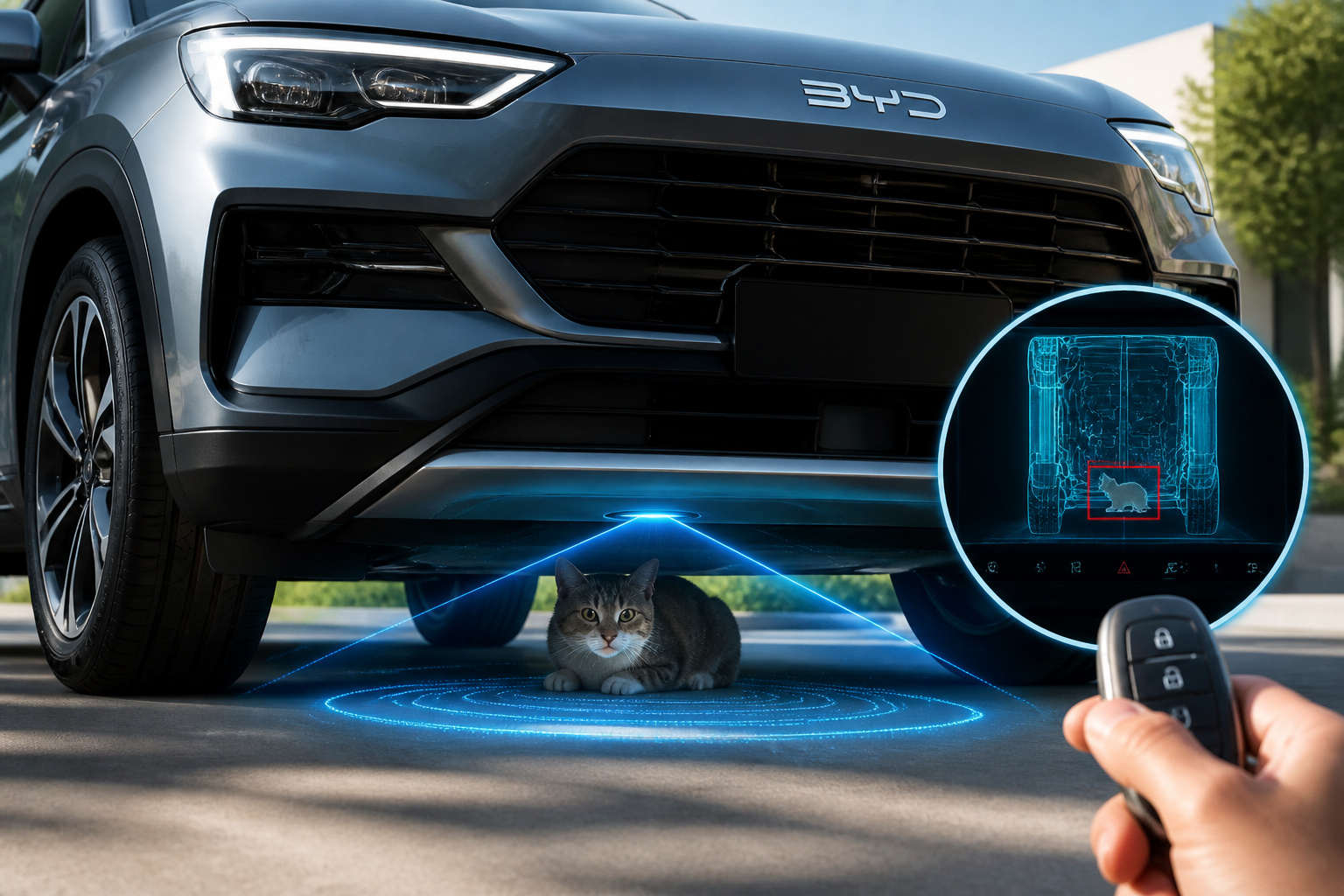
BYD Patents Revolutionary System Using Computer Vision to Detect Animals Under Cars Before Starting, Preventing Tragedies

-
Study Reveals Why Cars Are More Expensive to Produce and Buy in Brazil Compared to Mexico, Highlighting Taxes, Logistics, and Industrial Costs as Key Factors.



Impact of LED Panels on Communications
A clear example of this change is the growing use of LED panels. These devices stand out for their ability to display various content instantly, efficiently, and visually appealing. In an environment where efficiency and visual appeal are crucial, LED panels offer a modern and practical solution for managing information and promoting offers effectively. According to Danniel Xavier, CEO of LED Expert, a startup located in Minas Gerais that sells LED panels nationwide, real-time information updates are one of the greatest benefits of this technology.
Advantages of Real-Time Updates
‘The ability to update fuel prices, promotions, and messages as needed ensures both agility and accuracy’, says Xavier. Additionally, this technology can elevate the average ticket of products. The flexibility of LED panels allows gas stations to display various messages throughout the day, including special offers, loyalty programs, and local advertising campaigns. These features contribute to a adaptation to the needs and preferences of the target audience, helping to attract and retain customers.
Durability and Robustness of LED Panels
Another crucial advantage of LED panels is their durability and resistance to adverse weather conditions. This attribute is essential for panels used in outdoor environments, such as gas stations, ensuring the maintenance of image quality regardless of the weather. For operators of gas stations, investing in LED panels represents a significant modernization of the point of sale with reduced maintenance costs.
Modernization and Efficiency
‘The technology not only enhances the appearance of the stations but also simplifies the management of information and promotions, resulting in a more efficient and appealing operation’, concludes Xavier. Current market figures also reinforce the growth and importance of this sector. It is estimated that the global LED panel market, valued at approximately US$ 16.4 billion in 2023, is expected to reach around US$ 31 billion by 2032, with a compound annual growth rate (CAGR) of 7.3%.
Market Expansion
This growth is primarily driven by the increasing demand for LED displays in advertising, entertainment, and other diverse applications, reflecting the ongoing expansion of the use of these digital display technologies across various sectors. For more information and details, visit: https://www.ledexpert.com.br/.
Source: © Imprensa Engenharia de Comunicação