Portuguese
  Spanish


France has begun sea trials of the De Grasse, a new nuclear attack submarine capable of silently patrolling the ocean depths for months, a piece of a silent fleet that few countries in the world can build.
There is a class of weapons so powerful and discreet that their greatest strength lies precisely in not being seen, the nuclear attack submarines. And France has just taken an important step to renew its fleet of these silent giants. The French Navy has begun sea trials of the submarine De Grasse, which has left the Cherbourg base for the first time.
The tests will continue throughout 2026, the year when the submarine is expected to be officially delivered. It is part of France’s effort to modernize its fleet of nuclear-powered attack submarines, pieces capable of hunting and patrolling under the oceans for long periods, almost impossible to detect. It is a select club, of which few powers are part.
The force that lives hidden in the depths
A nuclear submarine attack is one of the most sophisticated war machines that exist. Powered by an atomic reactor, it does not need to surface to refuel and can remain submerged for months, covering enormous distances in silence. Its mission is to hunt ships and other submarines, gather information, and, if necessary, attack, all without ever revealing its position.
-
Poland’s Massive Tank and Artillery Purchases Make It Europe’s Largest Land Army Overnight

-
Indonesia Recovers Underwater Spy Drone, Sparking Debate: Is It a Machine or a Warship?
-
UK, Italy, and Japan Collaborate to Build Stealth Fighter Jet Set to Dominate Skies by 2035
-
South Korea Surpasses Germany, Its Former Submarine Mentor, by Advancing to Nuclear Submarines


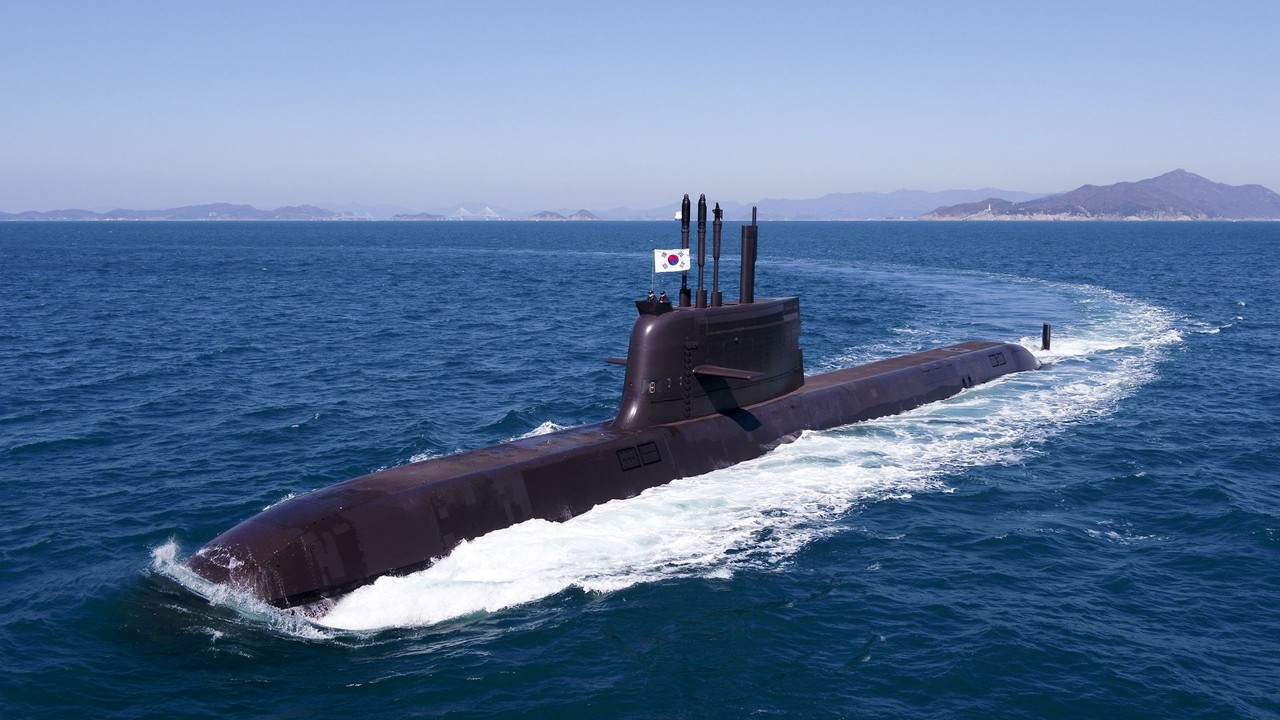
I confess there is something fascinating and frightening about the idea of such a powerful machine hidden in the depths, with no one knowing where it is. It is precisely this silence that makes the De Grasse and its siblings so feared. An adversary never knows if there is one of these submarines nearby, and this uncertainty alone is already one of the most powerful strategic weapons.
To better understand the function of this type of submarine, it is worth separating the two main roles they fulfill. The nuclear submarine attack, like the De Grasse, is the hunter: fast and silent, it pursues enemy ships and submarines, escorts the fleet, and gathers information in sensitive territories. It is different from submarines that carry long-range nuclear missiles, whose mission is only to hide and serve as a deterrent. The De Grasse belongs to the first category, the agile predators of the oceans, made to act and not just to hide. This distinction helps to understand why France invests so much in these machines: they give the navy the ability to project power and monitor the seas anywhere on the planet, with a discretion that no other weapon offers.
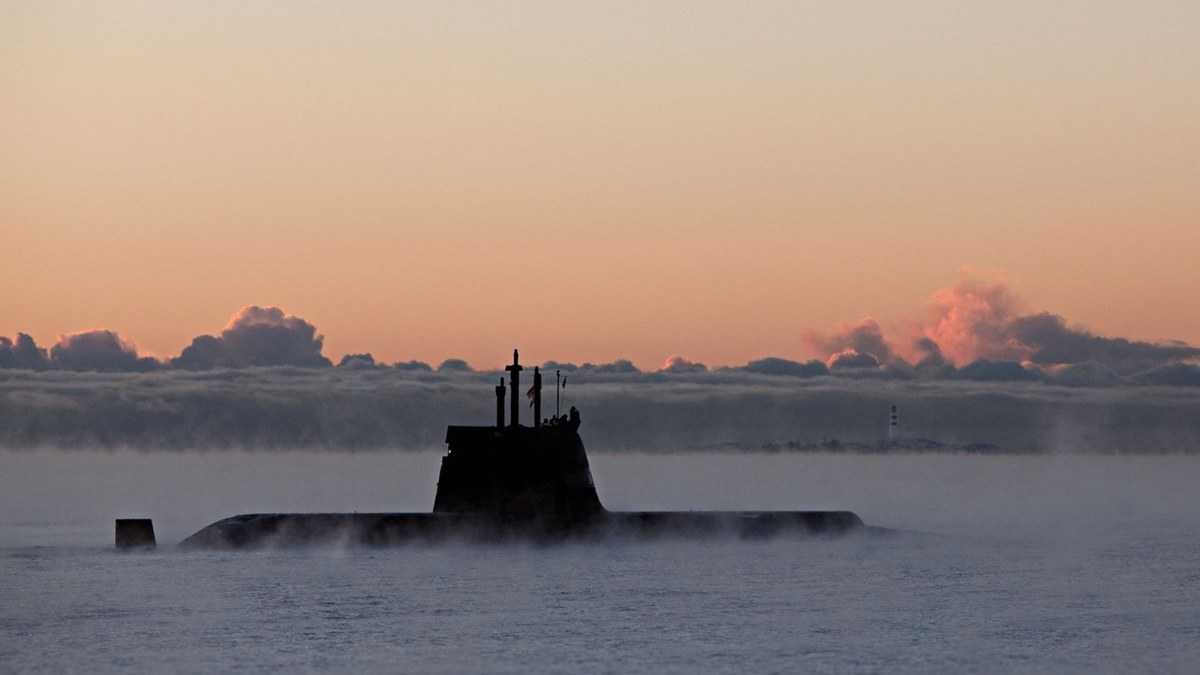
Why so few countries master this
Building a nuclear submarine is one of the greatest challenges of human engineering, and that is why very few nations in the world can do it. It is necessary to master the technology of a compact and safe atomic reactor, the engineering of a hull that withstands the pressure of the depths, and the silent systems that keep the machine invisible. All this combined into a single project, which costs billions.
France is part of this restricted group of countries, alongside powers like the United States, Russia, China, and the United Kingdom. Maintaining this capability is a matter of pride and national sovereignty because it ensures the country a place among the great military powers. The De Grasse is proof that France continues to master one of the most difficult and strategic technologies that exist.
The importance of renewing the fleet
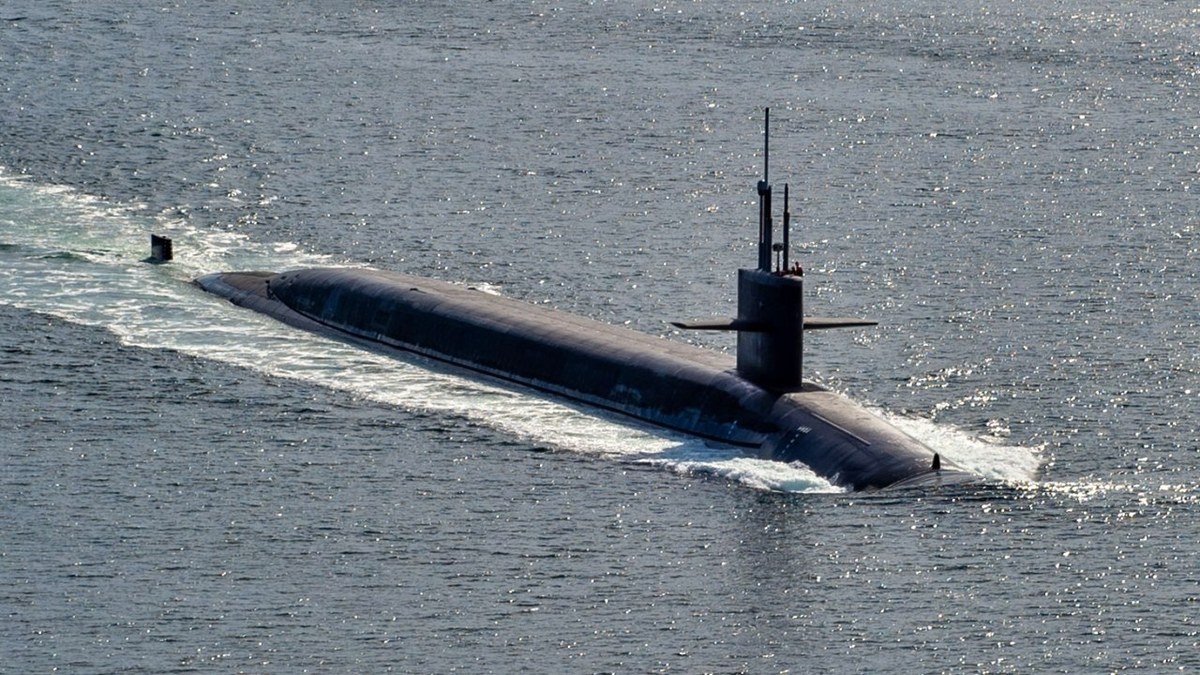
Like any machine, submarines age and need to be replaced. The entry of the De Grasse is part of a plan to renew France’s fleet of attack submarines, keeping its navy modern and capable for the coming decades. These programs take many years and require enormous investments, planned well in advance.
Renewing the fleet is not a luxury, it is a necessity. In a world of growing tensions and rapidly evolving military technologies, having modern submarines is essential to defend a country’s interests at sea. The tests of the De Grasse mark another step in this continuous effort by France to keep its silent force ready and updated to face the challenges that may come.
Sea trials, by the way, are a much longer and more delicate stage than it seems. Before a submarine enters service, it needs to prove that each of its systems works perfectly in real ocean conditions. It takes months checking the reactor, sensors, weapons, the ability to dive to great depths, and operate in absolute silence. Any small failure needs to be identified and corrected before the crew trusts their lives to that machine in the depths. That is why the tests of the De Grasse will extend throughout the year, in a meticulous process that separates a newly-built hull from a war machine truly ready to patrol the seas.
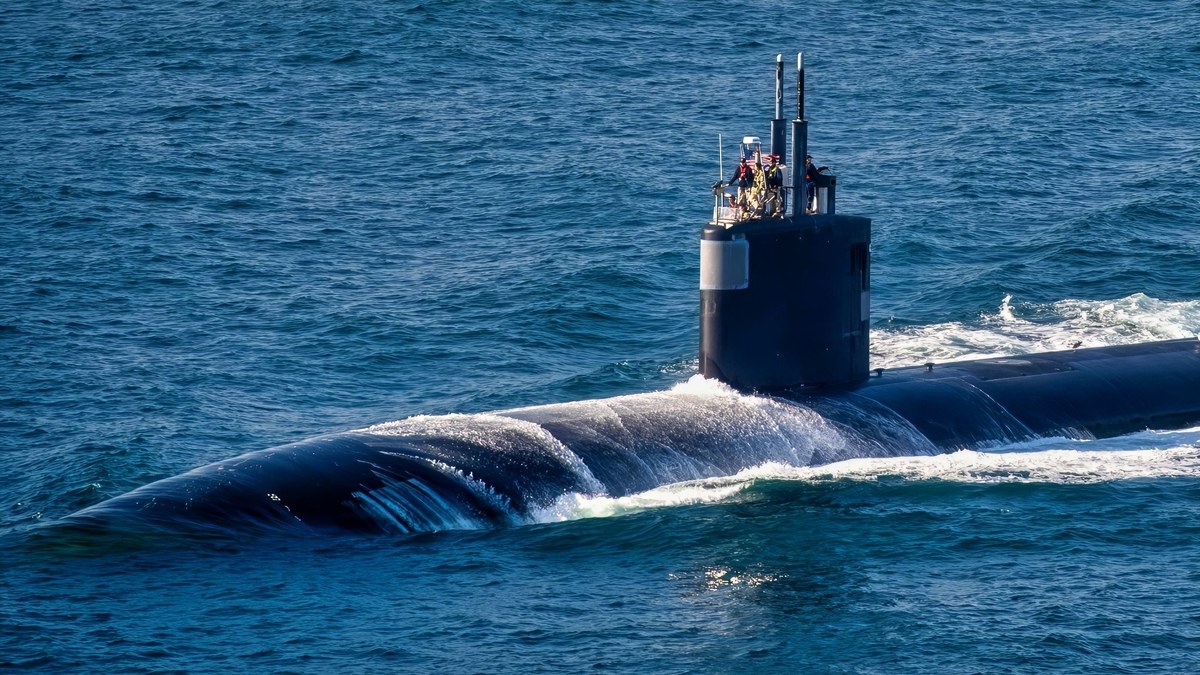
The silent giant on its way to the sea
I imagine the feeling of seeing such a colossus glide through the water for the first time, knowing that soon it will disappear into the depths and spend months hidden, watching the oceans without anyone noticing. It is a discreet and absolute power, exercised in the silence of the ocean floor, away from any spotlight.
The De Grasse is more than a new submarine, it is the renewal of a capability that places France among the largest naval powers on the planet. When it finally enters service, it will reinforce the silent force that patrols the seas, reminding the world that sometimes the most powerful weapons are precisely those that no one can see.
Have you ever stopped to think about the power of a machine capable of hiding for months at the bottom of the ocean?