Portuguese
  Spanish


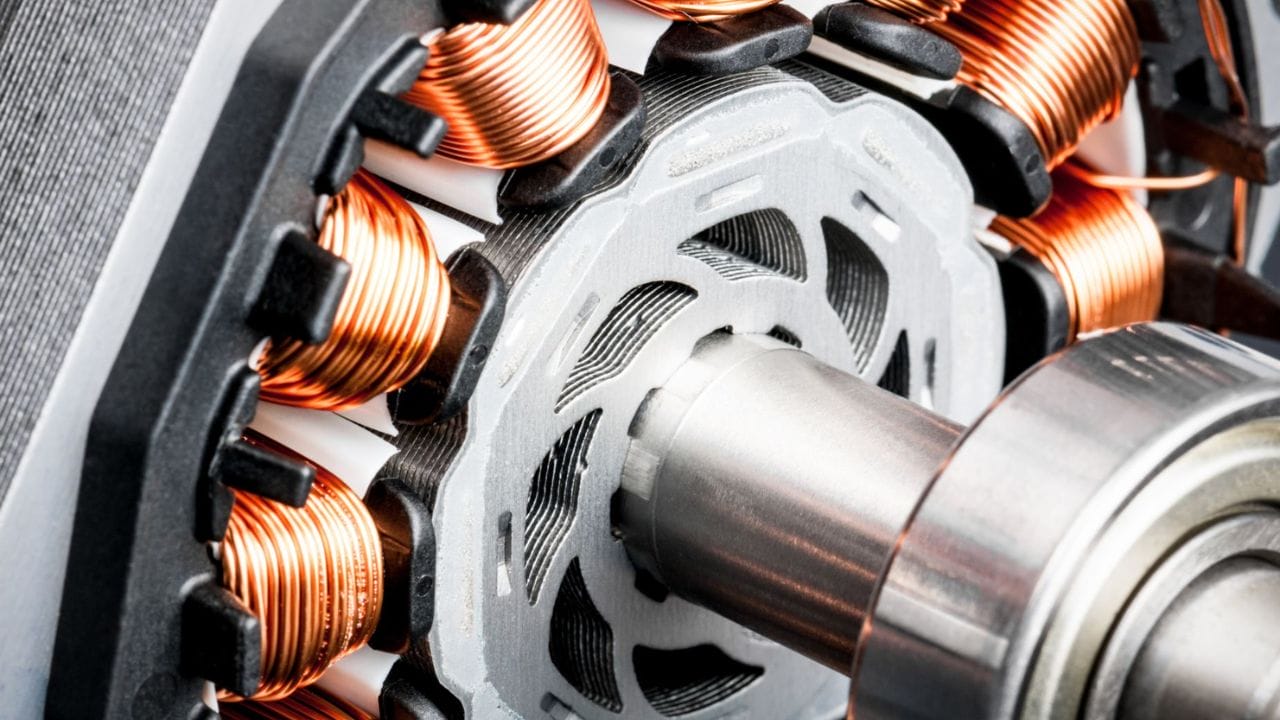

In The World Of Engineering, Brushless Motors Are Gaining Spotlight For Their Efficiency And Durability. These Motors, Which Stand Out From Conventional Ones By Not Having Brushes And Commutators, Are Increasingly Present In Various Applications, From Drones To Electric Vehicles.
The Brushless Motor, Or Brushless Motor, Represents A Significant Innovation In The Field Of Electric Motors. Unlike Conventional Direct Current Motors, Which Have Brushes And Commutators To Generate Motion, Brushless Motors Operate With An Electronic System That Eliminates The Need For These Mechanical Components.
This Fundamental Difference Brings Several Advantages; In A Traditional Direct Current Motor, The Brushes Make Contact With The Commutator, Causing Friction And Wear Over Time, Which Eventually Leads To The Need For Maintenance Or Replacement. On The Other Hand, Brushless Motors, By Not Having These Moving Parts Subject To Wear, Have A Longer Lifespan And Suffer Less Energy Loss Due To Friction.
How Brushless Motors Work

The Operation Of Brushless Motors Is Based On The Interaction Between The Stator, Which Contains Fixed Coils, And The Rotor, Equipped With Permanent Magnets. When Energy Is Applied To The Stator, The Electronically Controlled Magnetic Field Moves The Rotor. This Process Is Carried Out By An Electronic Board That Alternates The Polarity Of The Coils, Creating A Continuous And Smooth Motion.
-
Sales of Brazil’s Cheapest Electric Car Halted Before First Deliveries: E-Motors Suspends Emova Easy Due to Import Tax Increase and Rising Freight Costs

-
Nissan Discontinues Qashqai SUV Amid Cost-Cutting, Chinese Competition, and Product Line Review

-
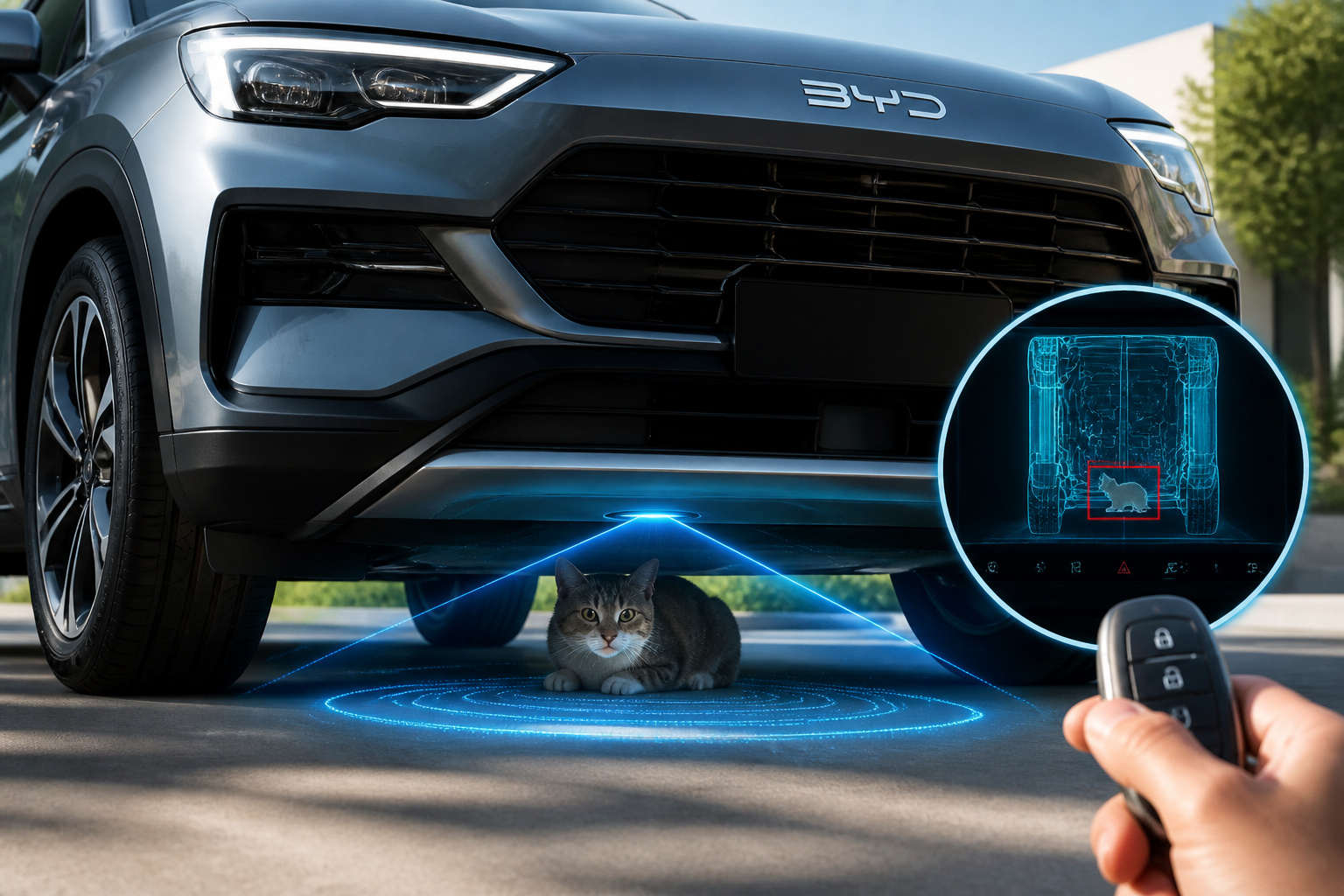
BYD Patents Revolutionary System Using Computer Vision to Detect Animals Under Cars Before Starting, Preventing Tragedies

-
Study Reveals Why Cars Are More Expensive to Produce and Buy in Brazil Compared to Mexico, Highlighting Taxes, Logistics, and Industrial Costs as Key Factors.



Brushless Motors Are Widely Used In A Variety Of Applications. Drones, For Example, Benefit From The Lightness And Efficiency Of These Motors, While In Computers, They Are Used In Coolers For Precise And Efficient Rotations. And Of Course, Electric Vehicles Such As Cars, Bicycles, And Electric Scooters Opt For Brushless Motors Due To Their Efficiency And Ability To Provide Instant Torque.
Other Applications
In Addition To Vehicles, Brushless Motors Have Applications In Power Tools, Such As Cordless Drills, Vacuum Cleaners, And In Household Appliances Such As Washing Machines And Dryers, Where Their Energy Efficiency And Reduced Mechanical Wear Are Highly Valued. They Are Also Essential In Cooling Systems And In Industrial Applications, Such As Pumps, Compressors, And Manufacturing Equipment, Ensuring Efficient And Reliable Operations.
The Nature Of Brushless Motors Requires Electronic Control For Efficient And Precise Operation. Depending On The Application, They Can Be Connected In Different Ways, Whether By Two Contacts For Simple On/Off Operations Or By Three Wires In More Complex Systems That Use Electronic Speed Controllers (ESC) To Adjust The Power Delivered To The Coils. These Controllers Maintain Synchronization And Optimize The Motor Performance.
Brushless Motors Represent A Significant Advancement In Motor Technology, Offering Greater Efficiency, Reduced Maintenance Needs, And A Smoother And Quieter Operation. With Their Growing Adoption In Various Areas, From Robotics To The Automotive Industry, They Are Defining The Future Of Motor Design And Engineering.