





 Portuguese
  English
  Spanish
  3 min of reading


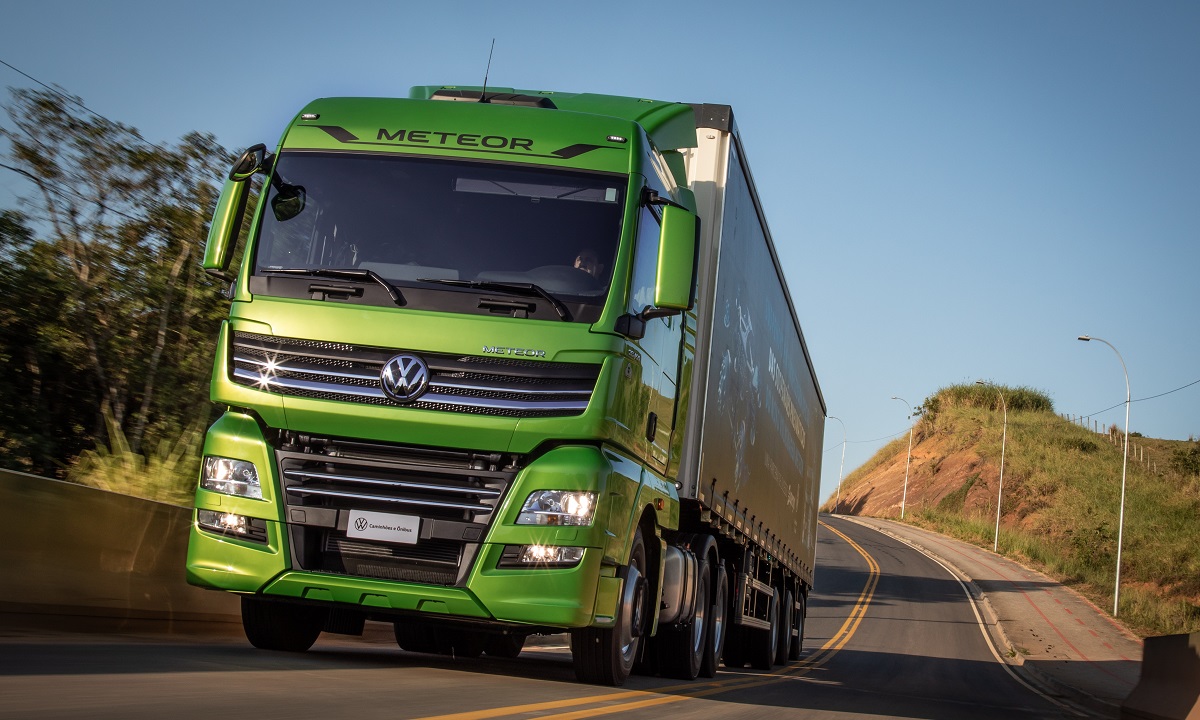
The Volkswagen Project Is Currently Offering 100 Units of Trucks and Monthly Plans That Vary in Price
The multinational Volkswagen Trucks and Buses and Volkswagen Financial Services (VWFS) launched a truck rental subscription program, known as VW Truck Rental, this Thursday (8/25). The project offers six truck models, and the monthly plans range from R$ 3,967 to R$ 15,999.
According to Volkswagen, the project is the first of its kind offered by an automaker in Brazil. The initial program will start with 100 trucks available for subscribers.
The contracts are for periods of 36 or 60 months and guarantee the maintenance of the trucks, insurance, documentation, IPVA, and dry cargo or box body. To allocate the trucks, customers will be able to rent through the multinational’s website or at authorized Volkswagen dealerships throughout Brazil.
-
Electric car in 2026? Simulation of BYD Dolphin Mini shows financing with a down payment of R$ 83,993

-
Porsche transforms Toy Story 5 into a spectacle on wheels and unveils three unique 911s inspired by Woody, Buzz Lightyear, and Jessie.

-
Nissan launches Value Advantage in Brazil and surprises car owners out of warranty with a new brand of automotive items certified by Japanese engineering.
-
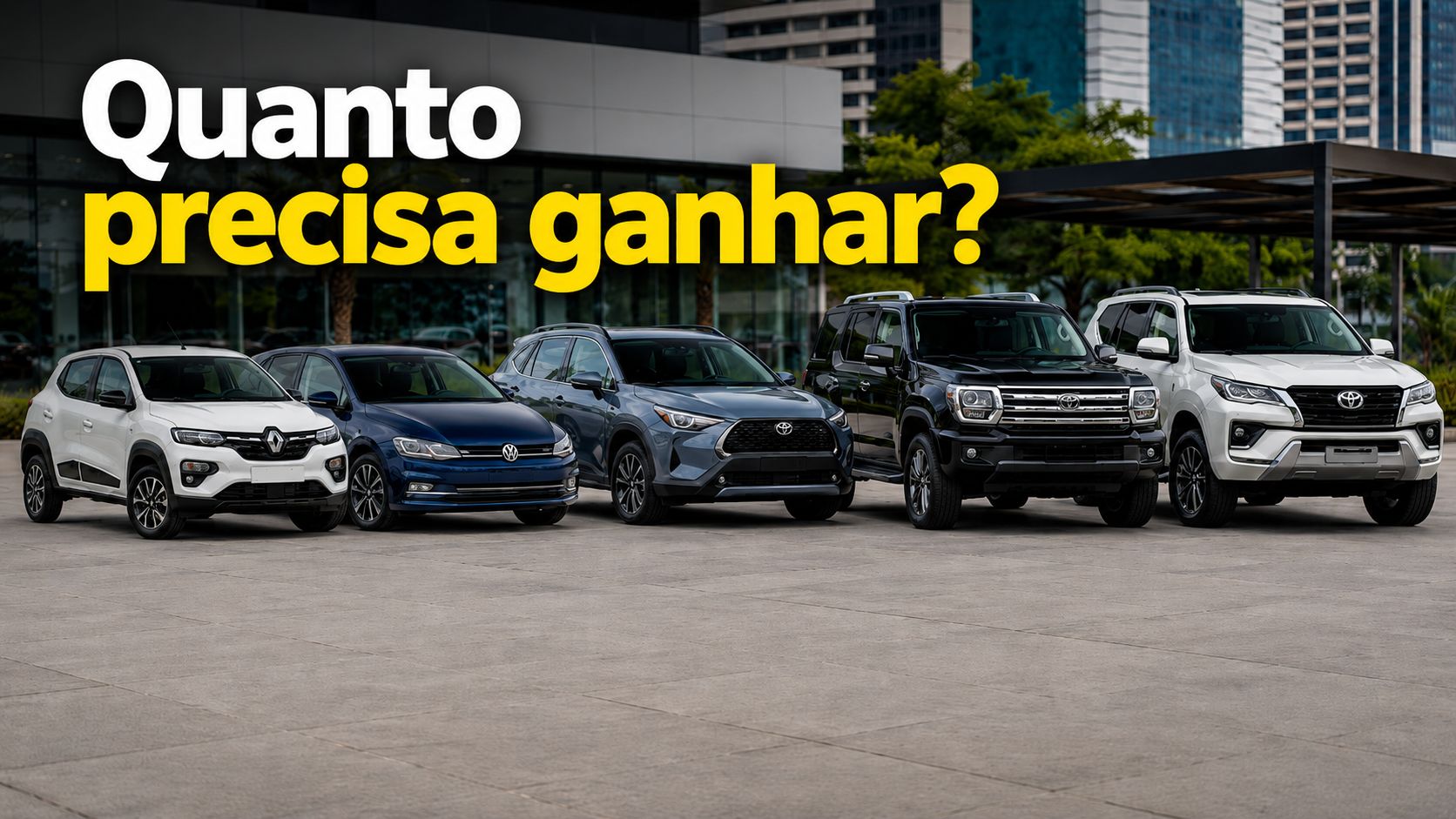
How much do you need to earn to maintain Kwid, Polo, Corolla Cross, Haval H9, and Toyota SW4 on finance?


According to the Vice President of Sales, Marketing, and Services, Ricardo Alouche, Volkswagen’s program initially targets existing customers, including small and large companies, but the project aims at independent truck drivers, especially for credit analysis for truck rentals.
For the director, the program aims to simplify truck rentals, as the credit grant for a truck is approximately R$ 300,000. With the rental project, customers will only need to prove their ability to pay the truck rental fees.
Below, check out the models of trucks available for rent;
- VW Delivery Express and 11.180;
- VW Constellation 17.190 Robust, 24.280, and 25.460;
- VW Meteor 28.460.
Volkswagen Multinational Will Use Biomethane in Its Factories in São Paulo
About four months ago, the multinational Volkswagen signed an agreement with Bradesco for a bank loan linked to commitments regarding environmental, social, and corporate governance (ESG), involving a reduction in fossil CO₂ emissions from its industrial operations. A few weeks ago, Raízen announced the installation of a new biogas factory in Piracicaba (SP). From this unit, the biomethane that Volkswagen commits to buying will be produced to start replacing fossil gas in two units in São Paulo State, Taubaté and São Bernardo do Campo, according to the Click Petroleo E Gas website.
The production of biomethane is expected to begin next year, and an ESG practice has changed the relationship between companies. While it brings together sectors that previously had no common interests, it provokes new discussions among companies that already had agreements.
The commitments made by two companies, Volkswagen and Yara, one of the world’s largest fertilizer producers, for the use of renewable energies, will support the initial phase of Raízen’s new biomethane factory operation. Volkswagen and Yara will each take half of the biomethane production in Piracicaba, which is expected to start next year.
In the case of Volkswagen, according to the company, the use of biomethane will reduce CO₂ emissions by more than 90% compared to natural gas. The Taubaté and São Bernardo units will collectively use more than 50,000 cubic meters of biomethane daily, starting in 2023 and 2024, respectively. Thus, both units will cease emitting about 19,000 tons of fossil CO₂ annually.
Pablo Di Si, president of the multinational in Latin America, notes that the vehicle painting area primarily operates with natural gas.
According to the multinational, the same pipeline currently used by Comgás to transport gas to these facilities will be used for biomethane transportation, which, in Raízen’s case, will be generated from agricultural waste in an industrial park where the company already has an ethanol plant. Di Si states he is fascinated by what he has learned about ethanol since he began research on the fuel three years ago.







Be the first to react!