Portuguese
  Spanish


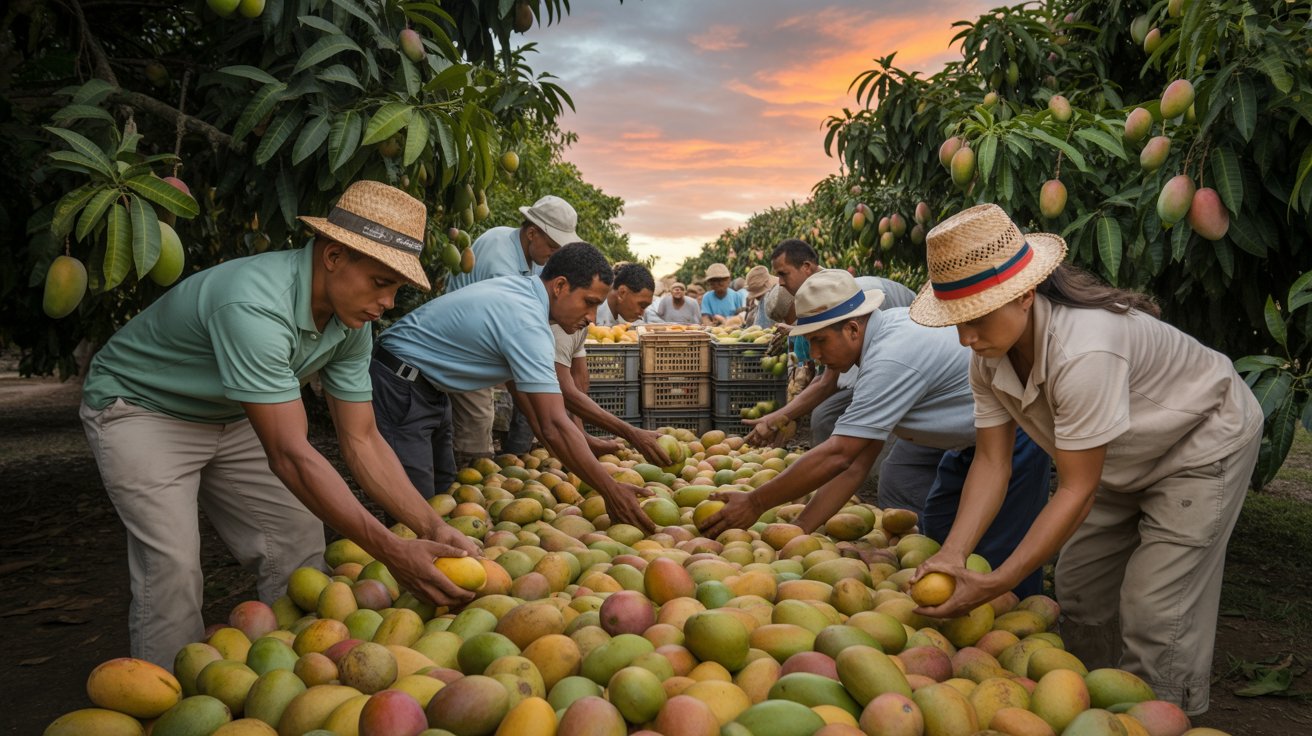


With Over US$ 350 Million in International Sales Just from Mango, Brazil Consolidates Its Prominent Position in Global Fruit Production, Leading with Shipments to the United Kingdom, USA, and Europe.
On World Fruit Day, celebrated on July 1st, Brazil reaffirms its leading role in the international market with mango as the most exported fruit of the country in 2024, totaling over US$ 350 million in sales and more than 1 million tons of fresh and processed fruits shipped.
Brazilian fruits are gaining prominence on the national agribusiness export agenda. According to data from the Ministry of Agriculture and Livestock (Mapa), the country generated US$ 1.38 billion from fruit exports in 2024, a figure that reinforces the importance of the sector in the trade balance.
Among the exported fruits, mango stands out as the flagship. There were over US$ 350 million in shipments of the fruit, with the main markets being the European Union, United States, and United Kingdom. This significant volume positions Brazil as one of the largest global exporters of the variety.
-
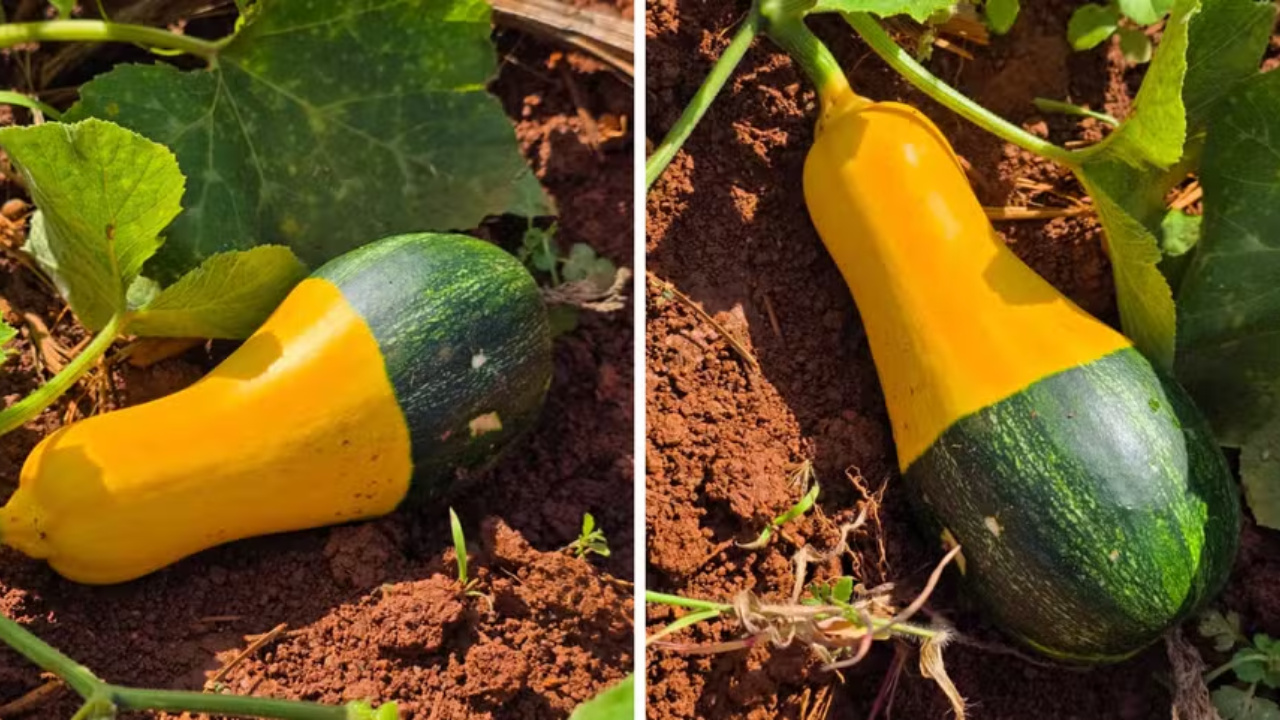
Bicolor Pumpkin Resembling Hand-Painted Art Discovered by Brazilian Researchers in the Capital Due to “Spontaneous Mutation”

-
In China, a 26-story building produces 1.2 million pigs annually, revolutionizing livestock farming with tube feeding and AI surveillance.

-
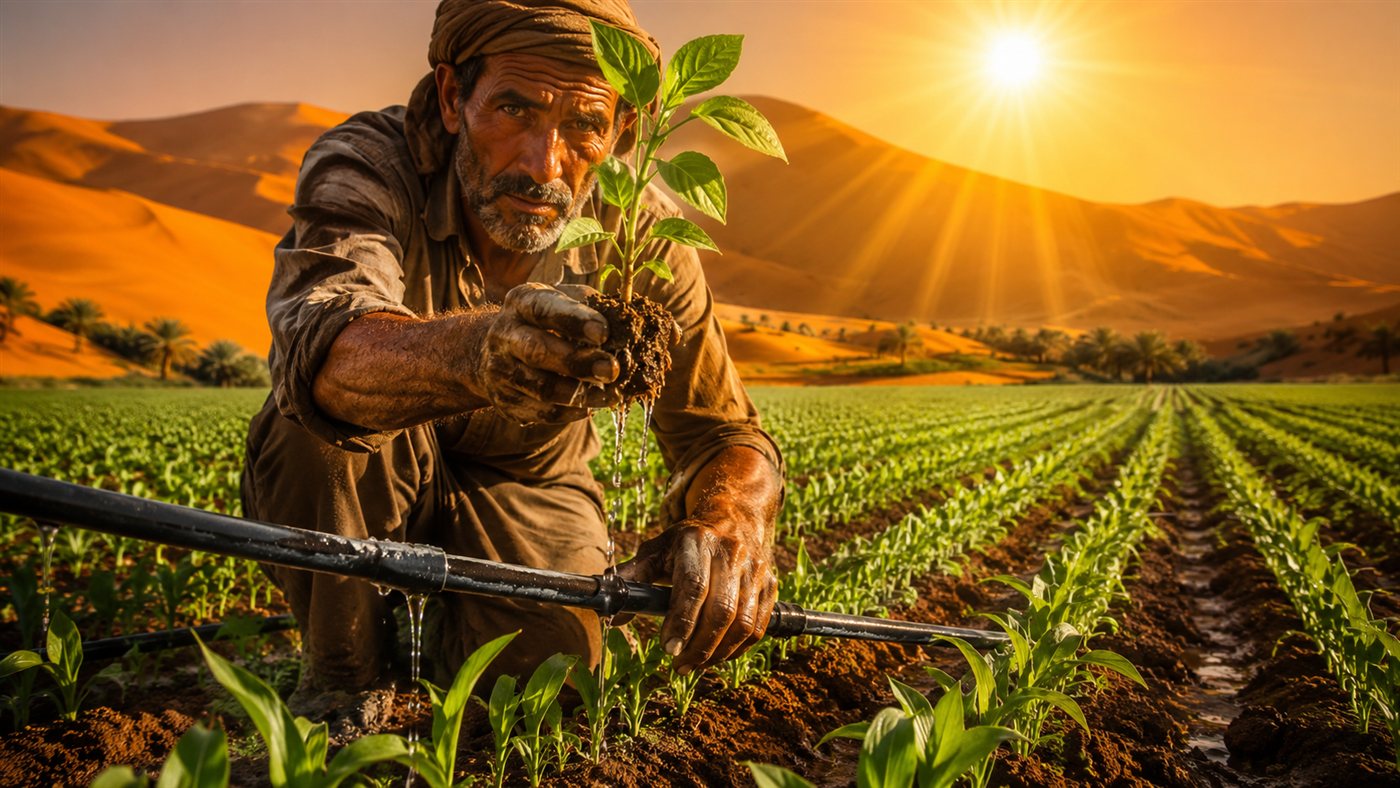
With Nearly 60% Desert, Israel Desalinates Seawater and Recycles 90% of Wastewater to Build a Billion-Dollar Agricultural Powerhouse in Dates and Cotton
-
74-Hour Barbecue in Brazil Sets World Record: 3.4 Tons of Meat, 10,500 Meals Served



This performance was celebrated by Brazilian authorities, who took advantage of the date to reinforce support for fruit production. During the launch of the 2025/2026 Crop Plan, Minister Carlos Fávaro emphasized the government’s effort to increase financing and technical support for fruit producers.
Northeast Leads Exports and Expands International Presence
The Northeast region continues to be the main producer and exporter of fruits in Brazil. States like Pernambuco and Bahia concentrate a large part of the mango production destined for export, thanks to the favorable climate and infrastructure geared toward exports.
In addition to mango, the country also exports grapes, lemons, limes, and canned fruit preparations. However, mango’s prominence is driven both by its quality and the growing demand in international markets for tropical fruits.
The trend is one of growth, with the government and sector entities projecting an increase in Brazilian competitiveness in the global market. The investment in technology, logistics, and international certifications is one of the pillars to expand participation in exports.
Climate Favors the Expansion of Fruit Production in Brazil
Although it also imports fruits such as apples, pears, and kiwis, Brazil has increased domestic production of these varieties, especially in the Southeast and South regions. The temperate climate in these areas has favored the diversification of national fruit production.


According to the Brazilian Association of Exporters of Fruits and Derivatives (Abrafrutas), crops such as apples, pears, blueberries, and peaches have shown significant growth in recent years. This advancement may help reduce dependence on imports and expand the export portfolio in the future.
The information was disclosed by the portal Compre Rural, with official data from Mapa and Abrafrutas, in the context of World Fruit Day and the launch of the Crop Plan 25/26. The highlight of mango reaffirms Brazil’s agricultural potential on the international stage and the advances of national fruit production.