Portuguese
  Spanish


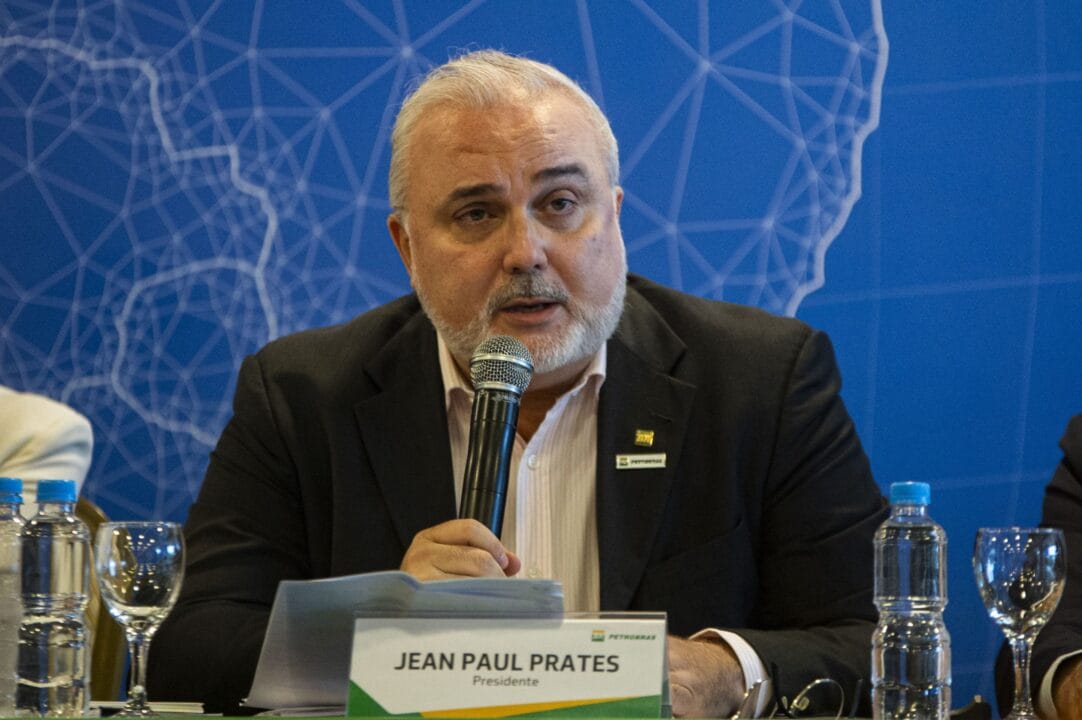

President Jean Paul Prates Instigates Administrative Procedure at the Energy Company in Collaboration with the Office of the Comptroller General. Value Reduction in Sales Process.
Petrobras is conducting an internal analysis to assess the viability of selling the Mataripe Refinery (BA) to Acelen in 2021, as confirmed by President Jean Paul Prates. The audit by the Office of the Comptroller General (CGU) resulted in criticisms regarding the sale, which was finalized below Petrobras’s own valuation, and generated media repercussions.
The divestment of the Mataripe Refinery amidst the pandemic and the devaluation of oil barrel prices highlight the challenges faced by Petrobras and the impact on global production chains. The conclusion of the deal at a challenging time demonstrates the company’s strategy to adjust its operations and seek resource optimization.
Sale of the Mataripe Refinery by Petrobras Causes Controversy
The Office of the Comptroller General conducted an internal investigation regarding Petrobras’s divestment in the Mataripe Refinery, concluding that the company took a risk by proceeding with the sale process amidst the pandemic. This fact resulted in the value reduction of the operation, which raised questions and controversies regarding the agreed value with Mubadala Capital, the sovereign fund of the United Arab Emirates involved in the deal. This is a topic that has generated intense debates, as the final agreed value has been questioned by the Federal Court of Accounts (TCU).
-
Oil production grows in Rio, but reserve replacement raises a warning sign

-
Petrobras is expected to complete the drilling of the Morpho well in the Foz do Amazonas in August 2026, the first well in the Equatorial Margin, an oil frontier that the ANP estimates at more than 30 billion barrels and could redraw the map of Brazil.

-
Oil returns to the center of concerns with tension between the US and Iran

-
IEA reduces forecast for global oil demand in 2026 after impacts of the Middle East crisis



The divestment process of Petrobras in refineries has been a subject of significant controversy, with various entities questioning the agreed value and the involved administrative procedures. According to the Unified Federation of Oil Workers (FUP), the sale of the former Landulpho Alves Refinery (Rlam) for a value 45% lower than calculated by Petrobras raised questions and lawsuits seeking punishment for the responsible executives.
Furthermore, the sale of Petrobras’s refineries has raised concerns regarding Brazil’s bilateral relations with the United Arab Emirates, as well as with the entities involved in the divestment process. Brazil’s imminent entry into OPEC+ in 2024, a group of oil exporters from the Persian Gulf, has also fueled the debate and controversy regarding the refinery sales.
Office of the Comptroller General and Refinery Sales
The Office of the Comptroller General conducted an internal investigation regarding Petrobras’s divestment in the Mataripe Refinery, concluding that the company took a risk by proceeding with the sale process amidst the pandemic. This fact resulted in the reduction of the operation’s value, which raised questions and controversies regarding the agreed value with Mubadala Capital, the sovereign fund of the United Arab Emirates involved in the deal. This is a topic that has generated intense debates, as the final agreed value has been questioned by the Federal Court of Accounts (TCU).
The administrative procedure initiated for the assessment of this specific divestment is under review by the relevant integrity departments within the company. Furthermore, Petrobras is collaborating with the investigations of the oversight bodies regarding the sale of the refinery. The company’s CEO, Jean Paul Prates, reiterated the importance of clarifying the circumstances surrounding the refinery sale amidst requests for legal action and controversies related to the values practiced in the deal.
Amid all these controversies, Petrobras is in talks with Mubadala regarding a possible repurchase of the asset, signaling a shift in strategy regarding refinery sales. Additionally, Brazil’s entry into OPEC+ and the new bilateral relations resulting from these transactions have also sparked significant discussions regarding Petrobras’s divestment process.
Petrobras’s Divestments and the Involved Controversies
The Office of the Comptroller General conducted an internal investigation regarding Petrobras’s divestment in the Mataripe Refinery, concluding that the company took a risk by proceeding with the sale process amidst the pandemic. This fact resulted in the reduction of the operation’s value, which raised questions and controversies regarding the agreed value with Mubadala Capital, the sovereign fund of the United Arab Emirates involved in the deal. This is a topic that has generated intense debates, as the final agreed value has been questioned by the Federal Court of Accounts (TCU).
The sale of Petrobras’s refineries has been the subject of controversy and debates, with various entities questioning the agreed value and the involved administrative procedures. Bilateral relations, changes in administration, and the possible economic and geopolitical impacts resulting from these transactions have also generated significant discussion regarding the sales of the refineries.
It is important to clarify that there is already an administrative procedure established for the assessment of this specific deal, under review by the relevant integrity departments within the company. The CEO of Petrobras reiterated the importance of collaborating with the investigations of oversight bodies regarding the refinery sale, emphasizing the seriousness and transparency in the state-owned enterprise’s divestment process.
Source: EPBR