Portuguese
  Spanish


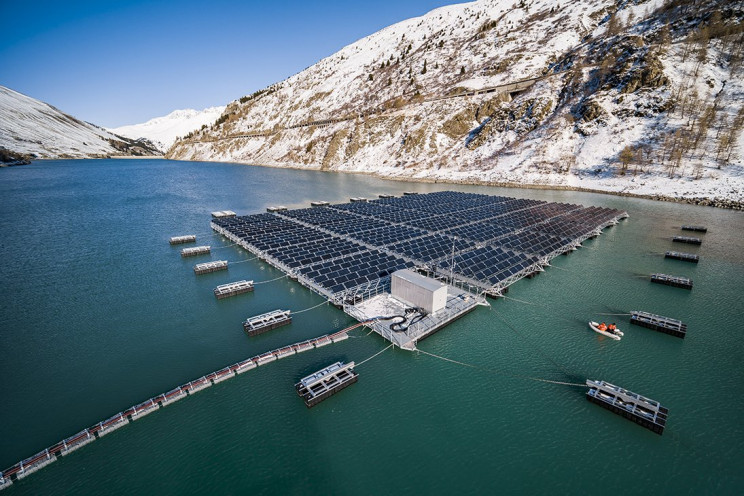

Floating Solar Power Plant Installed on Mountain Generates Up to 50% More Solar Energy with the Same Solar Panels
Environmental protection is a global concern. Sometimes, a lot of physical space is needed for the construction of a modern solar power plant, a situation that can become an issue in some countries. Because of this, solar energy is being integrated into locations that initially serve a different purpose, reducing costs and being more environmentally friendly environmentally.
Read Also
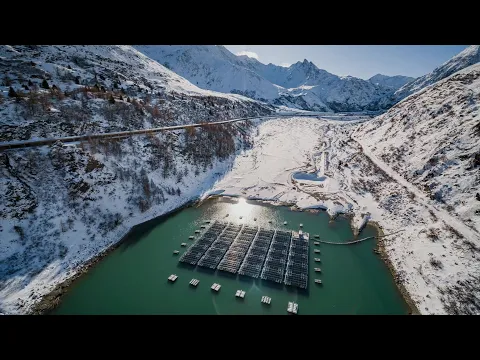
A great example of alternative space usage for the implementation of solar energy technology is Romande Energie, a company that installed a solar power plant on a lake in Switzerland. The solar power plant was built on a lake 1800 meters above sea level.
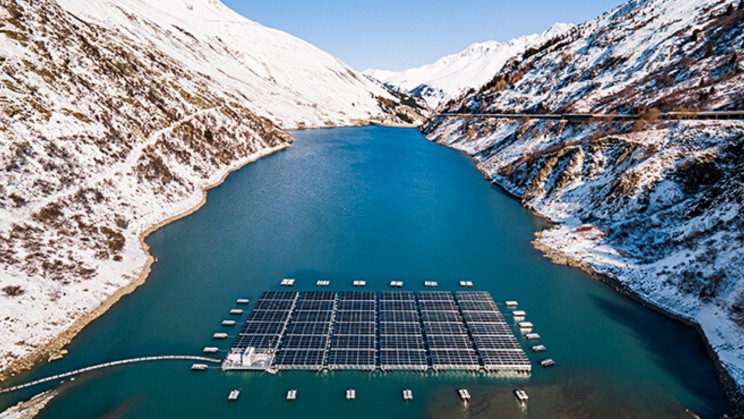
The project consists of 36 floating barges, having over 2,000 square meters of solar panels. Additionally, it also has the capacity to produce up to 800 megawatt-hours per year, enough to power 225 homes. The project even won the Swins Watt D’or award, being recognized as the best innovation project in renewable energy.
-
Brazilian scientists are simultaneously advancing two research projects on clean hydrogen and driving solutions that could transform the energy matrix, enhance industrial competitiveness, and accelerate large-scale emission reduction targets.

-
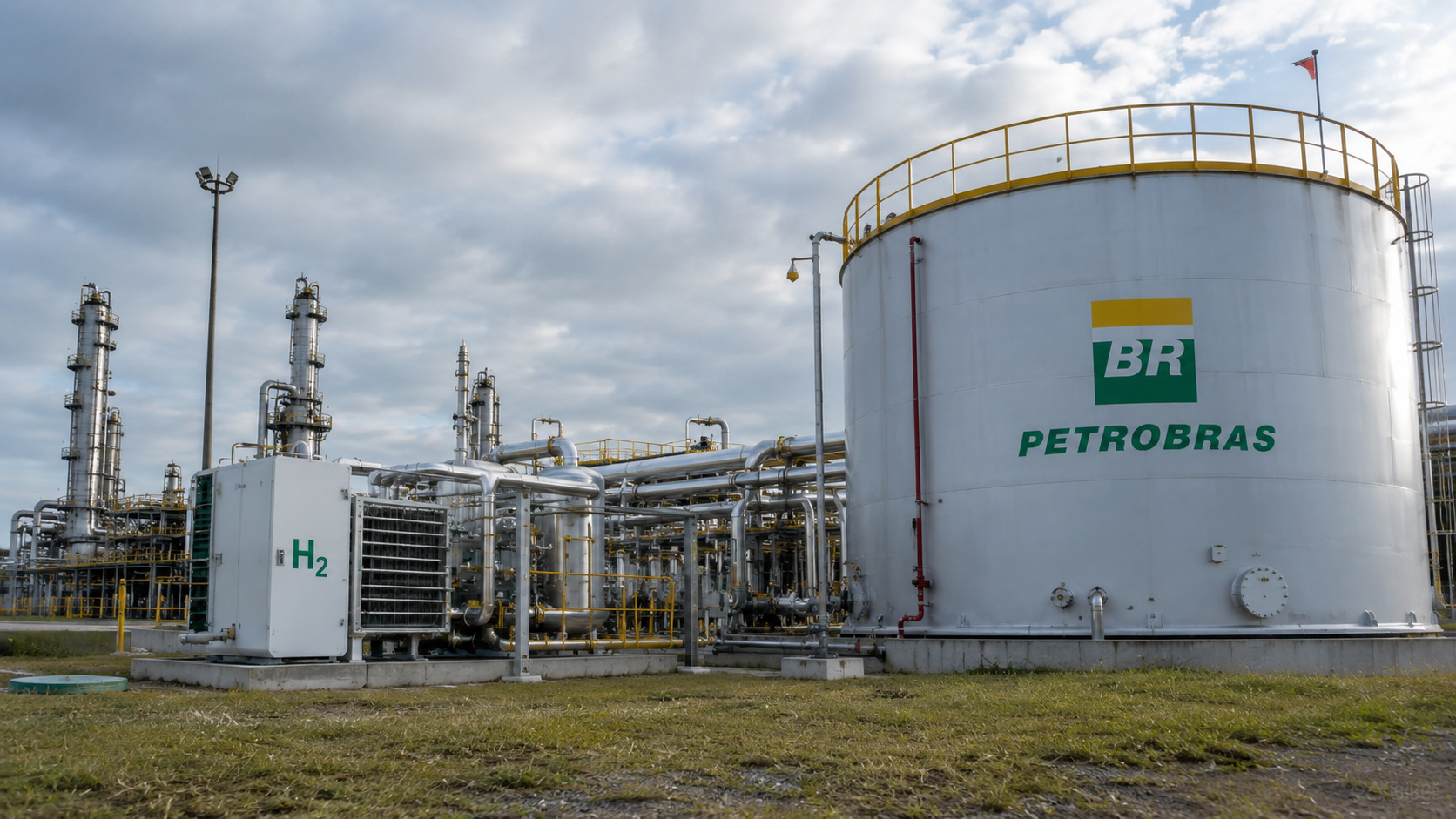
Advancement in renewable energy: A R$ 150 million project launched by Petrobras and Finep aims to create state-of-the-art electrolyzers for green hydrogen, strengthening national research and preparing Brazil to compete in a billion-dollar energy market.
-
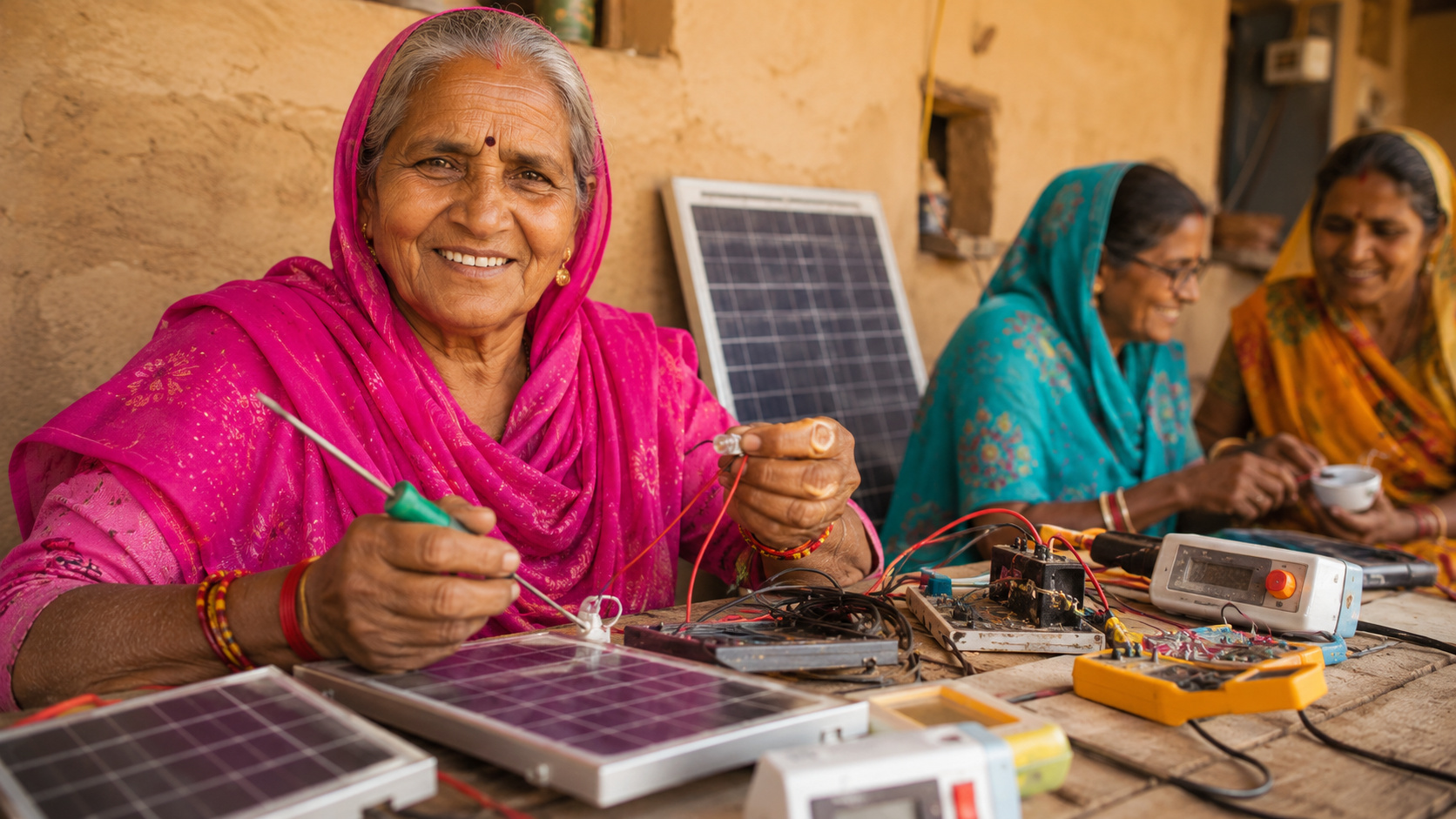
Illiterate or semi-literate grandmothers were trained to repair solar systems, open rural workshops, and light up homes that still depended on kerosene.
-
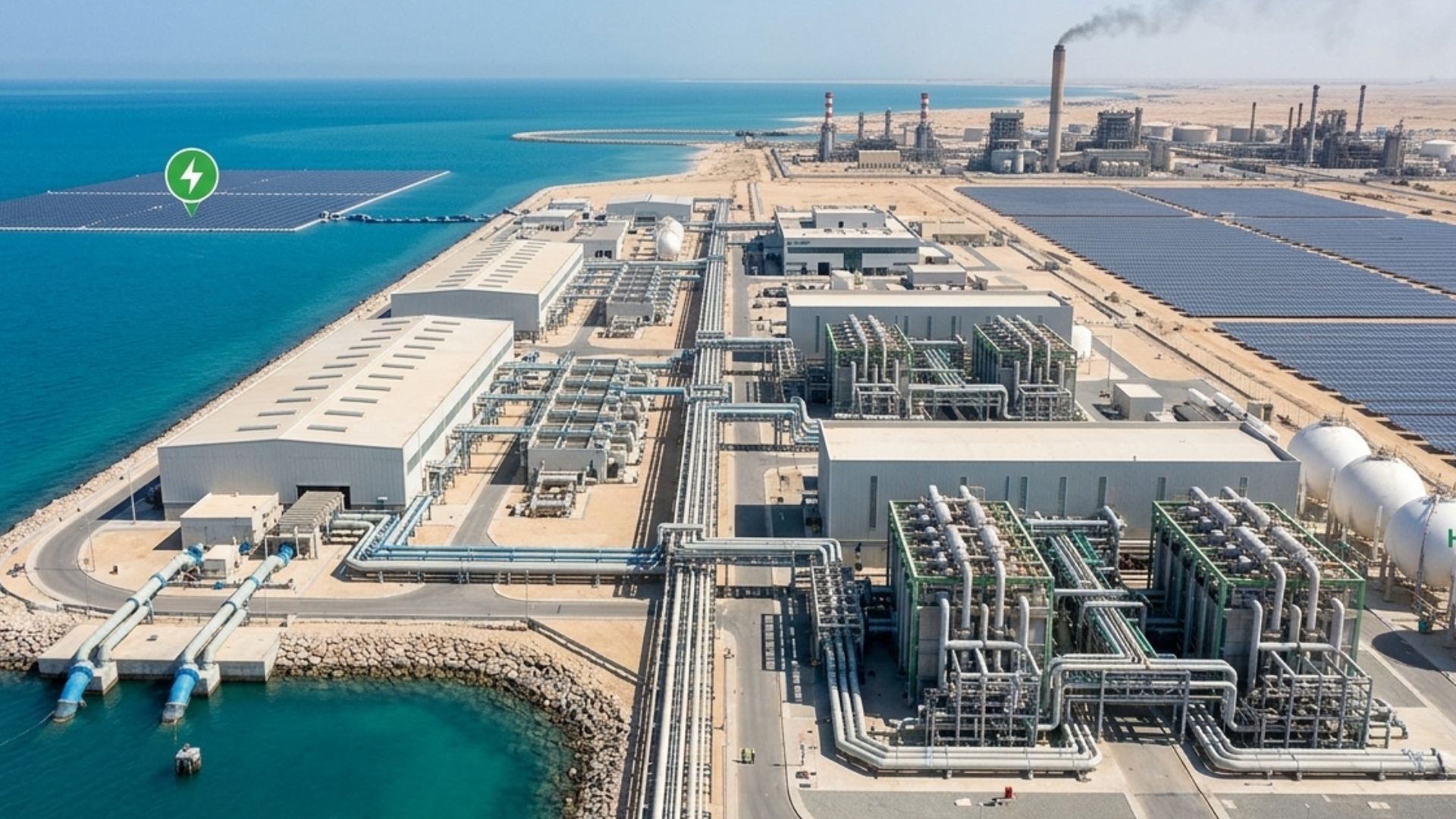
The world has bet on green hydrogen as the fuel of the future, but now faces the side effect: producing 1 kilogram requires about 9 liters of ultrapure water, and the largest projects on the planet are precisely in the driest regions of the Earth, where water is already scarce for people.


The solar plant at this altitude has some important advantages that make it much more efficient than those located much closer to sea level. The main reason is that, being at a high altitude, sunlight radiation is much stronger.
According to Romande Energie, the numbers prove this. Solar panels situated at high altitudes can collect up to 50% more energy than those that are near sea level.
The floating solar power plant project at high altitude has been tested for two years. The idea is to collect data and search for the best ways to replicate the model around the world. Watch the video of the project below.

Companies Seek to Implement Solar Panels in Alternative Spaces
With the growth of wind energy on the planet, companies in the sector are seeking ways to implement power plants more quickly on a global scale. Floating solar panels are a major bet. In addition to not needing exclusive land for the sector, they also help lakes and rivers by preventing significant water evaporation.