Portuguese
  Spanish




The US Secretary of Defense Unveiled Plans to Modernize the Armed Forces With New Technologies and Strategies
The new Secretary of Defense of the United States, Pete Hegseth, delivered an important message at the Pentagon on February 7, 2025.
He emphasized the urgent need to modernize the defense industrial base, streamline the acquisition process, improve military readiness, and ensure financial accountability in the Department of Defense.
Reform in the Acquisition Process and Defense Modernization
One of the main issues addressed by Hegseth was the inefficiency of the military acquisition system. Despite high investments in defense programs, many have failed to produce the desired impact in war simulations.
-
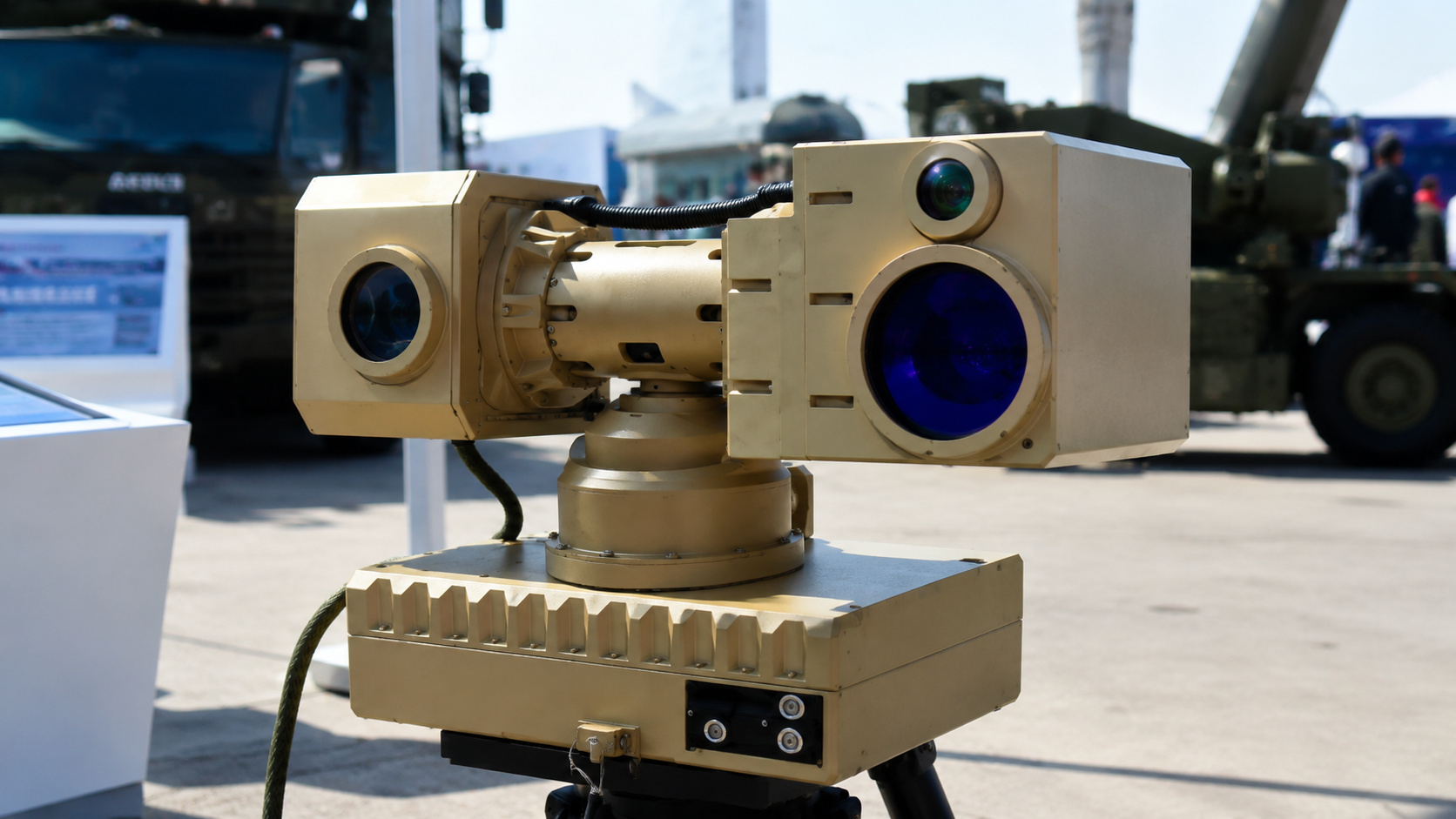
China Unveils Laser Weapon Capable of Instantly Neutralizing Military Drones, Marking a Significant Advancement in Air Defense Technology

-
U.S. Navy’s Ticonderoga-class Cruiser Becomes a 9,800-Ton Missile Fortress with Advanced Aegis System Capable of Tracking Hundreds of Targets

-
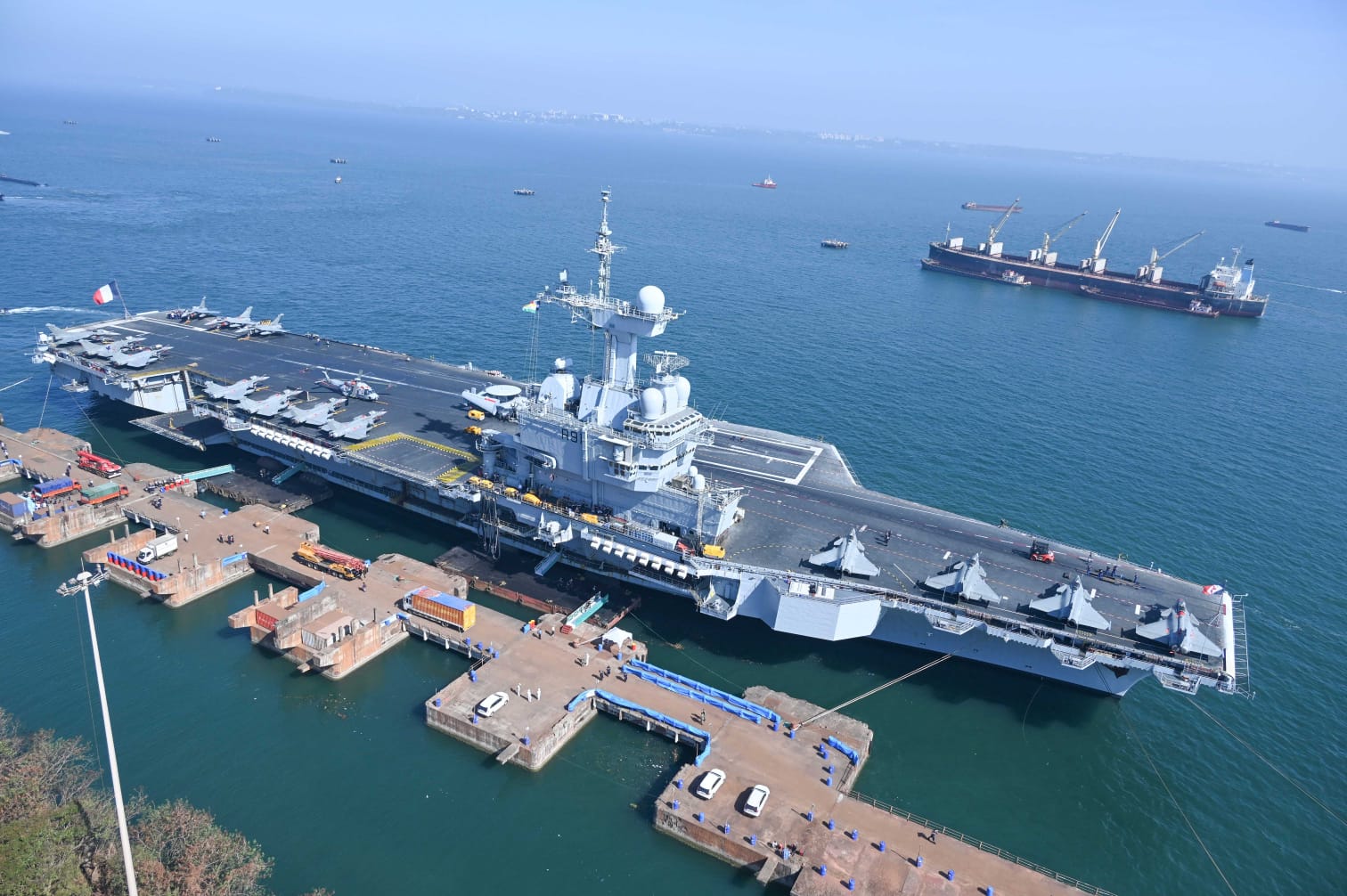
France’s Charles de Gaulle: The Sole Nuclear-Powered Aircraft Carrier Outside the US, Weighing 42,500 Tons and Equipped with Two Atomic Reactors

-
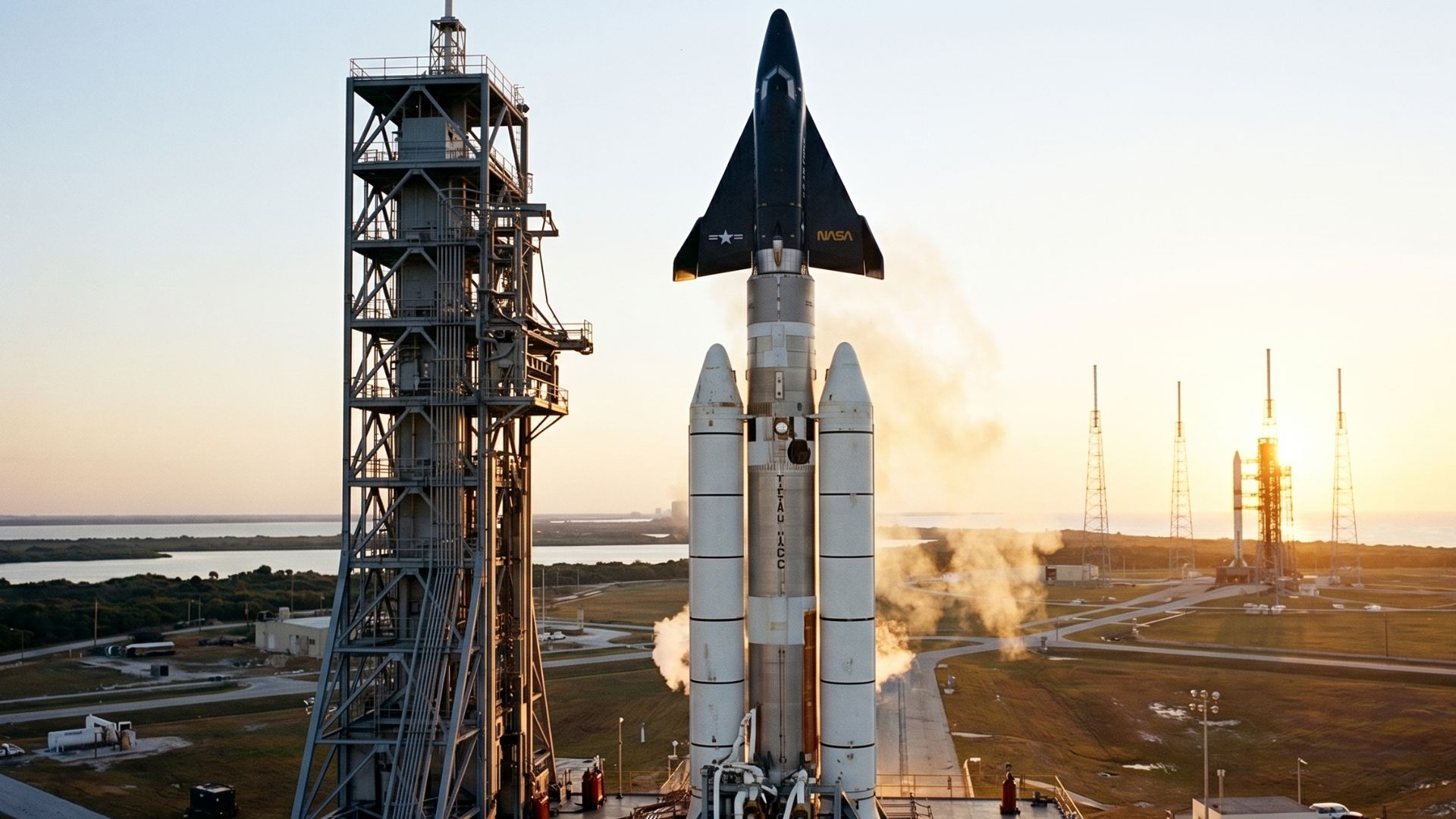
The military spaceplane that almost took the Cold War into orbit: Boeing X-20 Dyna-Soar was designed to re-enter above Mach 20, fly for up to 40 hours, land like a plane, and transform Titan rockets into a gateway to a new era of orbital warfare.

The Secretary highlighted the need for a smarter process to ensure that the best technologies reach combatants quickly, eliminating bureaucratic hurdles and prioritizing systems that genuinely enhance combat effectiveness.
Hegseth reinforced the importance of military readiness, emphasizing that the US Armed Forces must be equipped with the most advanced systems to ensure strategic deterrence.
He also stressed the relevance of the Combatant Commands in maintaining global stability and the need for a responsive and agile force to confront emerging threats.
Transparency and Financial Accountability
In addition to modernizing the forces, Hegseth also highlighted the need for financial accountability within the Department of Defense.
He announced his commitment to conducting a comprehensive audit of the Pentagon, following the example of the Marine Corps, which successfully implemented fiscal transparency measures.
His goal is to eliminate waste and direct resources to programs that truly strengthen national security.
Strategic Investments and Expansion of Military Capabilities
Hegseth’s priorities align with the US defense budget, which calls for substantial investments in advanced military programs.
The F-35 Lightning II remains a pillar of air superiority, receiving updates to enhance its stealth and combat capabilities. The B-21 Raider bomber is advancing towards its operational deployment, bolstering strategic deterrence.
The development of hypersonic weapons, including the Air-Launched Rapid Response Weapon (ARRW), is being accelerated to ensure a technological edge over rival nations.
Other investments include modernizing the naval fleet with Columbia-class submarines, essential for maintaining the triad nuclear capability.
Additionally, there are significant advances in autonomous systems based on artificial intelligence, cyber warfare, and space defense, reflecting the Pentagon’s recognition that future conflicts will transcend traditional battlefields.
Projected Spending and Future Challenges
The defense program for the coming years indicates a continuous increase in acquisition costs for each military branch.
According to projections from the Congressional Budget Office (CBO), the US Army’s acquisition spending is expected to grow 17% in the three years following the Future Years Defense Program (FYDP) period, reaching US$ 45 billion in 2032.
The Navy and the Marine Corps will maintain an average annual acquisition of US$ 107 billion between 2030 and 2039, prioritizing shipbuilding and aircraft replacement.
The Air Force and the Space Force will see a gradual increase in acquisition costs, rising from US$ 96 billion in 2029 to US$ 109 billion in 2039. Investments in space capabilities will grow by 3.4% per year, enabling the expansion of communication satellites, missile warning, and intelligence.
More details at armyrecognition.