Portuguese
  Spanish




Bioinputs Reinforce Sustainability in Brazilian Agribusiness, Uniting Scientific Innovation, Cooperativism, and Public Policies to Boost Low-Carbon and Competitive Agriculture in the Global Scenario
Sustainability in agribusiness has become one of Brazil’s greatest competitive differentials, according to a report published.
At the center of this transformation are bioinputs, which are biological products derived from microorganisms, plants, and minerals that replace or complement chemical inputs in agricultural production.
The theme was highlighted at the 2nd Bioinputs Forum in Agribusiness, held on October 9 in São Paulo, bringing together authorities, researchers, and leaders from the sector.
-
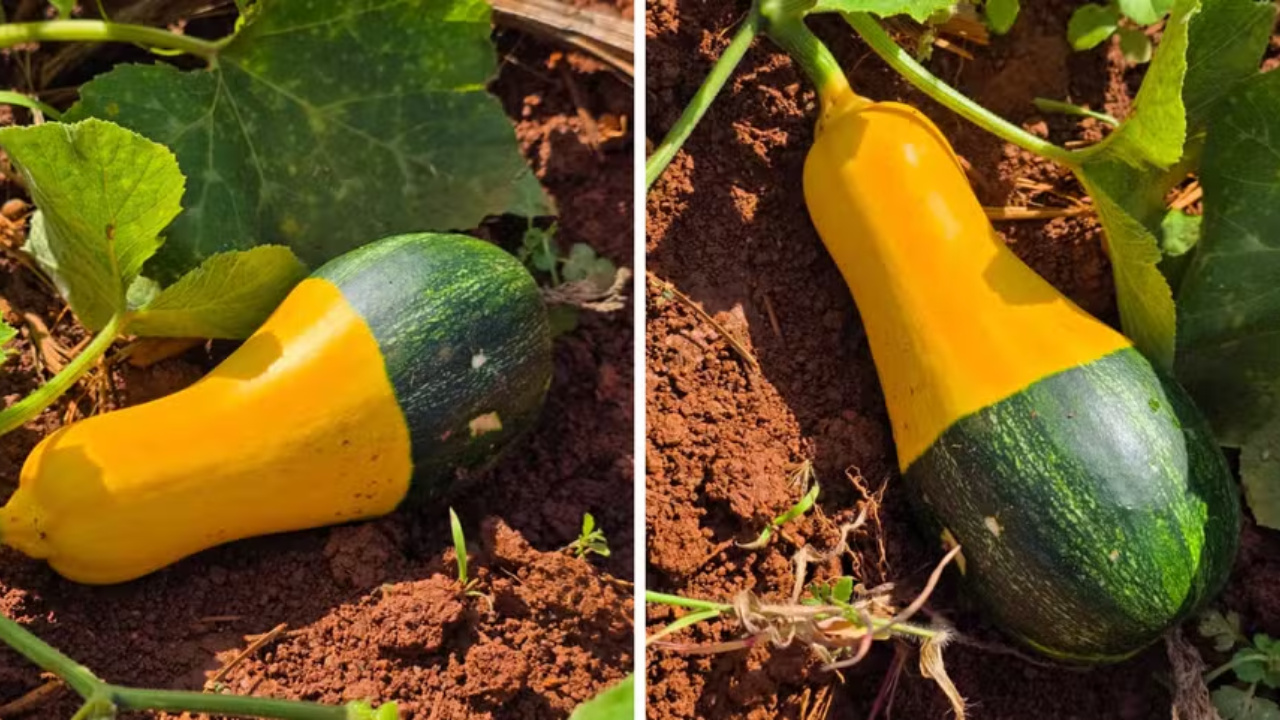
Bicolor Pumpkin Resembling Hand-Painted Art Discovered by Brazilian Researchers in the Capital Due to “Spontaneous Mutation”

-
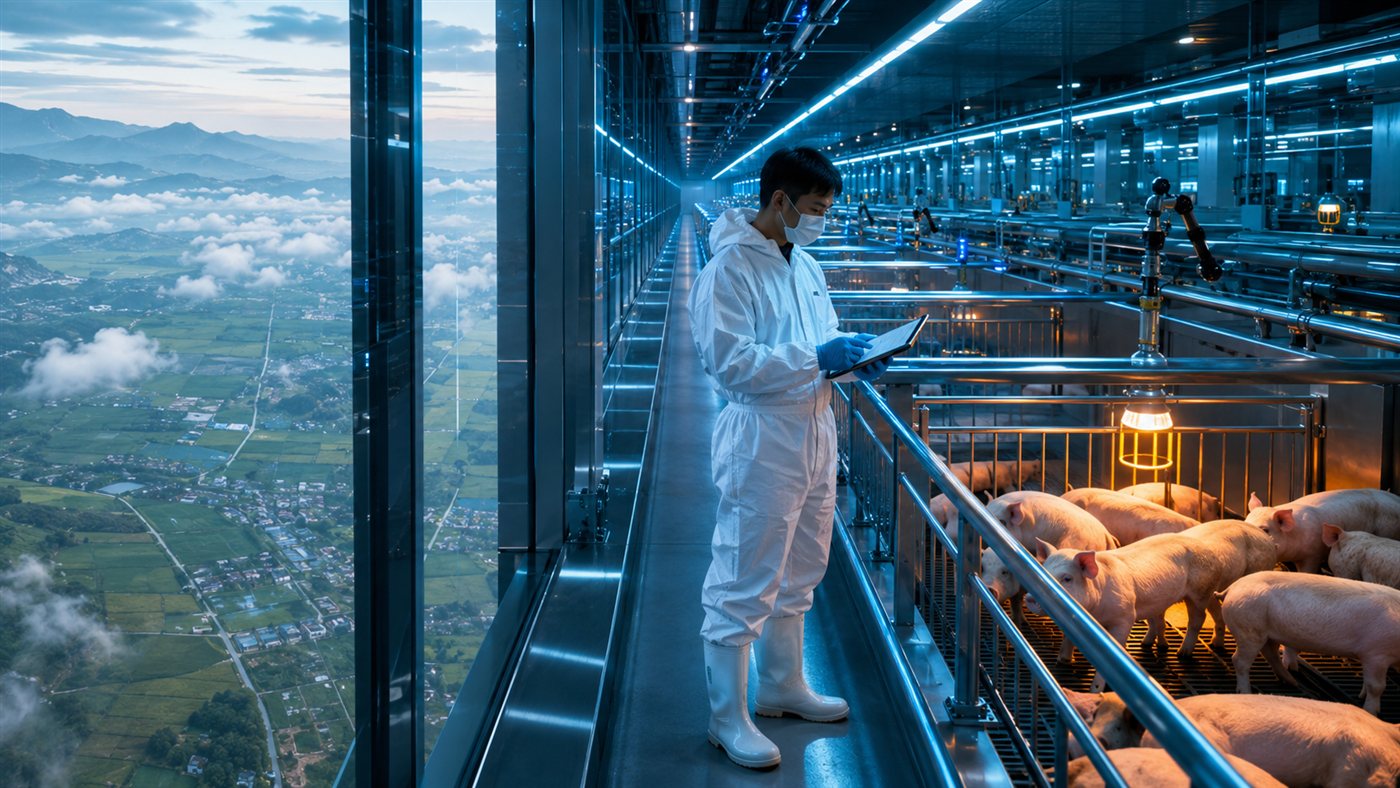
In China, a 26-story building produces 1.2 million pigs annually, revolutionizing livestock farming with tube feeding and AI surveillance.

-
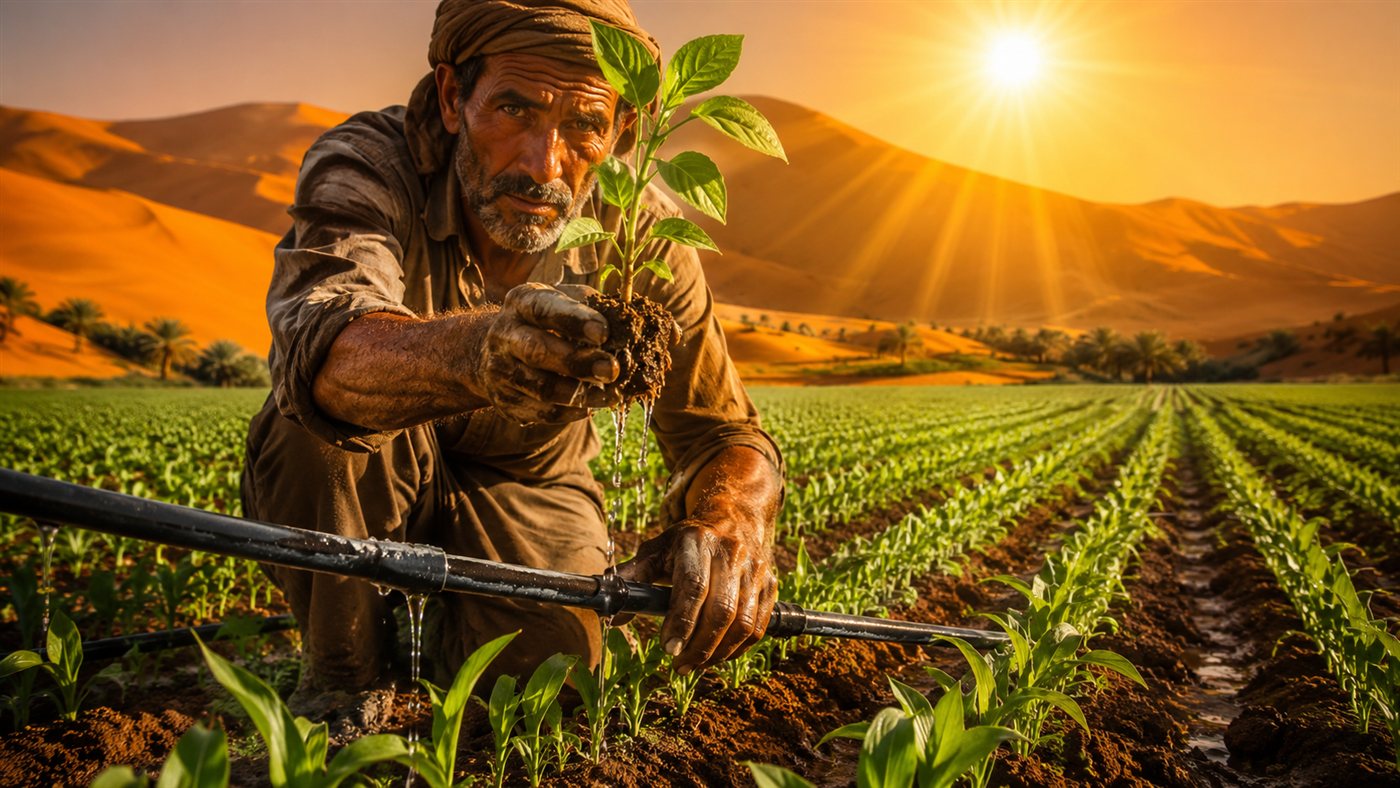
With Nearly 60% Desert, Israel Desalinates Seawater and Recycles 90% of Wastewater to Build a Billion-Dollar Agricultural Powerhouse in Dates and Cotton
-
Cigarette Butts Pollute Brazilian Beaches, Sparking Debate on Coastal Environmental Protection Measures


Promoted by Embrapa, Sistema Ocesp, and Sociedade Rural Brasileira (SRB), the event consolidated the strategic role of bioinputs as pillars of a low-carbon economy, technological innovation, and environmental preservation.
The initiative highlighted that the path to the future of agriculture involves the union of science, efficient regulation, and communication with society, essential factors to strengthen national agribusiness and prepare the country for COP30, which will take place in Brazil in November.
Low-Carbon Agriculture and Scientific Innovation in Advancing Bioinputs
During the forum, experts such as Paula Packer, general director of Embrapa Meio Ambiente, emphasized that bioinputs are essential to accelerate the transition to low-carbon agriculture.
This approach integrates sustainable practices that reduce emissions and increase the efficiency of the use of natural resources.
In the panel “Priorities for Sustainable Development,” names like Eduardo Bastos (IEAg/ABAG) and Rodrigo Mendes (Embrapa Meio Ambiente) highlighted that the advancement of the sector directly depends on increased investments in research and innovation.
Mendes pointed out that basic research is the starting point for discoveries capable of transforming agriculture, opening up space for more accessible and effective biological technologies.
This connection between science and production strengthens sustainability in agribusiness, creating conditions for Brazil to lead a new era of clean and competitive productivity.
Rural Cooperativism and Strategic Communication in Consolidating Bioinputs
The panel on rural cooperativism and sustainable management showed that the union between producers, cooperatives, and institutions is essential to strengthen the bioinput market.
Moderated by Francisco Matturro (Rede ILPF/ABAG), the debate brought together experts such as Matheus Kfouri Marino (Coopercitrus), Marco Vinholi (Sebrae-SP), and Camila Macedo Soares (Biomarketing).
They highlighted that efficient communication is a decisive tool to broaden public awareness of the benefits of bioinputs and consolidate the positive image of sustainable production.
In addition, the training of professionals and the encouragement of innovation in cooperatives have allowed access for small and medium producers to biological solutions previously restricted to large properties.
This integration reinforces sustainability in agribusiness, promoting inclusion, income generation, and strengthening of regional production chains.
Modern Regulation and Brazil’s Strategic Role in the Green Economy Towards Sustainability in Agribusiness
In the discussion on the green economy and regulation of bioinputs, led by Roberto Betancourt (Fiesp), representatives of bodies such as MAPA, Abisolo, and CropLife Brazil pointed out the advances and challenges of the Bioinput Law.
The main goal is to build a modern legal framework aligned with international standards, ensuring legal security and stimulating new investments in the sector.
According to the panelists, regulatory predictability is indispensable to scale production and establish Brazil as a global reference in agricultural sustainability.
According to Professor Roberto Rodrigues (FGV), the country has a unique competitive advantage: favorable climate, abundant biodiversity, and scientific capacity to lead the transition to a greener economy.
This strategic vision reinforces that sustainability in agribusiness is not just a concept, but a concrete path for economic and environmental development, capable of placing Brazil at the forefront of global agriculture.