Portuguese
  Spanish


MME Aims to Flexibilize Thermal Power Plants, with Nine Units Meeting Established Criteria.
The Ministry of Mines and Energy has developed a proposal aimed at reducing the inflexibility of contracted thermal plants in the regulated environment. The purpose is to lower costs and optimize the use of these plants in situations of excess energy supply in the National Interconnected System (SIN).
Understand: Contractual inflexibility refers to the minimum amount that a thermal plant is required to generate, regardless of the need, to comply with the Electricity Trading Contracts in the Regulated Environment (CCEARs) – without requiring centralized authorization from the National Electric System Operator (ONS). The idea of inflexibility is to represent the contractual conditions of the fuel used, which typically has a take-or-pay clause (i.e., payment regardless of consumption).
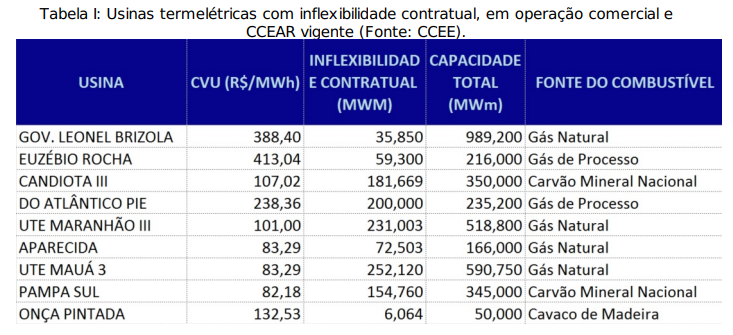
The Ministry of Mines and Energy (MME) has initiated a public consultation lasting 20 days to gather contributions regarding the guidelines of the proposed ordinance. A total of nine contracted plants in the regulated environment are in commercial operation and would be affected by the new rules, making it essential to consider all aspects before implementation.
-
The first large-scale ethanol-powered thermoelectric plant is born in Pernambuco, surprising the energy sector and potentially opening a new phase for biofuels in Brazil.

-
Acelen advances with megabiorefinery in Bahia with a R$ 503 million investment released by BNDES and boosts the production of sustainable fuels with advanced technology capable of transforming vegetable oil and waste into green diesel and low-emission aviation fuel.

-
Petrobras announces RNEST’s historic milestone in April after the refinery reached record diesel production and strengthened the national fuel supply.
-
Petrobras Expands Refining in Brazil, Increases Production of Diesel S-10 and Gasoline, Enhances Operational Efficiency, and Reduces Import Dependence Between 2023 and 2025

Reconciliation of Interests in the Energy Sector
The Ministry of Mines and Energy emphasizes in a technical document that the goal is to find a balance between the interests of the electric system as a whole and the interests of industry companies.
When there is an excess of energy supply generated by renewable sources, energy producers contracted for availability may request a reduction in the inflexibility of their contract for a determined period, which consequently affects the revenue of the contract in the regulated environment.
On the other hand, the generator will have the freedom to negotiate or allocate the fuel that would have originally been used in the operation of the plant, without compromising its availability to meet the National Interconnected System in the event of a dispatch from the National Electric System Operator in response to a systemic need. This will allow the agent to generate revenue from fuel commercialization and provide greater flexibility in managing portfolios. In the case of natural gas, this flexibility could even help increase market liquidity and potentially enable the emergence of a secondary market in the future.
The reduction of inflexibility in the Short-Term Market provides advantages for the distributors that contracted the plant, allowing them to acquire less energy, resulting in financial savings.
Furthermore, consumers of these distributors will stop paying part of the fixed revenue of the thermal plants in the regulated contract. They will also be protected from increases in the PLD, ensuring there will be no financial overload compared to the normal contractual situation.
The amount to be defined for the export of energy will be based on the reduction of the payment of the Fixed Revenue associated with the contracts, expressed in R$/MWh. Moreover, the maximum period for this export will be limited to two months.
The export process will be mediated and operationalized by the ONS and the Electric Energy Trading Chamber (CCEE), under the supervision of the Electric Sector Monitoring Committee (CMSE), in accordance with the rules established based on the proposed ordinance guidelines.
Optimization of Energy Generation Poses Challenges to the National Interconnected System
The Ministry of Mines and Energy (MME) highlights in a technical statement that the National Interconnected System (SIN) is facing, this year, a significant increase in energy availability, primarily due to the favorable levels of the reservoirs of hydropower plants and the increase in renewable energy generation, such as wind and solar. In this context, thermal plants may continue to generate energy even when it is not needed in the system as a whole.
MME emphasizes that the presence of energy surpluses may increase competition among different energy sources and hinder the full allocation of available energy to meet system demand.
The ministry stresses that the inflexibility of thermal generation can trigger wasted spillages in hydroelectric plants, restrictions in the distribution of energy from wind and solar plants, resulting in inefficiency for the National Interconnected System (SIN). This is especially concerning considering that the operating costs of thermal plants are higher than those of renewable energies.
The objective is to prevent thermal plants from generating electricity inflexibly due to contractual restrictions in situations where the electric system is adequately supplied by more economical sources. This could result in excess electricity generated by these thermal plants.
Source: EPBR Agency